Things to do in Soleminis
Things to do in Soleminis, Sardinia: San Giacomo church, prehistoric tombs, Monte Arrubiu pine forest, wine and oil, festivals and day trips.
We are gathering the first experiences for this area. Check back soon, or tell us about an operator you know.
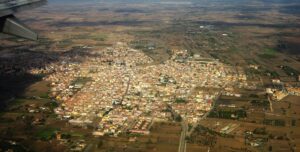
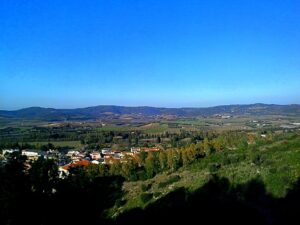
Soleminis is a small farming village in the Parteolla area, about 20 km from Cagliari, sitting at around 200 metres between the Campidano plain and the first slopes of Monte Serpeddì. Surrounded by vineyards, olive groves and wheat fields, it's a quiet place where life still follows the rhythm of the countryside and its festivals. It suits travellers looking for nature close to the city, genuine traditions and good local produce.
What to see in Soleminis
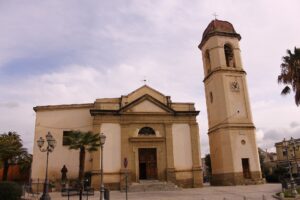
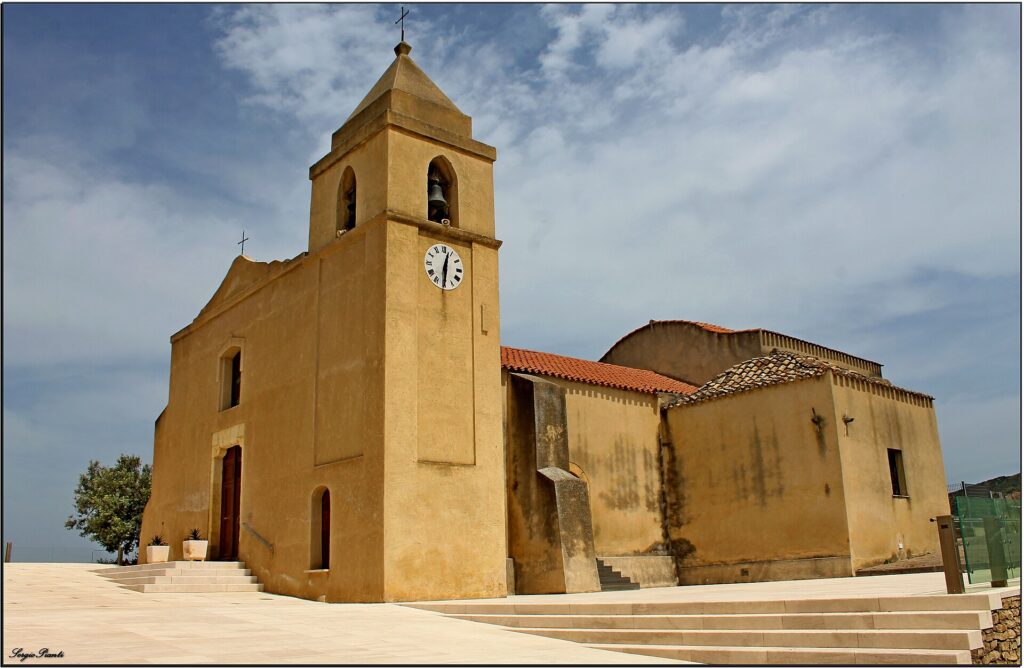
Parish church of San Giacomo apostolo
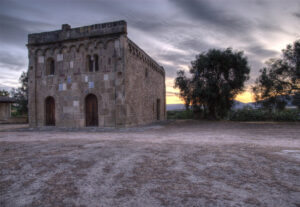
It stands at Sedd'e Cresia, one of the highest points in the village. Built in the 17th century in late Gothic style, it has a single nave with a wooden truss roof. Inside are silver church treasures, two paintings (one attributed to Sebastiano Scaleta), a wooden crucifix and an 18th-century statue of the patron saint. It's a stop on the Cammino di Santu Jacu, Sardinia's pilgrim route dedicated to St James.
Casa Corda Spada and the old centre
The centre keeps traditional rural houses built of mud bricks. Casa Corda Spada, now a cultural centre, houses an ethnographic collection on farming life.
Archaeological sites
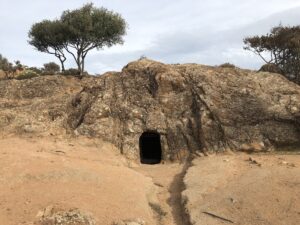
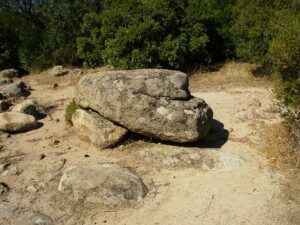
Human presence dates back to the Neolithic at Facc'e Idda, Is Calitas and Cuccuru Cresia Arta. The rock-cut tomb, or domu de janas, of s'Acqua 'e is Dolus dates from between 3500 and 2700 BC.
Things to do in Soleminis
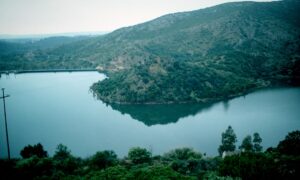
Part of the territory lies within the state forest of Monte Arrubiu park, where the sa Pira pine wood, with its Aleppo pines, is ideal for walks, picnics and mountain biking. You can hike a stretch of the Cammino di Santu Jacu, or wander among the vineyards and olive groves of the Parteolla, a land of wine and oil. You'll find the experiences offered by local operators just below.
History
Inhabited since prehistory, the village first appears in records in the 11th century, within the Parteolla district of the Giudicato (medieval kingdom) of Cagliari. After 1258 it passed to Arborea, then to Pisa; under the Aragonese it became a fief and by the 15th century it was deserted. In 1637 Francesco Vico bought the land, took the title of Marquis of Soleminis and began resettling it, a revival slowed by the plague of 1652. In 1839, with the end of feudalism, Soleminis became a municipality.
Food and local products
The village is known for its bread, honey and aromatic herbs. Vines are the main crop, followed by olives: the Parteolla produces excellent wines and olive oils, perfect to take home.
Festivals and traditions
- Sant'Antonio abate: mid-January bonfires, with oranges, mandarins, bread and wine handed out.
- Sant'Isidoro: late May, feast of the farmers' patron saint with horse riders, costumed groups and traccas (decorated ox carts), linked to the broad bean festival.
- San Giacomo and Sant'Anna: late July, the patron saints' feast.
Nearby
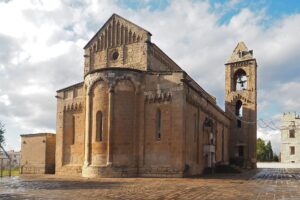
- Dolianova: the Romanesque cathedral of San Pantaleo, a few minutes away.
- Serdiana: the church of Santa Maria di Sibiola and its wineries.
- Burcei and the Sette Fratelli park: forests and hiking.
- Cagliari: museums, historic quarters and Poetto beach.
Getting there and when to go
From Cagliari take the SS 387, about 25 minutes by car; Cagliari-Elmas airport and the port of Cagliari are the closest gateways. The village has a stop on the Cagliari-Isili railway. Spring and autumn are ideal for walking; late May and late July for the festivals.
FAQ
How long do I need for Soleminis?
Half a day for the village and the pine wood; pair it with Dolianova and Serdiana for a day of Romanesque churches and wineries.
Is Soleminis good for families?
Yes: the Monte Arrubiu pine wood is quiet and equipped, perfect for a picnic with kids.
Where's the nearest beach?
Poetto in Cagliari, about half an hour's drive.