Things to do in Ussana
Things to see in Ussana, Sardinia: the Romanesque church of San Saturnino, a Roman sarcophagus, 4th-century baths and mud-brick houses near Cagliari.
We are gathering the first experiences for this area. Check back soon, or tell us about an operator you know.
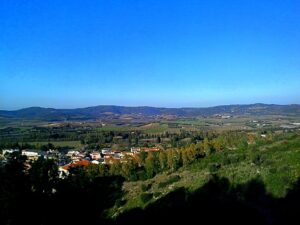
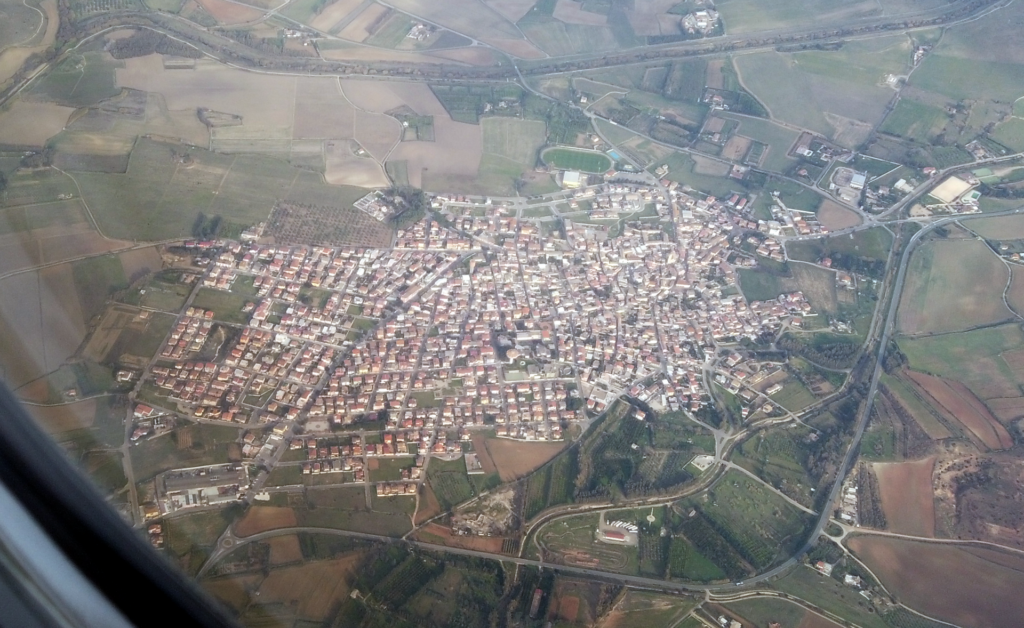
Ussana is a farming town on the Campidano plain, on the edge of the Parteolla hills, about 25 km from Cagliari. There's no sea and no crowds, but it hides a few surprises: a 12th-century Romanesque church built with recycled Roman columns, a finely carved marble sarcophagus and the remains of Roman baths. It's a good pick if you like archaeology, traditional mud-brick houses and easy outings close to Cagliari.
What to see in Ussana
Church of San Saturnino
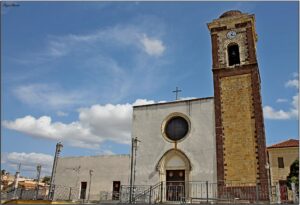
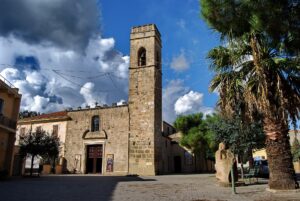
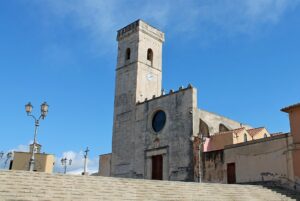
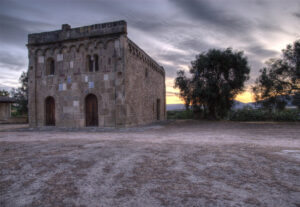
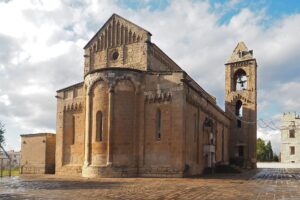
Set on a low hill inside the town, this is Ussana's most interesting monument. Built in the early 12th century, it has two naves divided by arches resting on Roman columns, including two Corinthian capitals from the 1st century AD. In the 18th century the church was turned around, so its old back became the façade. Inside you'll find a 3rd-century AD Roman marble sarcophagus, richly carved for a young patrician and discovered by chance during farm work.
San Sebastiano and San Lorenzo
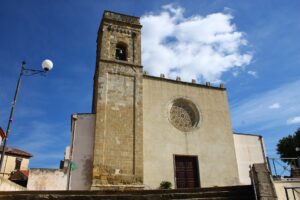
The parish church of San Sebastiano, dedicated to the patron saint, has Baroque forms over an older structure. The small church of San Lorenzo was built with stone taken from the nearby Roman baths.
Roman baths
Found in 1949 and dating from the 4th century AD, they still show cold and hot bathing rooms, heating areas and a sweat room (laconicum), probably serving a country villa.
Campidanese houses and Baratuli castle
In the old centre you can still see houses built of ladiri (mud-and-straw bricks) with a lolla, a portico opening onto the courtyard. On Monte Olladiri, on the border with Monastir, stand the ruins of Baratuli castle, built in the 12th century by the judges of Cagliari.
Things to do in Ussana
The flat countryside and the low hills of Monte Zara and Monte Agutzu are perfect for bike rides among vineyards and wheat fields, or a short walk up to the Baratuli ruins. Ussana also makes a quiet base for exploring Cagliari and the wineries of the Parteolla. Scroll down to discover the experiences offered by local operators.
History
The countryside was already inhabited in the Neolithic. The Romans built villas and baths here. In the Middle Ages the village belonged to the Giudicato (Sardinian kingdom) of Cagliari; after 1258 it passed to the Pisan Della Gherardesca family, then to the Aragonese, who made it a barony in 1324. After several feudal owners, Ussana bought its freedom in 1839 when feudalism was abolished.
Food and local products
Vines, which also appear on the town's coat of arms, matter a great deal to the local economy. Try the wines of the Campidano and Parteolla, homemade bread, sheep's cheese and the almond sweets typical of southern Sardinia.
Festivals and traditions
The patron saint is San Sebastiano (Saint Sebastian), to whom the parish church is dedicated. As across the Campidano, religious feasts come with processions, traditional costumes and singing in Sardinian.
Nearby
- Monastir, with Monte Zara and its prehistoric remains.
- Donori, among hills, vineyards and country churches.
- Dolianova, with the Romanesque cathedral of San Pantaleo.
- Serdiana, with Santa Maria di Sibiola and Parteolla wineries.
- Cagliari, with the Castello quarter and Poetto beach.
Getting there and when to go
The nearest airport is Cagliari-Elmas, about 25 minutes by car; Cagliari port is close too. Take the SS 131, exit towards Monastir and follow the SS 466. Spring and autumn are ideal, with mild weather and green or harvest-time countryside; in summer, pair your visit with a beach day in Cagliari.
FAQ
How long do I need to visit Ussana?
Half a day covers San Saturnino, the Roman baths and the centre; add Donori or Serdiana for a full day.
Is Ussana by the sea?
No, it's inland. The nearest beaches are in Cagliari and Quartu, about 30 minutes away by car.
Is Ussana good for families?
Yes: short distances, quiet streets and open-air sites make it an easy trip with children.