Things to do in Pula
Things to do in Pula, Sardinia: the seaside ruins of Nora, Santa Margherita beaches, forests, windsurfing, festivals and practical travel tips.
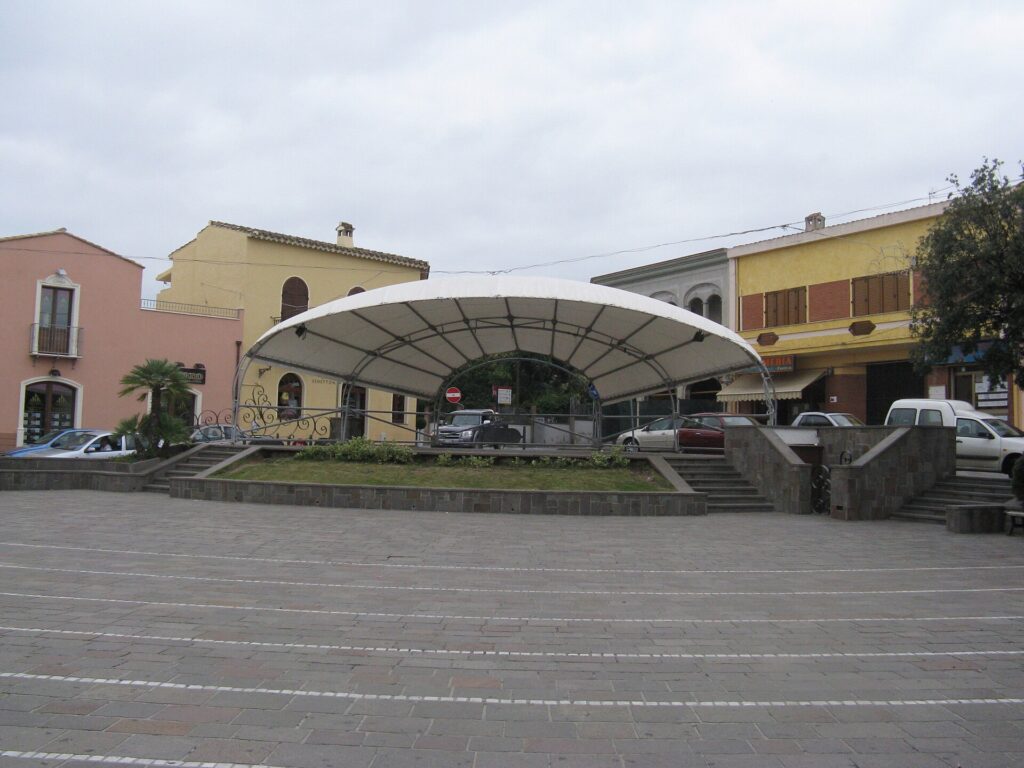
We are gathering the first experiences for this area. Check back soon, or tell us about an operator you know.
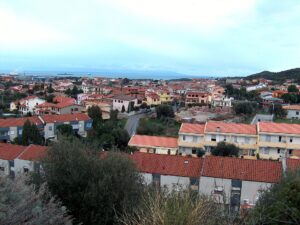
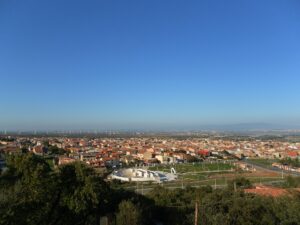
Pula lies on the south-western coast of Sardinia, about 35 km from Cagliari, between the sea of the gulf and the green mountains of the Sulcis. It is home to Nora, one of the most evocative ancient cities in the Mediterranean, built on a small peninsula reaching out into the sea, but also to pale sandy beaches, fragrant pine woods and lagoons full of water birds. The town, lively in summer, makes an easy base for mixing archaeology, beach days and nature. It suits families, history lovers, wind-sports fans and anyone who wants a relaxed holiday a short drive from the airport.
What to see in Pula
Nora archaeological park
Founded by the Phoenicians around the 8th century BC, probably over an earlier Nuragic settlement (the Nuragic civilisation built Sardinia's Bronze Age stone towers), Nora later became a Punic and then a Roman city, and for a time was one of the most important towns of the province. Walking across the headland you'll see the Roman theatre, still used for summer shows, seafront baths with their mosaics, the forum, paved streets, wealthy houses and the remains of Punic and Roman temples. Part of the city now lies underwater, and on clear days you can make out structures beneath the surface. The famous Nora Stone, one of the oldest Phoenician inscriptions in the western Mediterranean, was found here and is now in the National Archaeological Museum in Cagliari.
Church of Sant'Efisio
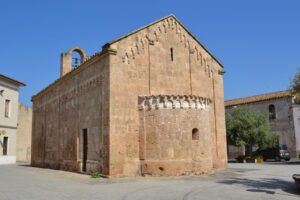
Right by the excavations and the beach stands the small Romanesque church of Sant'Efisio (Saint Ephysius), dating from the 12th century and traditionally built where the saint was martyred. It is the final destination of the great procession that sets off from Cagliari every year at the start of May.
The town and the Giovanni Patroni Museum
In town, stop at the 19th-century church of San Giovanni Battista on piazza Giovanni XXIII, the church of San Raimondo Nonnato, linked to the old Mercedarian friary, and the elegant Villa Santa Maria, designed in the early 1800s by architect Gaetano Cima. On corso Vittorio Emanuele, the Giovanni Patroni Archaeological Museum displays finds from Nora: pottery, amphorae, jewellery and grave goods that bring the ancient city to life. Visiting it before or after the site makes the experience much richer.
Coastal towers and viewpoints
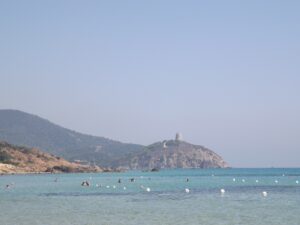
The coast is dotted with Spanish watchtowers built against Barbary pirate raids: Torre del Coltellazzo on the headland closing Nora bay, the tower at Cala d'Ostia and the one on the islet of San Macario. Sunset over the Nora lagoon, with flamingos and herons wading in the shallows, is one of the best moments of the day.
Things to do in Pula
Pula is made for an active holiday. The sea is great for snorkelling and diving, especially around Nora and the rocky seabed of Capo Pula, while Su Guventeddu beach is one of southern Sardinia's top spots for windsurfing and kitesurfing, even in winter when the wind is right. By boat or kayak you can follow the coast towards Santa Margherita and Chia, discovering coves that are hard to reach on foot.
Behind the town lie the forests of Pixinamanna and Is Cannoneris, among the largest holm-oak woods in Sardinia, where trails follow springs, streams and old mule tracks and you may spot Sardinian red deer and fallow deer. They're ideal for hiking, mountain biking and horse riding. Golfers will find well-known courses nearby, while culture lovers can pair a guided tour of Nora with an evening of theatre or music in the Roman theatre. Further down this page you'll find the experiences offered by local operators in Pula: pick the one that suits you and book it directly.
Beaches in Pula
Nora
Nora's golden beach opens next to the ruins and the little church of Sant'Efisio, sheltered by the Coltellazzo headland. Shallow water makes it good for children, and swimming with ancient ruins as a backdrop is unforgettable.
Su Guventeddu
East of Nora, this wide, wind-exposed beach is loved by surfers, windsurfers and kiters. On calm days it's also pleasant for a quiet beach day.
Santa Margherita di Pula
West of town, the village of Santa Margherita is a long chain of pale sandy beaches backed by a large pine forest: Cala Marina, Cala Bernardini, Cala d'Ostia and Cala Verde, which has a small marina. Pine shade and gently shelving water make it perfect for families. A few kilometres further south-west, the beaches of Chia begin.
History
The area was already inhabited in the Nuragic age. In the 8th century BC the Phoenicians founded Nora, which became a Punic city and, after the Roman conquest, a prosperous municipality linked by roads to the rest of the island. As the Empire fell, raids by Vandals and later Saracens led to the city's gradual abandonment around the 8th century AD. In the Middle Ages the nearby village, called Padulis de Nura, belonged to the Judicate of Cagliari, then passed to the Della Gherardesca family, to Pisa and, from 1324, to the Crown of Aragon. Under Spanish rule the fief joined the county of Quirra; plague in 1652 and pirate attacks emptied the area again. In the 18th century Mercedarian friars and new families of farmers and shepherds revived the village. The fief was bought out in 1839 and Pula became a municipality; since the second half of the 20th century tourism, and more recently a technology park, have reshaped its economy.
What to eat and buy
Pula's cooking blends the sea with the farmland of the Campidano plain. Try fregola (toasted semolina pearls) with clams, malloreddus (small Sardinian gnocchi) with sausage sauce, fresh grilled fish and, on feast days, roast porceddu (suckling pig). Typical southern sweets include ricotta pardulas and soft amaretti. To take home: local wines such as Vermentino and Carignano from the nearby Sulcis, Mediterranean scrub honey, pecorino cheese, bottarga and traditional Sardinian woven baskets.
Festivals and traditions
The most heartfelt event is the feast of Sant'Efisio: the saint's statue leaves Cagliari on 1 May and, after a walk of several days escorted by pilgrims, decorated ox carts (traccas) and riders, reaches the little church at Nora around 3 May, welcomed by the whole town, before returning to Cagliari. It's a wonderful chance to see traditional costumes up close and hear religious songs in Sardinian. In summer, Nora's Roman theatre has hosted a festival of music, theatre and poetry for many years, and the town squares fill with evening events.
Nearby
- Chia (Domus de Maria): dunes, ancient junipers and some of the island's finest beaches, about 20 minutes' drive.
- Costa del Sud: the scenic coast road between Capo Spartivento and Teulada, with Tuerredda beach.
- Cagliari: the Castello quarter, Poetto beach and the National Archaeological Museum, about 40 minutes away.
- Gutturu Mannu park and Monte Arcosu reserve: vast forests and mountains behind the coast for nature walks.
Getting there and when to go
The nearest airport is Cagliari-Elmas, about 40 minutes by car; Cagliari port, with ferries from mainland Italy, is a similar distance away. From Cagliari follow the SS195 Sulcitana road south-west. There are buses, but a car is best for exploring beaches and forests. The best time is May to October: May brings the Sant'Efisio feast and wildflowers, June and September offer warm sea and fewer crowds, and July and August are the liveliest months. In winter the mild climate is perfect for visiting Nora, hiking in the forests and windsurfing.
Frequently asked questions
How many days do you need in Pula?
Two days cover Nora, the museum and a beach day; with 4–5 days you can add Chia, the Costa del Sud, a forest hike and a boat trip.
Is Pula good for families?
Yes: the beaches at Nora and Santa Margherita have shallow water and pine shade, and visiting Nora is a fun way to get children interested in history.
Can you swim near the ruins of Nora?
Yes, Nora beach lies right next to the archaeological area and the church of Sant'Efisio.