Things to do in Settimo San Pietro
Things to do in Settimo San Pietro, Sardinia: the Cuccuru Nuraxi Nuragic complex, the Arca del Tempo museum, old churches and local feasts.
We are gathering the first experiences for this area. Check back soon, or tell us about an operator you know.
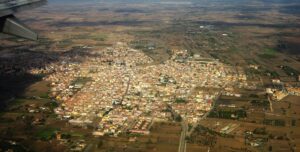
Settimo San Pietro is a farming village of about 7,000 people at the southern end of the fertile Campidano plain, some 12 km from Cagliari. Its name tells its story: it was the Roman station seven miles from the city. Today it's best known for the Nuragic complex of Cuccuru Nuraxi and for a multimedia museum designed to bring archaeology to life, even for children. It's a great stop for families and ancient-history fans.
What to see in Settimo San Pietro
Cuccuru Nuraxi Nuragic complex
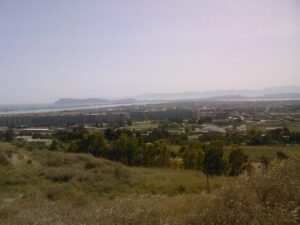
On the hill of the same name stands a Bronze Age complex with a three-tower nuraghe and a well temple, devoted to the cult of water. From the top the view sweeps across the plain to Cagliari.
Arca del Tempo
At the foot of the hill, the multimedia museum Arca del Tempo («Ark of Time») takes you from Neolithic settlements to the history of Cagliari and its land, with an archaeology lab, a play-and-learn area and an archaeologists' garden.
S'Acqua 'e is Dolus domus de janas
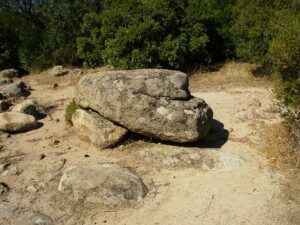
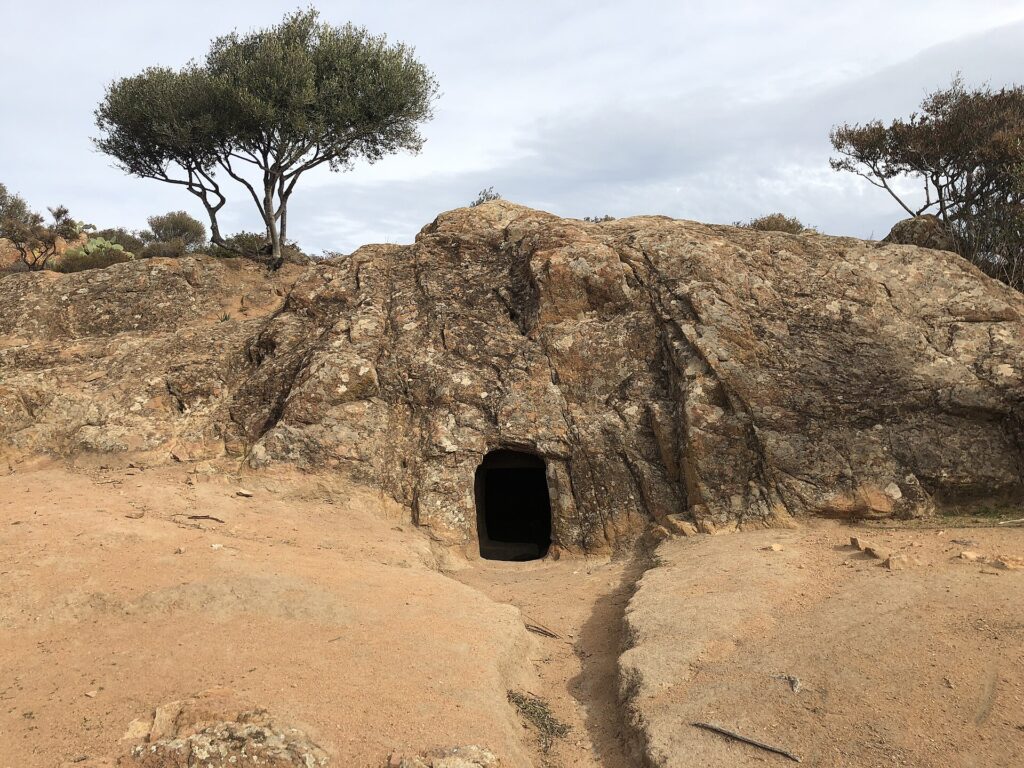
In the countryside you'll find this rock-cut prehistoric tomb, a domus de janas (fairy house), as Sardinians call their Neolithic burial chambers.
Churches
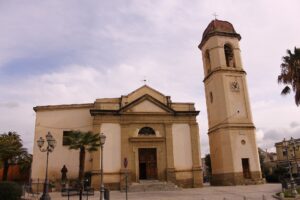
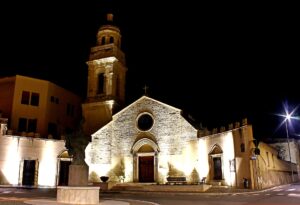
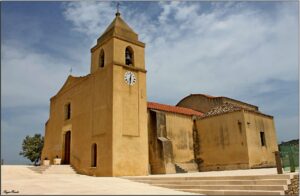
- San Pietro, the parish church on a late-Gothic plan, with five chapels and an inscription dating it and the bell tower to 1627.
- San Giovanni Battista, a small Romanesque church in the centre.
- San Pietro in Vincoli, a country church among olive and pine trees.
Things to do in Settimo San Pietro
A visit to Cuccuru Nuraxi and the Arca del Tempo makes a lovely morning, especially with kids. Spend the rest of your time strolling the centre among ladiri (mud-brick) houses, or cycling through the vineyards and almond groves of the plain. The village is also a good starting point for outings to the Parteolla hills and the Sette Fratelli woods. Discover the experiences offered by local operators below: guided visits, excursions and outdoor activities.
History
The first human traces date from the Neolithic; Nuragic civilisation flourished in the Bronze Age. In Roman times the village was a mansio, a staging post on the road inland from Cagliari, and its name comes from Septimo ab urbe lapide, «at the seventh milestone from the city»; a Roman aqueduct was found here in 1880. In the Middle Ages it belonged to the Giudicato of Cagliari, then to Pisa and Aragon; part of the County of Quirra, it bought its freedom in 1839.
Food and shopping
The economy is mainly agricultural: vineyards and almond groves provide wine, almonds and traditional sweets, alongside Campidano home cooking such as ravioli, malloreddus and homemade bread.
Festivals and traditions
The feast of the patron San Pietro, at the end of summer, is one of the most heartfelt in the area: a procession around the country church, open-air Mass under the trees and the saint's return to the village with the band and folk groups.
Nearby
- Sinnai and Maracalagonis, for crafts and mountains.
- Monserrato and the Trenino Verde.
- Selargius and its old town.
- Cagliari, about 20 minutes away.
Getting there and when to go
Cagliari-Elmas airport and Cagliari port are about 20-25 minutes by car. Settimo San Pietro is linked to Cagliari by light rail and buses. Spring and autumn are perfect for outdoor visits; late summer for the San Pietro feast.
FAQ
Is Settimo San Pietro good for families?
Yes, the Arca del Tempo and the Nuragic village are designed with children in mind.
How long do I need?
Half a day covers Cuccuru Nuraxi, the museum and the centre.
Why is it called Settimo?
Because it lay seven Roman miles from Cagliari.