Things to do in Meana Sardo
Things to do in Meana Sardo, Sardinia: the Nolza nuraghe, San Bartolomeo church, hikes, Mandrolisai wine, Domos Antigas and festivals.
We are gathering the first experiences for this area. Check back soon, or tell us about an operator you know.
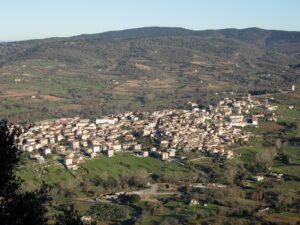
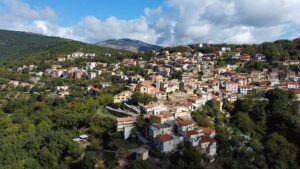
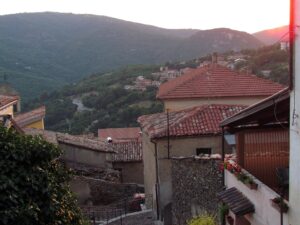
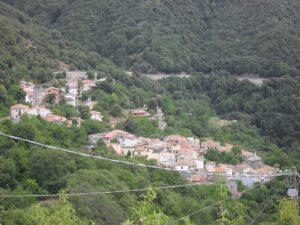
Meana Sardo is a farming and shepherding village in the Barbagia di Belvì, at the foot of Monte Sant'Elia on the south-western edge of the Gennargentu. Its name comes from the Latin mediana: it stood halfway along a Roman road between Cagliari and Olbia. Its gem is the Nolza nuraghe, one of the most interesting Nuragic complexes in central Sardinia. Come here for archaeology, vineyard-covered hills and genuine village festivals.
What to see in Meana Sardo
Nolza nuraghe
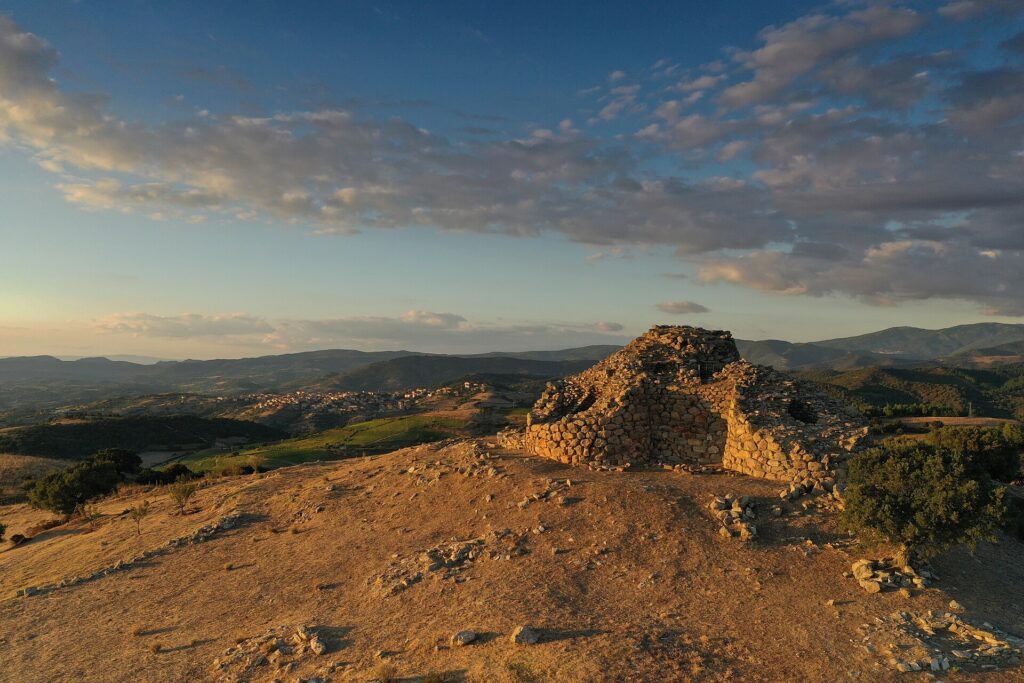
About 6 km from the village, on the su Pranu plateau at over 700 metres, this is a four-lobed nuraghe: four corner towers joined by bastions around a central tower that still stands about 13 metres high. A village of roughly two and a half hectares surrounds it. It was built in phases between the 16th and 13th centuries BC and studied by archaeologist Giovanni Lilliu. The nuraghe also appears on the town's coat of arms.
Maria Incantada and the smaller nuraghi
The Maria Incantada area also has a giants' tomb. Around Nolza stand several smaller nuraghi, such as Su Nuraxi, Mantutzus and Crecos.
Church of San Bartolomeo
The parish church is recorded as early as 1341; the present three-aisled building bears the date 1589 on its portal and blends Gothic-Aragonese and Renaissance forms. The bell tower was begun in 1653.
Other churches
San Salvatore, of 15th-century origin; the tiny church of Sant'Antonio; San Francesco, from the early 1900s; and the country church of San Lussorio on a hill to the north-east.
Things to do in Meana Sardo
Walk between Bruncu Sant'Elia, Funtana Casida and the Ortuabis and su Melone woods, passing is pinnazzus, old stone shepherd shelters. A visit to Nolza pairs well with a day among the vineyards and wineries of the Mandrolisai. For guided hikes, archaeological tours and tastings, see what local operators offer below.
History
The area was inhabited in Nuragic and Roman times, when it lay on the road from Cagliari to Olbia. In the Middle Ages it headed the district of Barbagia di Meana in the Judicate of Arborea; after 1420 it passed to the Marquisate of Oristano, then to the Aragonese and finally to the county of Santa Sofia. It was freed from feudal rule in 1839.
What to eat and buy
Meana is a land of pecorino and sheep-and-goat cheeses, wine and traditional sweets. The best local produce turns up during festivals and the Domos Antigas days.
Festivals and traditions
- Sant'Antonio abate and San Sebastiano, mid and late January, with bonfires (su fogadone), sweets and the new wine.
- San Giovanni, late June, with a cheese festival.
- San Bartolomeo, the patron saint, late August, over three days.
- Domos Antigas, early October, part of Autunno in Barbagia: courtyards, old houses and cellars (is magasinus) open to visitors.
Nearby
- Atzara, village of wine and painting.
- Belvì and Aritzo, among woods and chestnut trees.
- Laconi, with the Aymerich park.
- Sorgono and the sanctuary of San Mauro.
Getting there and when to go
It's about an hour and three quarters by car from Cagliari-Elmas airport and a little over an hour from Oristano. The village has a station on the Mandas–Sorgono Trenino Verde line, which runs mainly in summer. Spring and autumn are best for walking; October combines mild weather with Domos Antigas.
FAQ
Where is the Nolza nuraghe?
On the su Pranu plateau, about 6 km from the village, reachable by car and then on foot.
How long should I spend in Meana Sardo?
Half a day for Nolza and the village; a full day if you add a winery or a woodland walk.
Is Meana Sardo good for families?
Yes: the nuraghe is a great open-air history lesson and village festivals welcome everyone.