Things to do in Onanì
Onanì, Sardinia: the Romanesque church of San Pietro, the Santu Pedru nuraghe, murals, hikes towards Mont'Albo, local food and festivals.
We are gathering the first experiences for this area. Check back soon, or tell us about an operator you know.
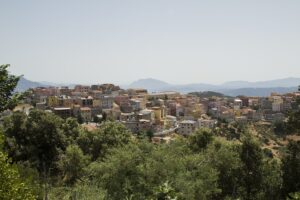
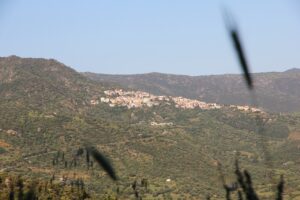
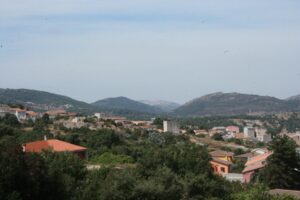
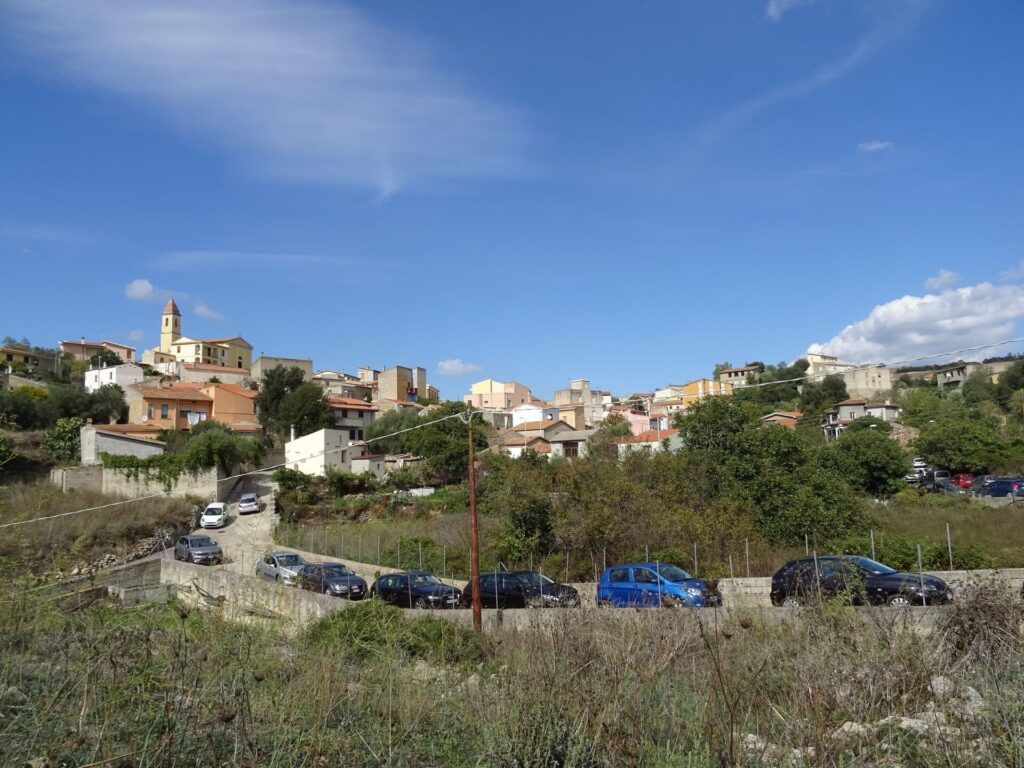
Onanì is a small village in the Barbagia di Bitti, with fewer than 400 residents, at about 500 m between Bitti and Lula, at the foot of the Mont'Albo range. Part of the Borghi Autentici d'Italia network, it is surrounded by hills of downy oak and Mediterranean scrub and holds one of the most evocative Romanesque churches in the Nuoro area. Ideal if you are looking for silence, nature, archaeology and traditional shepherd life.
What to see in Onanì
San Pietro and the Santu Pedru nuraghe
The church of San Pietro apostolo, a Romanesque gem in granite and schist built between the late 11th and 12th centuries, stands in a panoramic spot and is the village's symbol, even appearing on its coat of arms. Almost touching the church is the Santu Pedru nuraghe: the Bronze Age and the Middle Ages just a few metres apart.
Other churches and the murals
In the village you can visit the 16th-century Gothic church of the Madonna di Loreto and the 19th-century parish church of the Sacro Cuore. In the countryside are the chapels of Sant'Elena and Santi Cosma e Damiano and the sanctuaries of San Bachisio and San Francesco. On the walls of the centre, murals by painter Pietro Asproni and students of Milan's Brera Academy depict rural life.
Archaeology
The area is rich in remains: many nuraghi, the giants' tombs of San Bachisio and Tanca Pettorale, the sacred well of Muros d'Avria and the domus de janas (rock-cut tombs) of Sorastru and Nuragheddu.
Things to do in Onanì
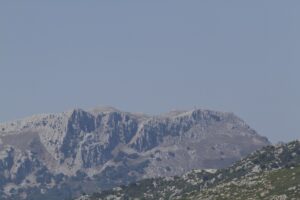
The hills and pastures of the riu Mannu valley are perfect for hiking, mountain biking or horse riding. The golden eagle nests on the nearby Mamone uplands, and Mont'Albo, with its limestone cliffs, offers unforgettable trekking routes. Browse the experiences offered by local operators below and book your day in this unspoilt corner of Sardinia.
History
Rock-cut tombs, giants' tombs and nuraghi tell of a long human presence. In the Middle Ages Onanì belonged to the Giudicato of Gallura, in the district of Barbagia di Bitti; it then passed to Arborea and, in 1478, to the Aragonese. In 1617 it joined the Marquisate of Orani and in 1839 it was freed from feudal rule. Emigration greatly reduced the population in the 20th century, yet the village keeps very old customs alive.
What to eat and buy
Sheep farming is the main activity: try pane carasau crispbread with pecorino from local farms and other traditional breads. Local craftspeople work wood and iron.
Festivals and traditions
- San Bachisio, mid-May, at the country sanctuary.
- San Francesco, mid-October.
- Autunno in Barbagia, when the village opens its doors and shares its produce.
Nearby
- Bitti, with the Nuragic sanctuary of Su Romanzesu and the canto a tenore museum.
- Lula and Mont'Albo.
- Orune and the sacred spring of Su Tempiesu.
- The Siniscola coast, for a beach day.
Getting there and when to go
Olbia airport and port are about an hour away by car along the SS 131 DCN; from Nuoro it takes about 45 minutes. Spring and autumn are the best seasons for walking among the hills and woods.
FAQ
How long do you need for Onanì?
Half a day for San Pietro, the nuraghe and the village; a full day if you add a hike.
Is Onanì near the sea?
No, it is inland, but the beaches of the Siniscola coast are less than an hour's drive away.
Is Onanì good for families?
Yes, if your children enjoy nature and nuraghi: it is a quiet, safe place.