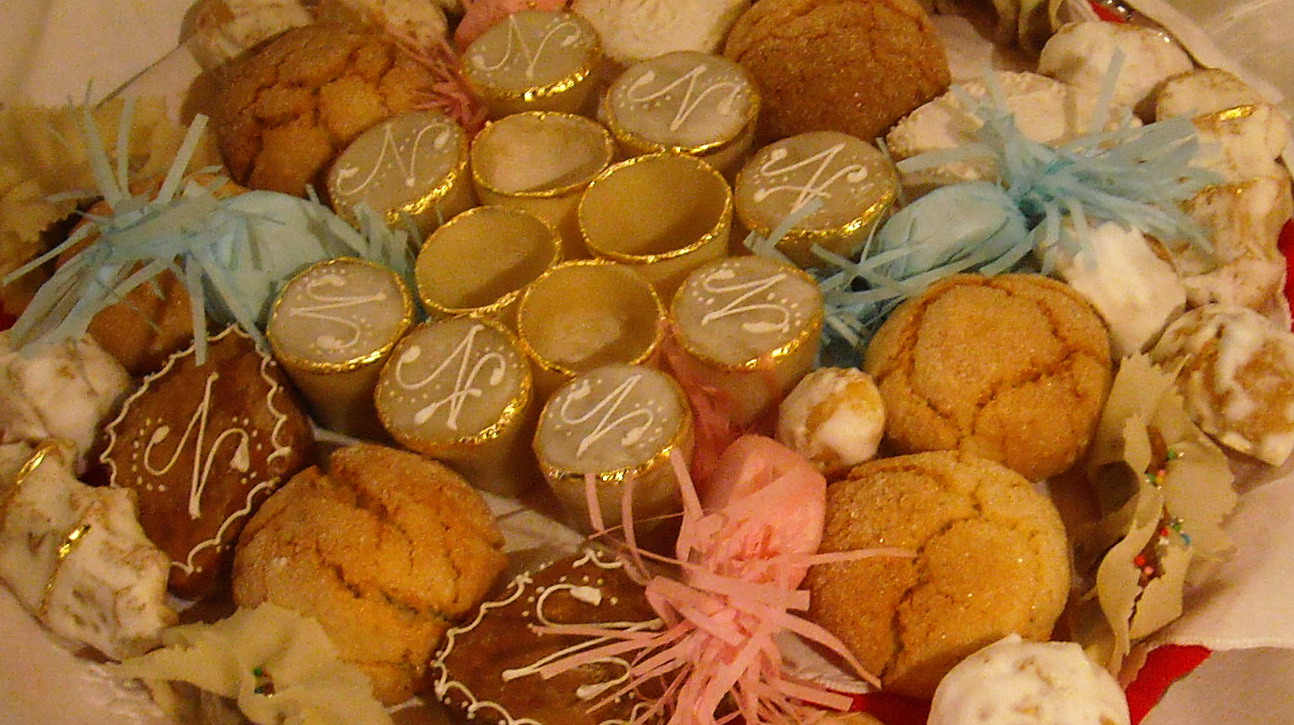
Sardinian desserts are simple and generous: almonds, honey, fresh cheese, orange peel, sapa (cooked grape must) and semolina flour. Every village has its own, tied to a specific moment of the year or of life: pardulas at Easter, papassinos for All Saints’ Day, zippulas at Carnival, the almond sweets that fill wedding tables.
In this guide you will find 15 traditional Sardinian desserts to taste, with their history, the villages they come from, the right seasons and pairings with the island’s dessert wines. At the end, the festivals and Ajò Sardegna experiences where you can taste them or learn to make them, contacting the operators directly, with no commission.
Contents
Honey is not made for the donkey’s mouth.
Traditional Italian proverb
The ingredients of Sardinian desserts
Traditional Sardinian pastry was born in homes, not in pastry shops. It used whatever the countryside offered: almonds from the fields of the Campidano and the Logudoro, honey from the scrub, the shepherds’ milk and cheese, citrus from the gardens, cooked grape must from the last harvest.
- Almonds: the base of amaretti, gueffus, sospiri, candelaus and gattò.
- Honey: wildflower, thistle, asphodel and above all strawberry-tree honey, bitter and fragrant.
- Cheese and ricotta: in seadas and pardulas, where sweet meets savoury.
- Sapa: grape must cooked for a long time, which gives colour and aroma to autumn sweets.
- Citrus: orange and lemon zest, orange blossom water.
Sardinian desserts: feasts, rites and traditions
For centuries in Sardinia sweets were not eaten every day: they were a sign of celebration. Every important moment in life had its own. When a baby was born, sweets were brought as gifts for the mother; for a wedding the village women worked almonds and honey for days; for All Saints’ Day sweets were made for the souls of the dead.
The farming calendar also set the rhythm of traditional Sardinian desserts: sapa after the grape harvest, fritters at Carnival before Lent, ricotta sweets at Easter, when the sheep give the most milk. Centuries of trade across the Mediterranean left their mark, especially in the use of almonds, citrus and sugar.
Even today many traditional sweets are made at home, in groups, with grandmothers’ recipes. The Region protects them in its list of traditional food products of Sardinia, which includes amaretti, aranzada, candelaus, caschettas, copulettas and Fonni biscuits, among others.
1. Seadas, the most famous Sardinian dessert
Seadas, or sebadas, are large ravioli of semolina and lard pastry filled with slightly tangy fresh sheep’s cheese and lemon zest. They are fried and served piping hot, covered in honey. The contrast between the stringy cheese, the crisp pastry and the honey is irresistible.
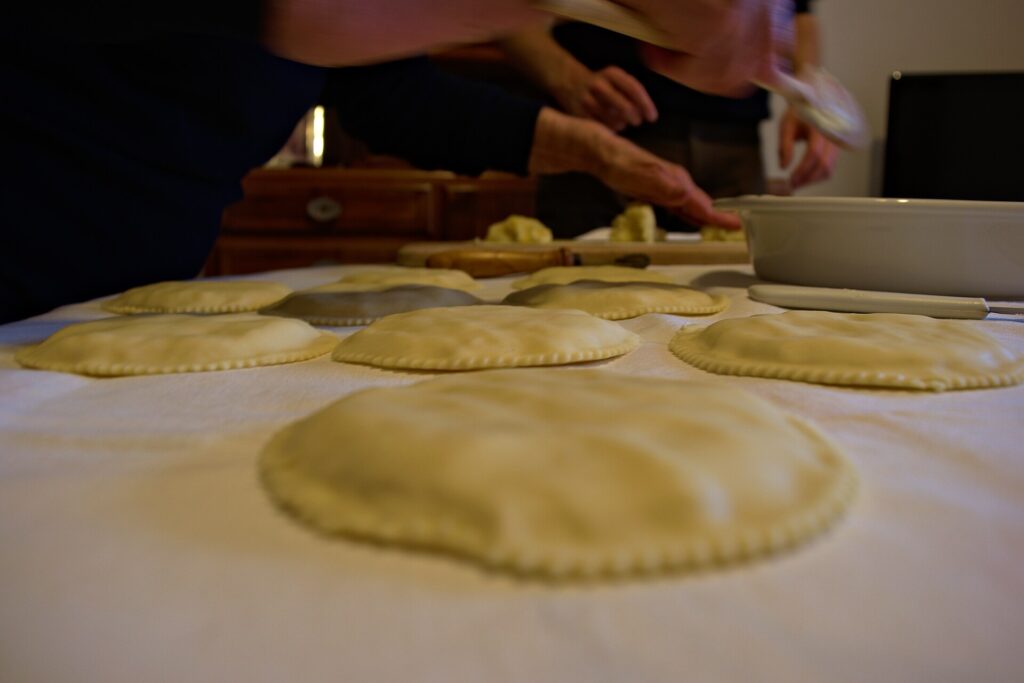
Born as a one-course meal for the shepherds of Barbagia, they are now the signature dessert of Sardinian sweets and can be found all over the island. The filling uses fresh cheese that melts and stretches with heat: find out more about the island’s cheeses on the Pecorino Sardo PDO and Fiore Sardo PDO pages.
How to make them at home. Knead semolina with lard and a little lukewarm water to make a smooth, elastic dough. The fresh cheese, cut into slices, is softened and worked with the lemon zest. Roll out the dough, place discs of cheese on it, cover with another sheet and cut with a fluted wheel, sealing the edges well.
Fry them in hot oil, a few at a time, until puffed and golden, and serve straight away with warmed honey. The secret is the cheese: it must be fresh and slightly sour, so it stretches without releasing whey. A well-made seada is not greasy and stays crisp even under the honey.
2. Papassinos and pabassinas
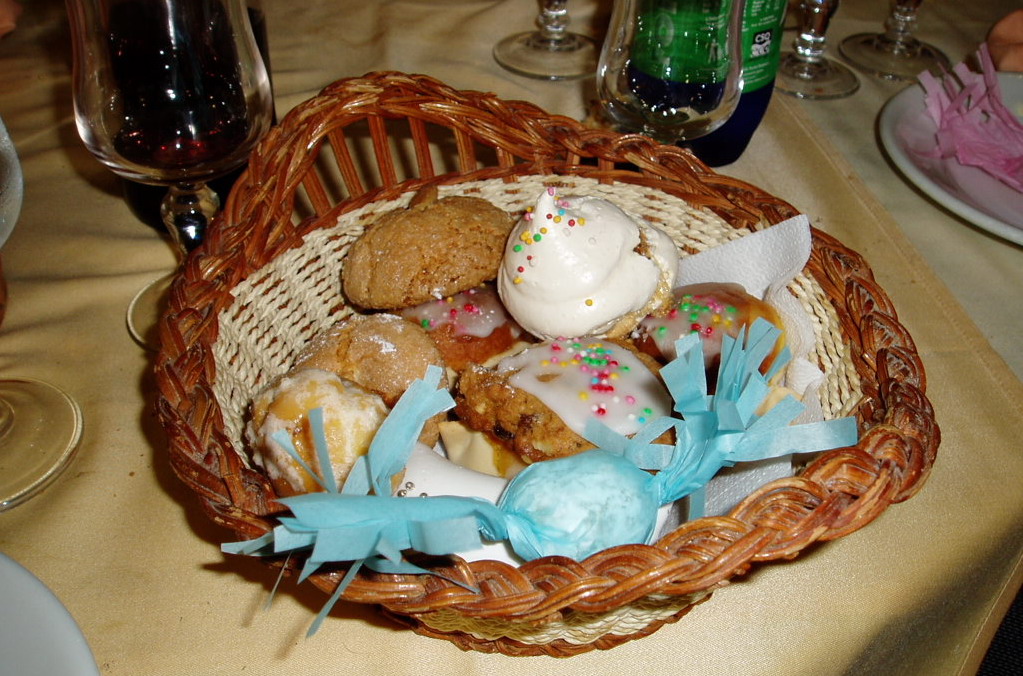
The name comes from papassa, raisin. Papassinos, called pabassinas in the Campidano, are diamond- or crescent-shaped biscuits with raisins, almonds or walnuts, orange zest and often sapa. Many are topped with white icing and coloured sprinkles.
They are the sweets of All Saints’ Day and the Day of the Dead, when they were once left on the table for the souls of the departed, and they are also made at Christmas. In every family the recipe is a little secret, handed down from grandmother to grandchild.
3. Sardinian amaretti
Sardinian amaretti, amarettos, are soft inside and crisp outside, made with sweet almonds and a few bitter almonds, sugar and egg white. Their cracked surface and intense aroma make them unmistakable. They are recognised among Sardinia’s traditional food products and can be found all over the island, from pastry shops to village festivals.
4. Pardulas, the Easter sweet
Pardulas, also called casadinas or formagelle depending on the area, are little pastry baskets filled with ricotta or fresh cheese, saffron and orange zest, baked until golden. They are the Easter sweet par excellence, especially in the south of the island.
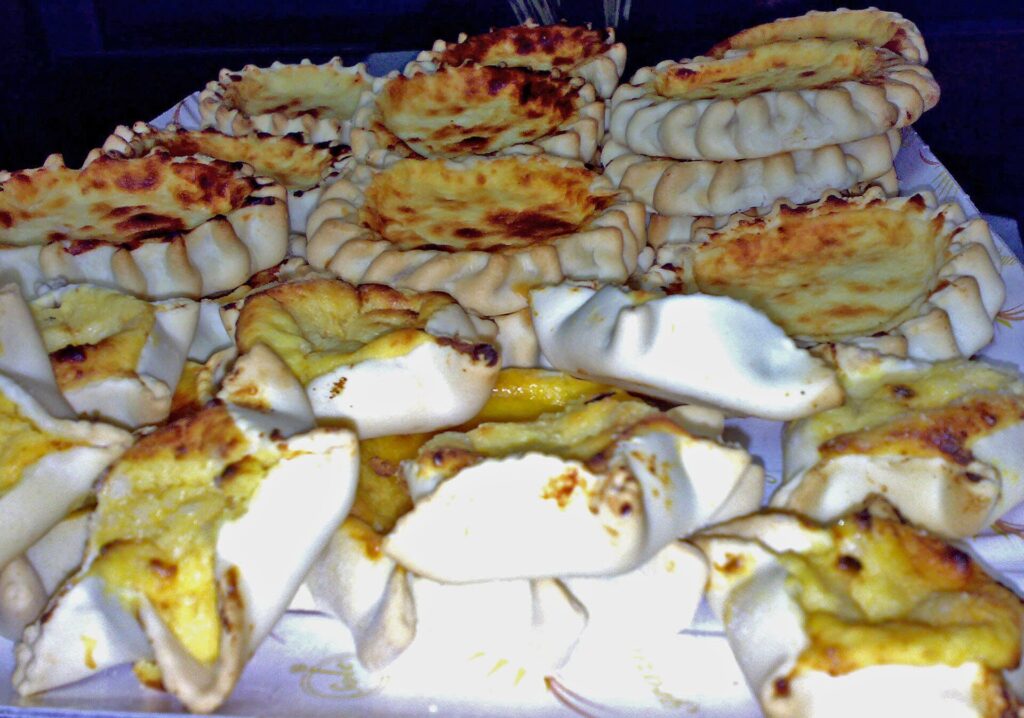
The saffron used in pardulas is often Sardinian: it is harvested between October and November in the Medio Campidano, in San Gavino Monreale, Turri and Villanovafranca, which hosts the Saffron Roads festival.
5–8. The almond sweets of festive days
Almonds are the queens of Sardinian desserts for special occasions. At weddings, christenings and patron saint festivals, trays fill up with little masterpieces:
- 5. Gueffus: balls of almond paste and sugar, wrapped in fringed coloured tissue paper like sweets. Typical of the north of the island.
- 6. Sospiri di Ozieri: small almond-paste sweets coated in icing and wrapped one by one, the pride of Ozieri.
- 7. Candelaus: almond paste scented with orange blossom water, shaped into flowers, baskets and animals and decorated with icing. Typical of the Campidano.
- 8. Gattò: almond and caramelised sugar brittle, often cut into diamonds or moulded into decorative shapes, found at every village festival.
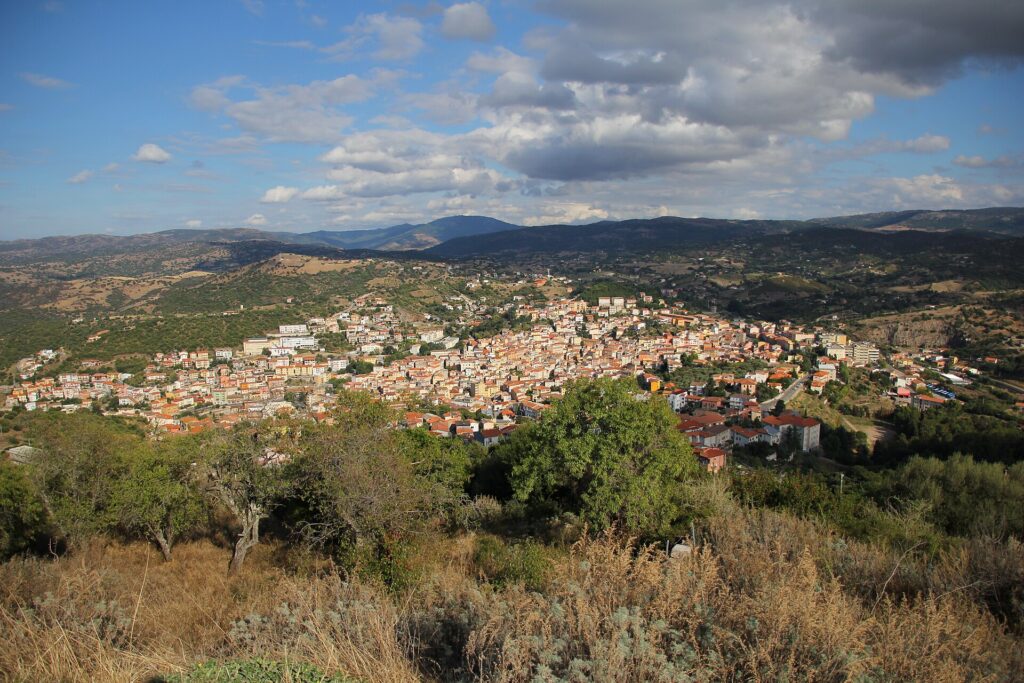
In Ozieri and the Goceano they also make copulettas, small shortcrust tarts filled with almond paste and closed with a pastry lattice. You will find them all year round in the town’s pastry shops.
9. Tonara nougat
At the foot of the Gennargentu, Tonara is Sardinia’s capital of torrone (nougat). It is made with honey, egg white and nuts, almonds, hazelnuts or walnuts, worked for a long time in copper pans, with no added sugar in the most traditional recipe. The result is soft or hard, but always fragrant with honey.
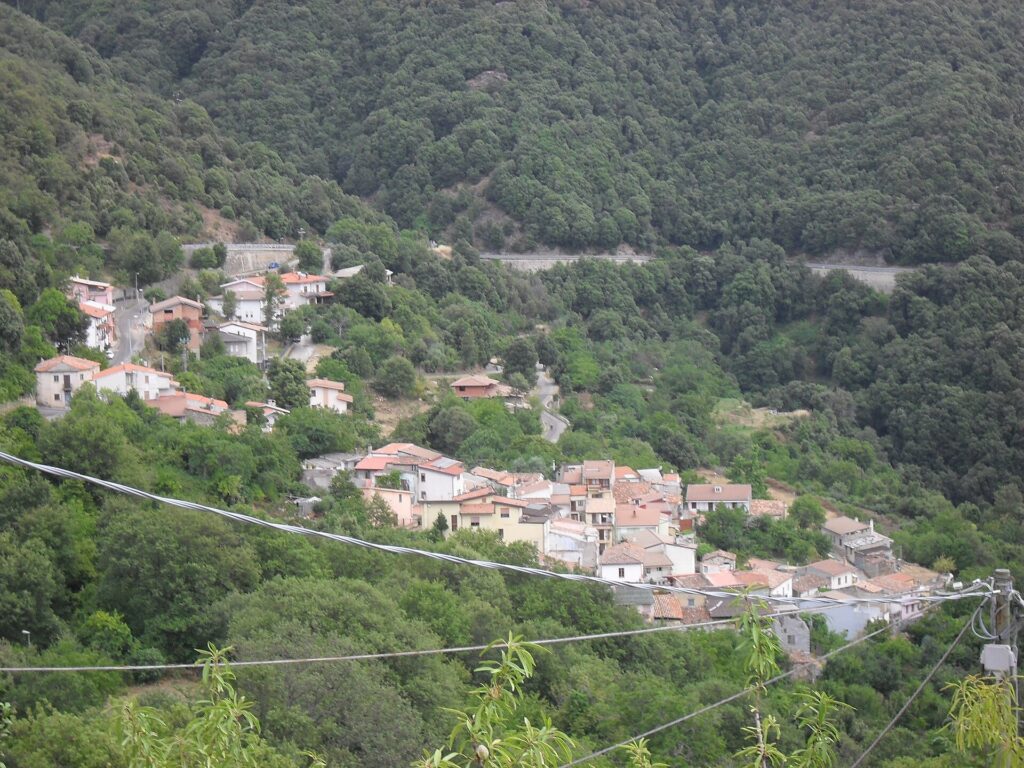
On Easter Monday Tonara celebrates its Sagra del Torrone (Nougat Festival), with demonstrations, tastings and folk groups, as reported by Sardegna Turismo. In nearby villages such as Desulo, Aritzo and Sorgono, nougat can also be found at summer festivals and during Autunno in Barbagia.
10–12. Sweets of Barbagia and the Nuoro area
10. Aranzada. In Nuoro they make aranzada, thin strips of orange peel cooked in honey with toasted almonds. It used to be the sweet of great occasions, such as weddings, and today it is often served in paper cases. It is recognised among the traditional food products, with particular reference to the province of Nuoro.
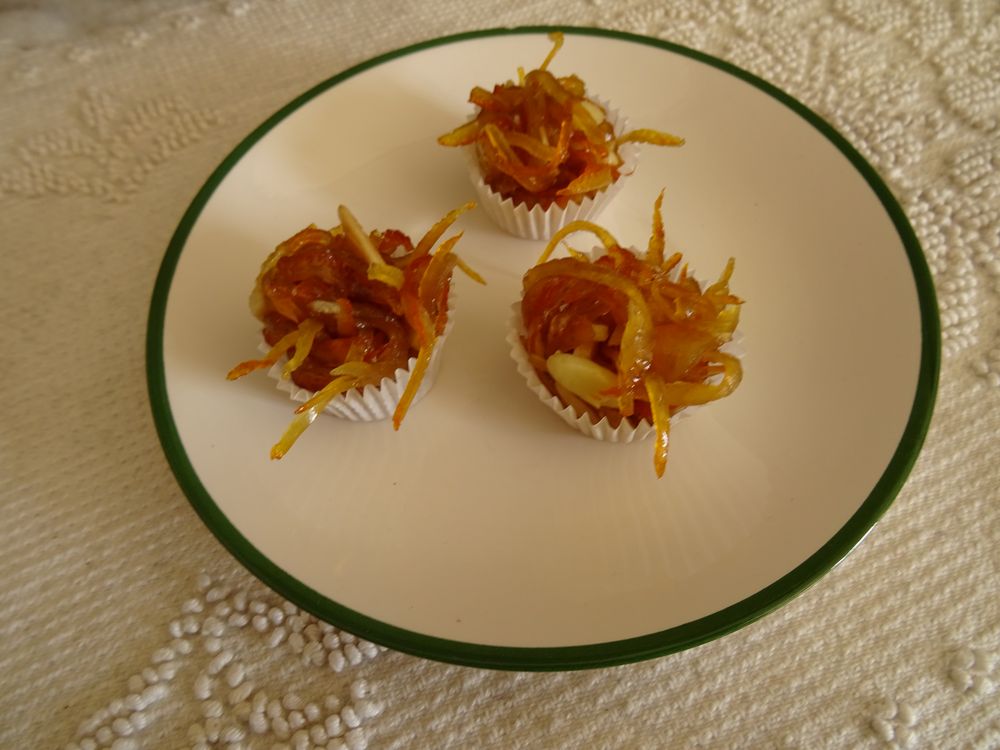
11. Caschettas. Very thin ribbons of pastry filled with almond paste, honey and orange zest, rolled to form flowers and crowns. They are typical of Barbagia, and in particular of Belvì, where village women make them for brides.
12. Fonni biscuits. Soft sponge fingers made with eggs, sugar and flour, born in Fonni, the highest village in Sardinia. They are dunked in milk or wine. During the Cortes Apertas in Fonni, from 6 to 8 December 2026, you can watch them being made in the courtyards.
13–15. Carnival and autumn sweets
13. Zippulas. Long, spiral Carnival fritters made with a soft dough scented with orange, sometimes with saffron, fried and rolled in sugar. In Oristano they accompany the days of the Sartiglia, and in Mamoiada the Sant’Antonio bonfires that open Carnival.
14. Origliettas. Strips of thin pastry, plaited or rolled, fried and glazed with honey. They too are a Carnival sweet, found in many parts of the island under different names.
15. Pan’e saba. Sapa bread is the autumn sweet: a dark dough with cooked grape must, nuts, raisins and spices, decorated with almonds and sprinkles. It is made between the grape harvest and All Saints’ Day, when the sapa is freshly made, and at Christmas.
Other traditional Sardinian desserts to look for
The list of traditional Sardinian desserts is very long. If you see these in a village pastry shop, give them a try:
- Bianchini (bianchittos): meringues with chopped almonds, light and crisp.
- Canestrelli of Carloforte: crumbly little rings, a speciality of Carloforte, on San Pietro Island.
- Carapigna: a traditional lemon sorbet, linked in particular to Tuili.
- Pirichittus: glazed balls of leavened dough, typical of Cagliari.
- Mustazzolus: spiced diamond-shaped biscuits, with variations around the island.
- Anicini: dry aniseed biscuits, for dunking.
What to pair with Sardinian desserts
Sardinia has a fine tradition of dessert wines and liqueurs, perfect for ending a meal. A few classic pairings:
- Malvasia di Bosa: with amaretti, gueffus and almond sweets. It is made around Bosa, in Planargia.
- Moscato and Nasco: with seadas, papassinos and pan’e saba.
- Vernaccia di Oristano: with dry sweets and biscuits, in the Tirso valley.
- Mirto: the myrtle berry liqueur, served chilled after seadas.
Many wineries and tastings offer sweet wines paired with local sweets. And if you are in Bosa, end the day at sea with a half-day sail and an aperitif: see the sailing experiences on the portal.
Where to taste and learn Sardinian sweets
The best place for Sardinian desserts is a village festival, where women prepare them for days. In winter, the last stops of Autunno in Barbagia, in Orune, Seulo and Ortueri on 12 and 13 December 2026, are a treat for anyone with a sweet tooth; browse all the traditional festivals on Ajò Sardegna.
In the Montiferru, Artes e Sabores in Santu Lussurgiu, on 12 and 13 December, brings together craft workshops and flavours. Until 29 November, Saboris Antigus brings old-time flavours to Siurgus Donigala and nearby villages.
If you want to try your hand, look for a cooking class: learning to seal seadas or plait origliettas with a local cook is a memory that lasts. The food and wine experiences also include visits to farms producing honey, almonds and cheese.
The Sardinian desserts calendar
- January–February: zippulas, origliettas and Carnival fritters.
- Easter: pardulas, and in many villages decorated breads and almond sweets.
- Summer: gattò and nougat at patron saint festivals, sorbets and carapigna.
- Autumn: pan’e saba, papassinos, sweets with new strawberry-tree honey.
- Christmas: papassinos, nougat, pan’e saba and amaretti.
Seadas, amaretti and almond sweets can be found all year round. For the others, ask in a pastry shop: they often make them to order.
How to take Sardinian sweets home
Many Sardinian sweets travel well. Amaretti, papassinos, gueffus, sospiri, nougat and gattò keep for days in a tin or cardboard box. Seadas and pardulas, on the other hand, should be eaten fresh: raw frozen seadas are sold in some shops, to fry at home.
Buy from artisan pastry shops and village workshops, and always ask about the ingredients: sweets made with Sardinian almonds, local honey and good-quality lard or butter are recognisable at the first bite. For honey, look for local producers and ask for strawberry-tree honey: a small jar, a big memory.
Sardinian sweets for everyone: children and intolerances
Many Sardinian desserts are naturally gluten-free, because they are made only with almonds, sugar, honey and egg white: this is the case with amaretti, gueffus, sospiri, bianchini, gattò and nougat. Anyone with coeliac disease should still always ask, because many workshops also handle flour and there is a risk of cross-contamination.
If you are lactose intolerant, be careful with seadas, pardulas and all sweets made with cheese or ricotta. Anyone allergic to nuts should avoid almost all traditional pastry, where almonds are everywhere, even when you cannot see them.
With children, sweets are a wonderful way into Sardinian culture: watching the women plait caschettas or fry zippulas is a show in itself. You will find more family ideas in the families and kids section.
FAQ about Sardinian desserts
What is the most famous Sardinian dessert?
Seadas, or sebadas: large semolina ravioli filled with fresh cheese and lemon zest, fried and served hot with honey, ideally strawberry-tree honey. They are found all over the island, in restaurants and at festivals.
Which Sardinian sweets are eaten at Christmas?
Papassinos with raisins and nuts, pan’e saba with cooked grape must, Tonara nougat and amaretti. Many homes also make gueffus and almond sweets.
What are pardulas?
They are little pastry baskets filled with ricotta or fresh cheese, saffron and orange zest, baked in the oven. They are the typical Easter sweet, especially in southern Sardinia, where they are also called casadinas or formagelle.
Which Sardinian sweets can you take home?
Amaretti, papassinos, gueffus, sospiri from Ozieri, nougat and gattò keep for days and travel well. Seadas and pardulas should be eaten fresh.
Taste Sardinian desserts with the people who make them
From seadas to pardulas, from gueffus to Tonara nougat, Sardinian desserts tell the story of the island’s festivals, families and seasons. On Ajò Sardegna you will find festivals where you can taste them, local operators and experiences in culture and traditions, to contact directly and with no commission, in areas such as Barbagia and the Nuoro area. To discover the savoury side too, see the culurgiones and porceddu pages. And if you do not know where to start, ask Lia, the portal’s virtual assistant. Ajò!
