Things to do in Ozieri
What to see in Ozieri, Sardinia: San Michele cave, archaeological museum, Sant'Antioco di Bisarcio, the Roman Pont'Ezzu and famous suspiros sweets.
We are gathering the first experiences for this area. Check back soon, or tell us about an operator you know.
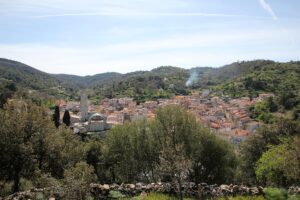
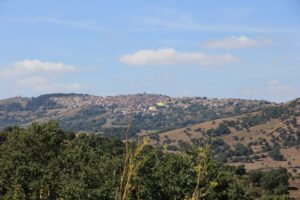
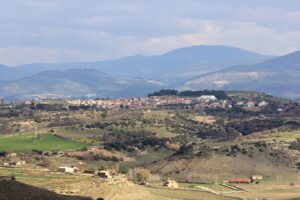
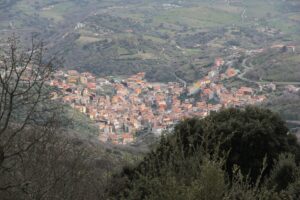
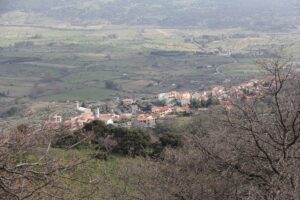
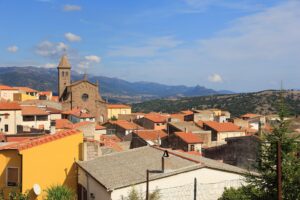
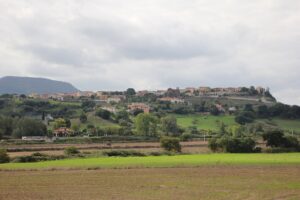
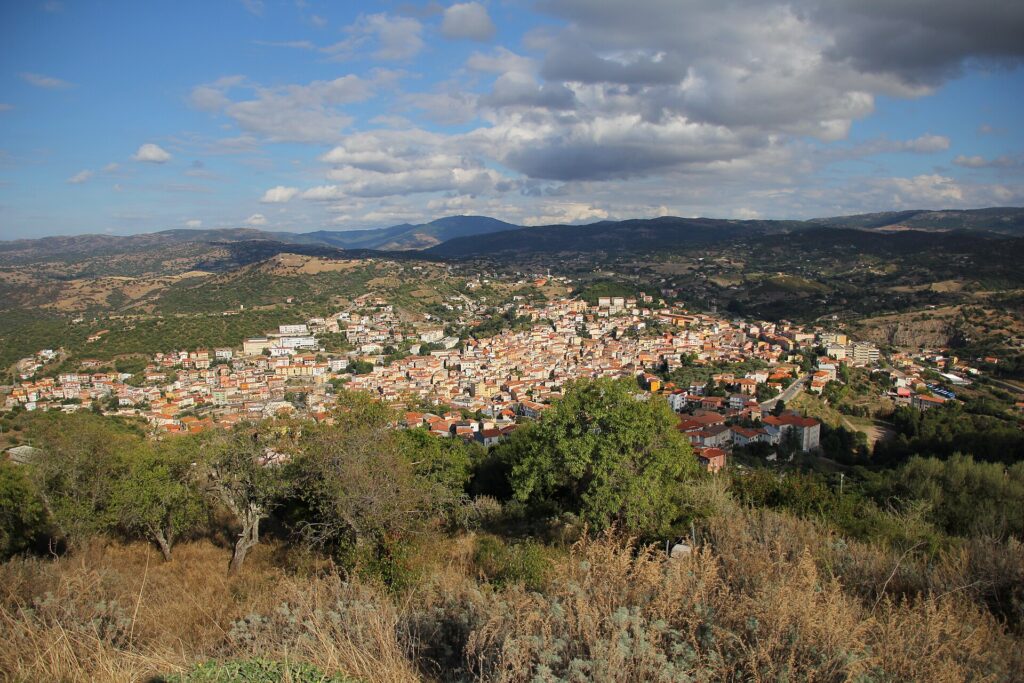
Ozieri is the largest town in Logudoro, an elegant place spread like an amphitheatre in a green hollow about 50 km from Sassari. Archaeologists worldwide know its name: here is the San Michele cave, which gave its name to the "Ozieri culture", one of the most important in Sardinian prehistory. With 19th-century palazzi, churches, museums, a Roman bridge and one of the island's finest Romanesque basilicas, it's ideal if you love history, art and traditional food, away from the coastal crowds.
What to see in Ozieri
The old town and the Fontana Grixoni
The heart of town is Piazza Carlo Alberto, with the Fontana Grixoni, also called Su Cantaru, a public fountain with parts dating from the 16th to the 19th century. Around it rise sloping streets and stately buildings such as Palazzo Costi, from the era when Ozieri was the second town of north-west Sardinia. The old Carceri Borgia prison is also worth a look.
The Cathedral of the Immacolata and the Sacred Art Museum
The cathedral, built in the 15th century and remodelled in the 19th, holds a 16th-century polyptych of the Madonna of Loreto. The Diocesan Museum of Sacred Art displays works by the Master of Ozieri, an anonymous 16th-century painter, one of the leading figures of the Sardinian Renaissance.
The Archaeological Museum and San Michele cave
In the former convent of the Poor Clares, the Civic Archaeological Museum tells the area's story from prehistory to modern times, with decorated Ozieri-culture pottery, an ox-hide-shaped copper ingot and the Chilivani hoard. Close to the centre you can visit the San Michele cave, where 1914 excavations revealed this Late Neolithic civilisation (late 4th millennium BC).
Sant'Antioco di Bisarcio
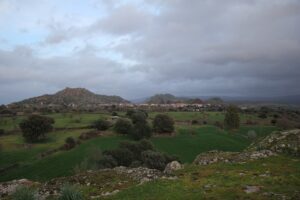
About 10 km away, on the Chilivani plain, stands the basilica of Sant'Antioco di Bisarcio, a former cathedral built in stages from the 11th century: one of the high points of Romanesque architecture in Sardinia, with a superb view over the countryside.
Pont'Ezzu
The "old bridge" over the Rio Mannu is a six-arched Roman bridge from the 2nd century AD, the best preserved of three ancient bridges in the area.
Things to do in Ozieri
- Archaeology routes: the area has over a hundred nuraghi, including Burghidu and Sa Mandra 'e Sa Jua, and about 150 domus de janas (rock-cut tombs).
- Horse country: Chilivani has a long horse-breeding tradition, told in a dedicated museum; you can also go riding in the countryside.
- Cultural visits to museums, churches and the town's ethnographic museum.
- Cooking and pastry workshops to discover suspiros and Logudoro recipes.
- Cycling and walks through the Monte Acuto countryside.
Right below you'll find the experiences offered by local operators: choose yours and book directly.
History
The area has been inhabited since the Neolithic: the Ozieri culture (about 4000-3200 BC) spread across the whole island. Nuraghi followed, then the Romans, who left the Pont'Ezzu and a bust of Ceres. The ancient name was Othieri. In the Middle Ages it belonged to the Giudicato (medieval kingdom) of Torres, while Bisarcio was a bishop's seat; the diocese, suppressed in 1503 and restored in 1803, took the name of Ozieri in 1915. In the 14th century Ozieri was the chief town of Monte Acuto; under the Aragonese it became a fief, and in the 18th century it grew into one of the north's leading towns. In 1836 King Carlo Alberto granted it city status.
What to eat and what to buy
Ozieri is famous for suspiros ("sighs"), little sweets known since the 1800s made with almonds, honey and sugar and coated in icing, and for copulettas, another traditional local sweet. Logudoro cooking also offers durum-wheat bread, sheep's cheese, roast meats and traditional soups. Take home sweets, cheese and local crafts.
Festivals and traditions
Ozieri is a capital of the Sardinian language: since 1956 it has hosted the Premio Ozieri, the oldest literary prize for writing in Sardinian, and it has a long tradition of poetry and song. Religious feasts in the neighbourhoods and country churches fill the calendar with processions and popular celebrations.
Nearby
- Pattada (about 25 minutes): the village of famous Sardinian knives.
- Lake Coghinas and Oschiri (about 25 minutes), with the church of Nostra Signora di Castro.
- Codrongianos and Saccargia (about 40 minutes): the striped Romanesque basilica.
- Torralba and Nuraghe Santu Antine (about 35 minutes).
Getting there and when to go
Ozieri is about 45 minutes' drive from Sassari and about an hour from Olbia; Chilivani railway station, a few kilometres away, is a junction of the Sardinian network. The nearest airports are Olbia and Alghero. Spring and autumn are ideal for archaeological sites and the countryside; in summer the town is a pleasant cultural alternative to the beach.
Frequently asked questions
How many days do you need for Ozieri?
One full day covers the centre, the museums and San Michele cave; with two you can add Bisarcio, Pont'Ezzu and a few nuraghi.
What is the Ozieri culture?
A Late Neolithic civilisation found across Sardinia, known for its decorated pottery and domus de janas; it's named after the San Michele cave.
Is Ozieri good for families?
Yes: the cave, the museum and the horse country are enjoyable for children too.