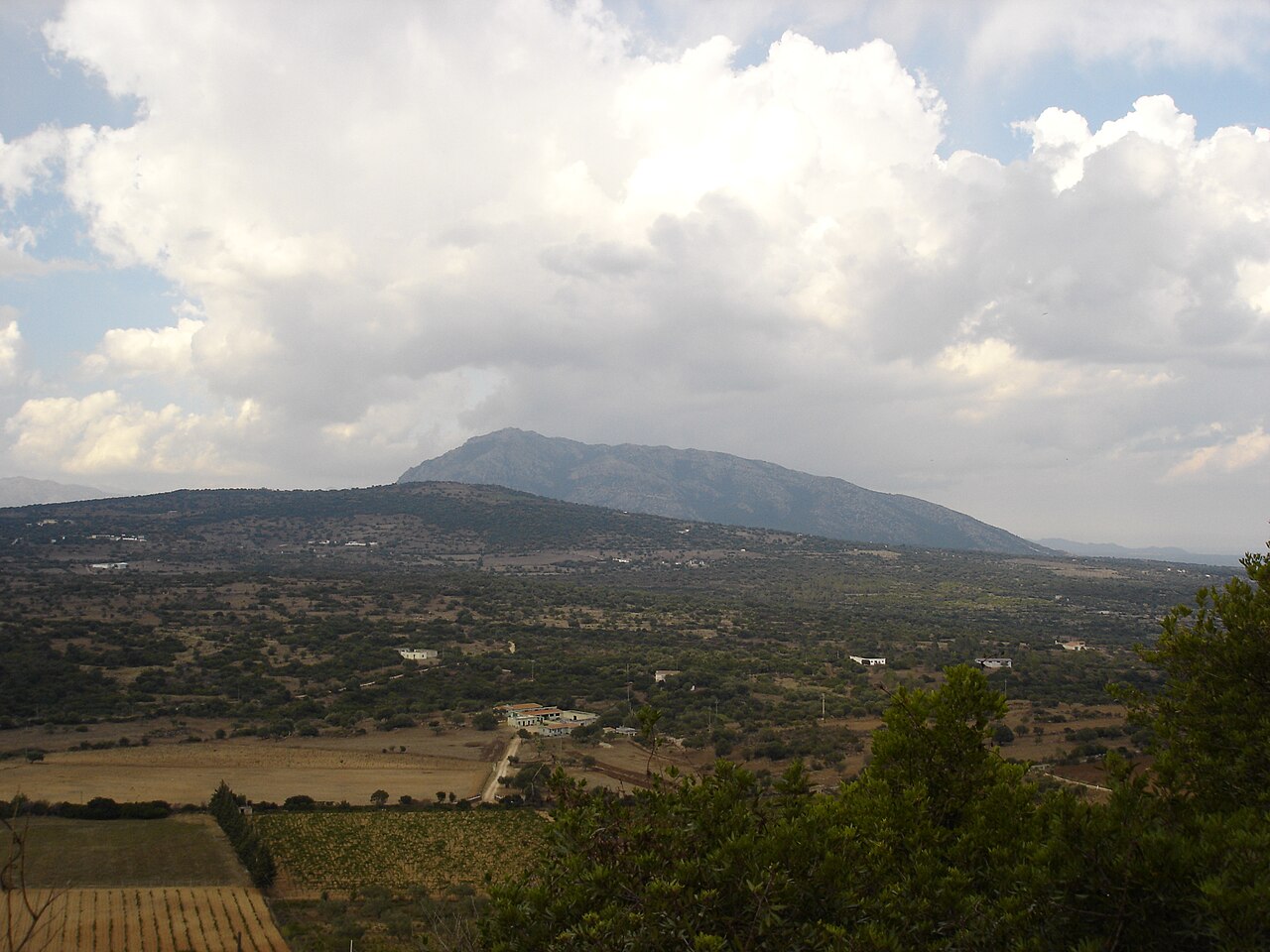
Cannonau wine is the red that stands for Sardinia: warm, fragrant, with a ruby colour that recalls the island’s inland hills. The grape is grown almost everywhere in Sardinia, but it is at its best in the hill and mountain vineyards of Barbagia, Ogliastra and the Supramonte, where summers are hot, nights are cool and many vines are decades old.
In this guide you will find the history of Cannonau, the 6 most important areas to visit, how to read a label, what to pair it with and how to plan a day among the wineries. With links to the village pages, festivals and experiences on Ajò Sardegna, so you can contact the people who make and tell the story of this wine directly, with no commission.
Contents
What is Cannonau wine
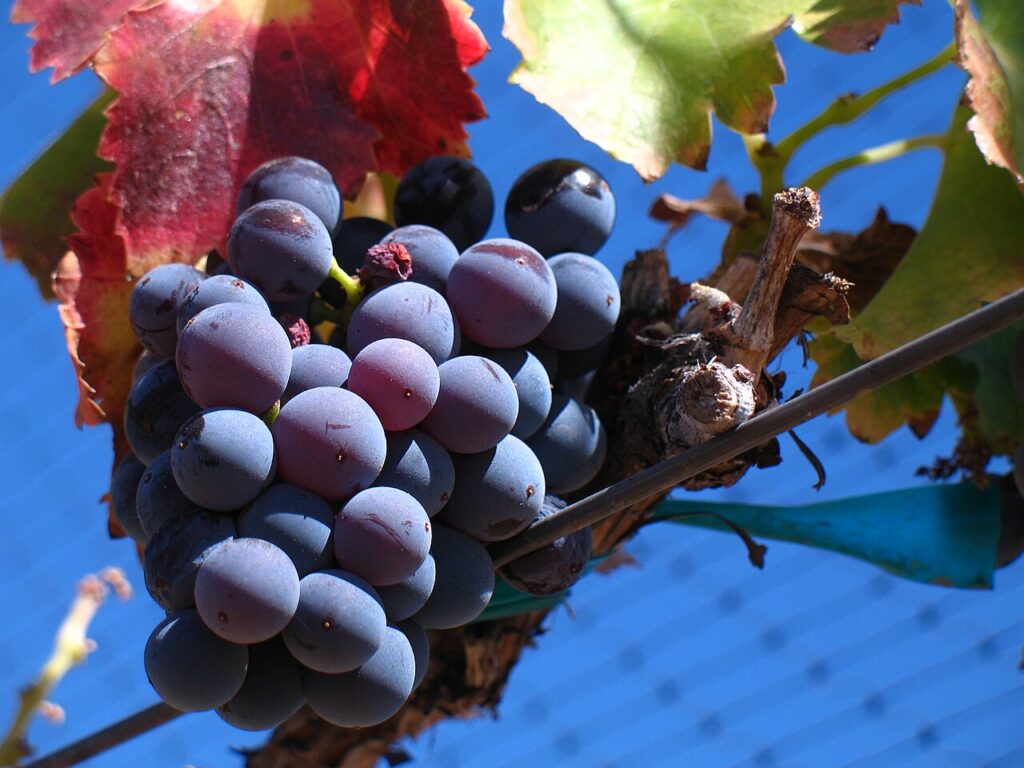
Cannonau is a black grape variety and the most widely planted in Sardinia. Genetically it is the same variety called Garnacha in Spain and Grenache in France, but in Sardinia it has taken on a character of its own, shaped by the climate, the granite and limestone soils and a way of growing vines that in many areas has stayed traditional, with low bush vines trained ad alberello.
The wine it makes is usually full and smooth, with aromas of ripe red fruit, plum, Mediterranean scrub and spice. It has a fairly high alcohol content and tannins that are not too aggressive, which make it enjoyable both young and after a few years of ageing. Today many producers are aiming for a fresher, more elegant style, with less oak and more fruit.
…and the wine is bottled poetry.
Robert Louis Stevenson, The Silverado Squatters (1883)
The history of Cannonau: an ancient wine
For a long time it was thought that this grape reached Sardinia from Spain, during Aragonese rule. Archaeological research in recent years has opened up another hypothesis. At Borore, in the nuragic settlement of Duos Nuraghes, charred grape seeds dating from the fourteenth century BC have been found, and at Monte Zara, near Monastir, a Bronze Age stone wine press considered one of the oldest in the Mediterranean.
These finds do not prove that the grapes were Cannonau, but they show that wine was being made in Sardinia more than three thousand years ago. The debate over its origins remains open, and many Sardinians are convinced that it was Cannonau that travelled to Spain, not the other way round. You can read more on the regional tourism portal, on the page La terra del vino da oltre tre millenni (a land of wine for more than three millennia).
The same regional portal mentions other clues: Vernaccia and Malvasia grape seeds found in the nuragic well of Sa Osa, near Cabras, and Sardinian wine amphorae from the ninth century BC recovered off the coast of Malta. A sign that wine was already being traded with other Mediterranean peoples. In the following centuries Phoenicians, Romans, Pisans and Aragonese brought new vines and new techniques, and each ruler left something behind in Sardinia’s vineyards.
Even today very old wild vines can be found in the inland countryside, and in some villages the harvest is a family celebration with grandparents, children and grandchildren all taking part. It is this continuity, more than any document, that shows how deeply wine belongs to the island’s history.
In the twentieth century Cannonau became the everyday wine of Sardinian families, produced in large quantities mainly by cooperative wineries. The Cannonau di Sardegna DOC has existed since 1972, and in recent decades a new generation of winegrowers has focused on quality, reviving old vineyards and small mountain plots.
The Cannonau di Sardegna DOC: reading the label
The Cannonau di Sardegna DOC covers the whole island. According to the production regulations, the wine must be made from at least 85% Cannonau grapes, rising to 90% for the Classico type. These are the types you can find on the label:
- Rosso: the most common Cannonau, to drink young or after a few years.
- Rosato: fresh and fruity, excellent in summer with fish and cured meats.
- Riserva: at least two years of ageing, six months of them in wood.
- Classico: made in the provinces of Nuoro and Ogliastra, with at least two years of ageing, twelve months of them in wood.
- Passito and Liquoroso: sweet or fortified wines, for sipping on their own or with desserts.
The regulations also include three sub-zones, which may appear on the label next to the name: Oliena (or Nepente di Oliena), Jerzu and Capo Ferrato. They are three very different territories, and tasting them side by side is the best way to understand how much the same grape changes from place to place.
The 6 Cannonau wine areas to visit
These are the most interesting areas for anyone who wants to travel among vineyards and wineries. They are not the only ones: good Cannonau wine is also made around Sassari, in the Sarcidano and in the south of the island.
1. Jerzu and Ogliastra – Jerzu is known as the town of wine. It sits on a rocky ridge at the foot of the limestone tacchi, with vineyards running down towards the Pardu valley. Here the cooperative winery made Cannonau di Jerzu famous throughout Italy, and today several family estates work alongside it. From Jerzu the sea at Tortolì and Cardedu is half an hour away: you can combine a winery visit with a lunch of culurgiones from Ogliastra.
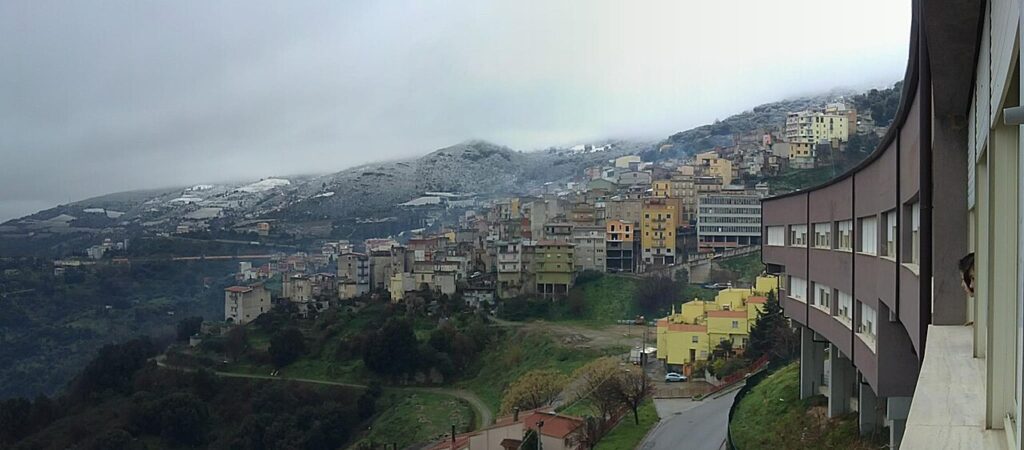
2. Oliena and Nepente – At the foot of the Supramonte, Oliena produces the Cannonau that Gabriele D’Annunzio called Nepente, after the drink that banishes sorrow in the Odyssey. The vineyards lie beneath the white walls of Monte Corrasi, on limestone soils that give fragrant, long-lived wines. Oliena is also one of the September stops of the Cortes Apertas, when the wineries open their doors.
3. Mamoiada and Barbagia – In just a few years Mamoiada has become one of the areas most admired by wine lovers. Bush vines above 600 metres, often very old, and dozens of small producers, many of whom bottle only a few thousand bottles. From 6 to 8 November 2026 the village hosts the Autumn in Barbagia stop in Mamoiada: the ideal time to taste the wine in the courtyards. Don’t miss the Museum of Mediterranean Masks.
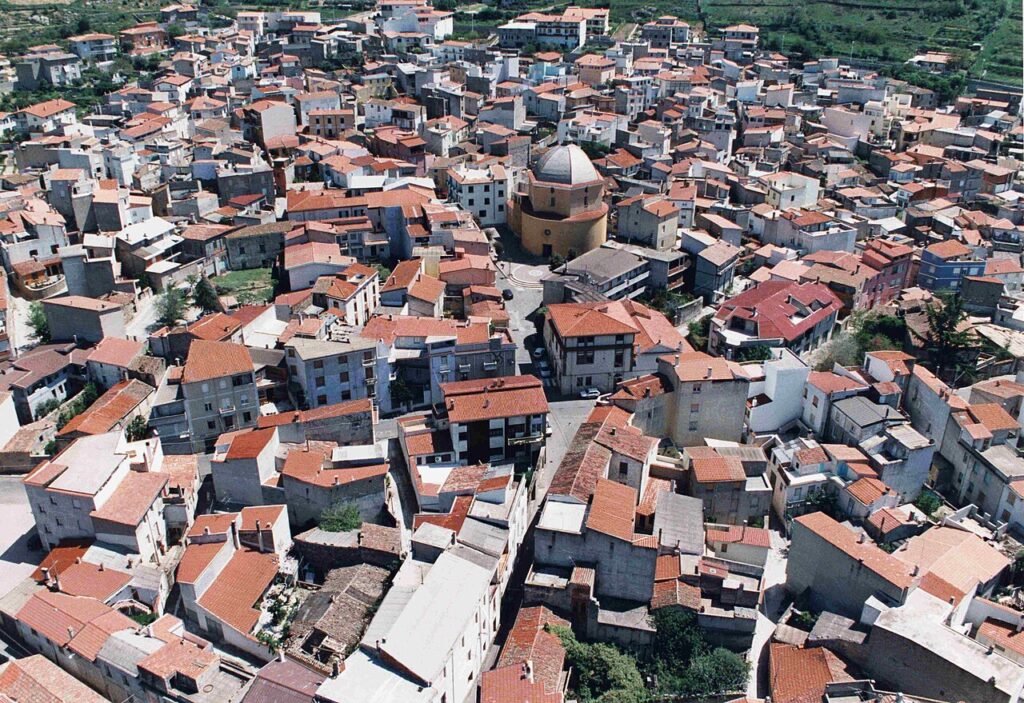
Nearby, it is also worth stopping in Orgosolo, with its murals and hillside vineyards, and in Nuoro, the town of Grazia Deledda, a perfect base for exploring Barbagia.
4. Dorgali and the Baronia – Between the Supramonte and the Gulf of Orosei, Dorgali combines sea and mountains. The village cooperative winery is one of the best known on the island, and the vines grow on granite and basalt soils. From here you can reach Cala Gonone and the caves of the gulf, or go on a guided hike to the Gorropu Gorge or the nuragic village of Tiscali.
5. The Mandrolisai – In the centre of Sardinia, between Sorgono, Atzara and Ortueri, Cannonau is blended with Bovale and Monica in Mandrolisai DOC, a mountain red with a character all its own. It is an area with few tourists, perfect if you are looking for small wineries and genuine villages. On 21 and 22 November 2026 there is the Autumn in Barbagia stop in Atzara, and on 12 and 13 December the one in Ortueri.
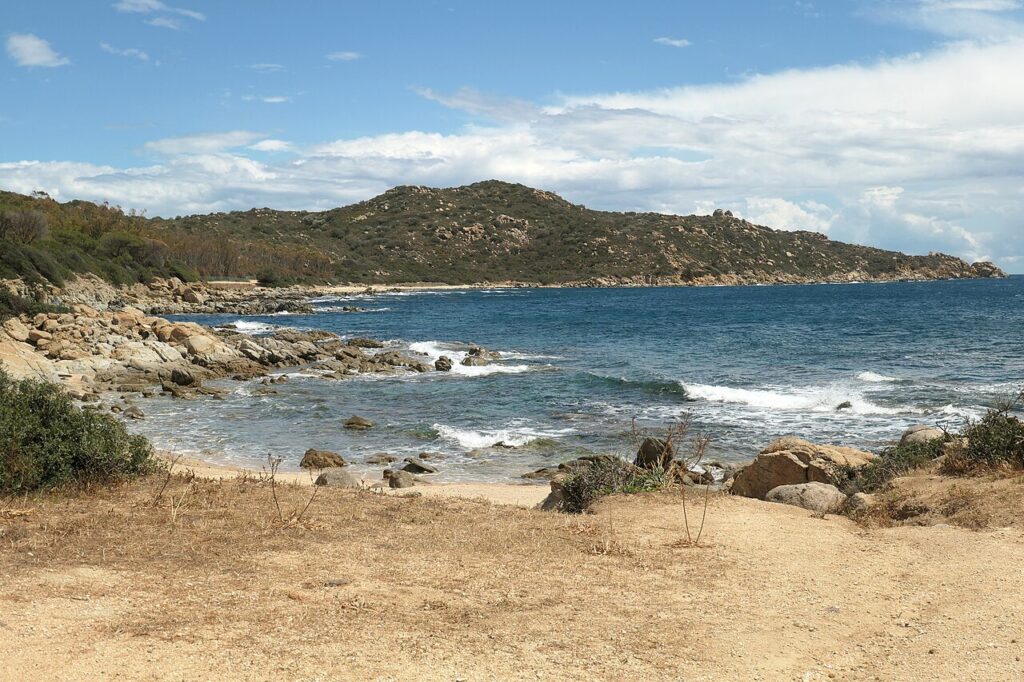
6. Capo Ferrato and the Sarrabus – In the south-east, between Castiadas, Muravera, San Vito, Villaputzu and Villasimius, the vines grow close to the sea on sandy and granite soils. Capo Ferrato wine is generally softer and more Mediterranean than mountain Cannonau, ideal with the seafood of the coast.
Visiting Cannonau wineries
Most wineries welcome visitors by appointment, with a tour of the vineyard and cellar and a tasting of three or four wines, often served with bread, cheese and cured meats. Cooperative wineries, such as those in Jerzu, Dorgali and Oliena, usually have longer opening hours and a shop open all year round. Small producers, on the other hand, should always be contacted in advance: they are often out in the vineyard and will welcome you themselves.
On Ajò Sardegna you will find wineries and tastings across the island and all the food and wine experiences. If you want to combine Cannonau wine with shepherds’ food, try a lunch with shepherds in Barbagia, where the wine is drunk alongside roast meat and cheese from the sheepfold.
- Always book: even wineries open to the public like to know how many people are coming.
- Allow time: inland roads are slow, and two wineries a day is the right pace.
- Drive responsibly: use the spittoon or arrange a driver who doesn’t drink.
- Shipping: many wineries ship within Italy and abroad, so you don’t have to fill your suitcase.
Cannonau at the table: the right food pairings
Cannonau is the natural partner of Sardinia’s inland cooking. A young red goes well with malloreddus alla campidanese in sausage sauce and with culurgiones in tomato sauce. A more structured Cannonau or a Riserva is perfect with porceddu, roast lamb and pecora in cappotto (boiled mutton).
With cheese, play with the ageing: a mature Pecorino Sardo PDO and Fiore Sardo PDO call for a powerful Cannonau, while the rosé is excellent with fresh cheeses and with seasoned pane carasau. Finally, passito or fortified Cannonau pairs with dry biscuits and blue cheeses. For more ideas, look up seadas and the other Sardinian flavours on the portal.
When to go: harvest, festivals and new wine
The best time to visit the wine areas is from September to November. In late September and early October the grapes are harvested, the villages smell of must and many wineries hold open days. In autumn the calendar fills up with festivals dedicated to wine and the produce of the land.
In November there is the New Wine Festival in Dolianova, from 8 to 15 November 2026, in the Parteolla area, half an hour from Cagliari. The stops of Autumn in Barbagia, until 13 December, are a unique chance to taste families’ homemade wine in village courtyards. In December, in Santu Lussurgiu, Artes e Sabores brings together the crafts and flavours of the Montiferru.
Beyond Cannonau: Sardinia’s other wines
Anyone setting off on a tour of Sardinian wineries soon discovers that the island has much more to offer. Every area has its leading grape, and the same estates that make the island’s most famous red often also produce whites, rosés and sweet wines of great character.
- Vermentino di Gallura: Sardinia’s only DOCG, a savoury, aromatic white grown on the granite of the north-east.
- Vermentino di Sardegna: made all over the island, fresh and perfect with fish.
- Carignano del Sulcis: a Sardinian red wine from the south-west, from vineyards near the sea, sometimes on sand.
- Monica and Bovale: lighter or more rustic reds, often used in blends too.
- Vernaccia di Oristano: an oxidative white aged for a long time in barrels, similar to sherry, with a very ancient history.
- Malvasia di Bosa: a sweet or dry white from the Planargia, with aromas of almond and honey.
A good way to find your bearings is to ask the winery for a vertical tasting, the same wine from different vintages, or a horizontal tasting of different grapes from the same estate. In a few hours you will understand how the producer’s style changes and what you really like.
How to choose and buy a bottle
In a supermarket or wine shop, price is not the only guide. Look at the label first: the sub-zone or village of origin tells you much more than the plain regional name. A mountain Sardinian red wine from old vines will be more fragrant and taut; one from the plains or the coast softer and more approachable.
- Vintage: for entry-level reds choose the most recent vintages; for Riserva wines, bottles five or six years old are fine.
- Alcohol: Sardinian reds often exceed 14%: drink them slowly and with food.
- Small producers: many family wineries sell almost only at the estate or by mail order: the best way to take home a memory of your trip.
- Storage: keep bottles lying down, somewhere cool and away from light, especially in summer.
A three-day itinerary through the Cannonau vineyards
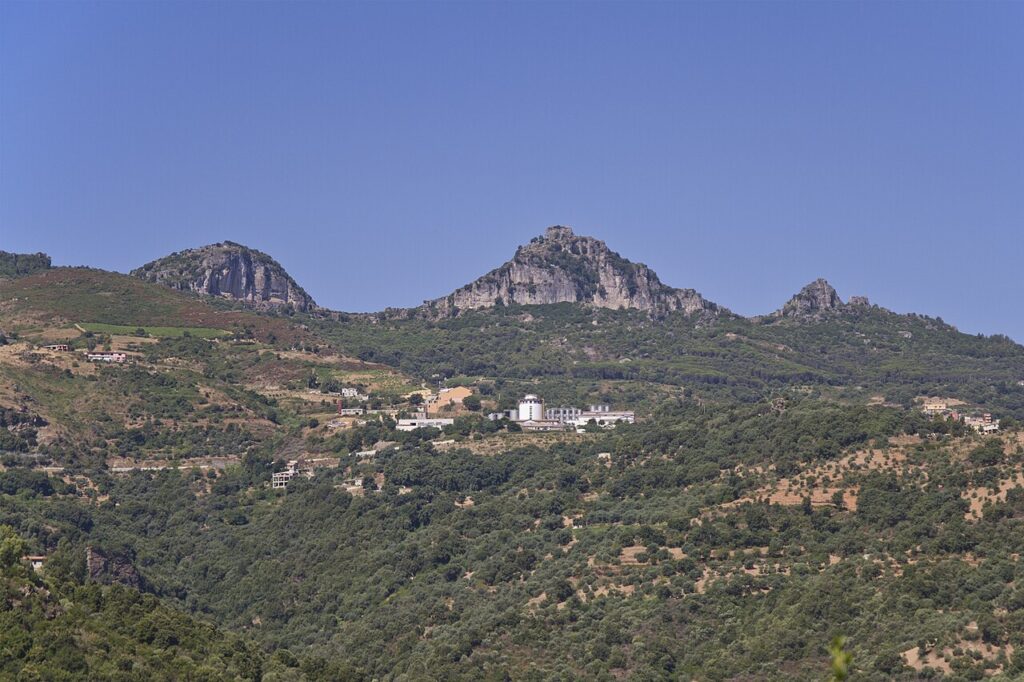
Here is an itinerary linking three of the most beautiful Cannonau areas, ideal for a long weekend.
- Day 1, Ogliastra: morning at a winery in Jerzu, lunch with culurgiones, afternoon among the limestone tacchi or on the beach at Cardedu.
- Day 2, Barbagia: drive to Mamoiada, visit the Mask Museum and enjoy a tasting with a small producer; evening in Nuoro.
- Day 3, Supramonte: morning in Oliena for Nepente, lunch with shepherds, afternoon towards Dorgali and Cala Gonone.
With an extra day, add the Mandrolisai, between Sorgono and Atzara, or head down to Capo Ferrato and the Sarrabus coast to end your trip with a seaside Cannonau and a swim at Costa Rei.
Frequently asked questions about Cannonau wine
Are Cannonau and Grenache the same wine?
They are the same grape variety, called Cannonau in Sardinia, Garnacha in Spain and Grenache in France. The wines are different, though, because climate, soils and the way the vines are grown and the wine is made all change.
Which is the best area for Cannonau wine?
The best-known areas are Jerzu, Oliena with its Nepente, Mamoiada, Dorgali, the Mandrolisai and Capo Ferrato. Each has a different style: it is worth tasting them all before choosing your favourite.
How long does a bottle of Cannonau keep?
A young red Cannonau is best drunk within three or four years. Riserva and Classico wines from good producers can age for ten years or more if kept somewhere cool and dark.
Can you visit the wineries without booking?
Cooperative wineries often have a shop that is open to the public, but for tours and tastings it is always best to book. Small producers receive visitors almost only by appointment.
Raise a glass with the people who make it
You only really understand Cannonau wine in the vineyard, with the people who have grown it for generations. Choose your area, book a visit and stop to eat in the villages: that is where the wine makes sense. On Ajò Sardegna you will find experiences run by local operators, festivals and pages for the villages of Barbagia and Ogliastra, all to contact directly, with no commission. If you need advice, ask Lia, the portal’s virtual assistant. Cheers, and ajò!
