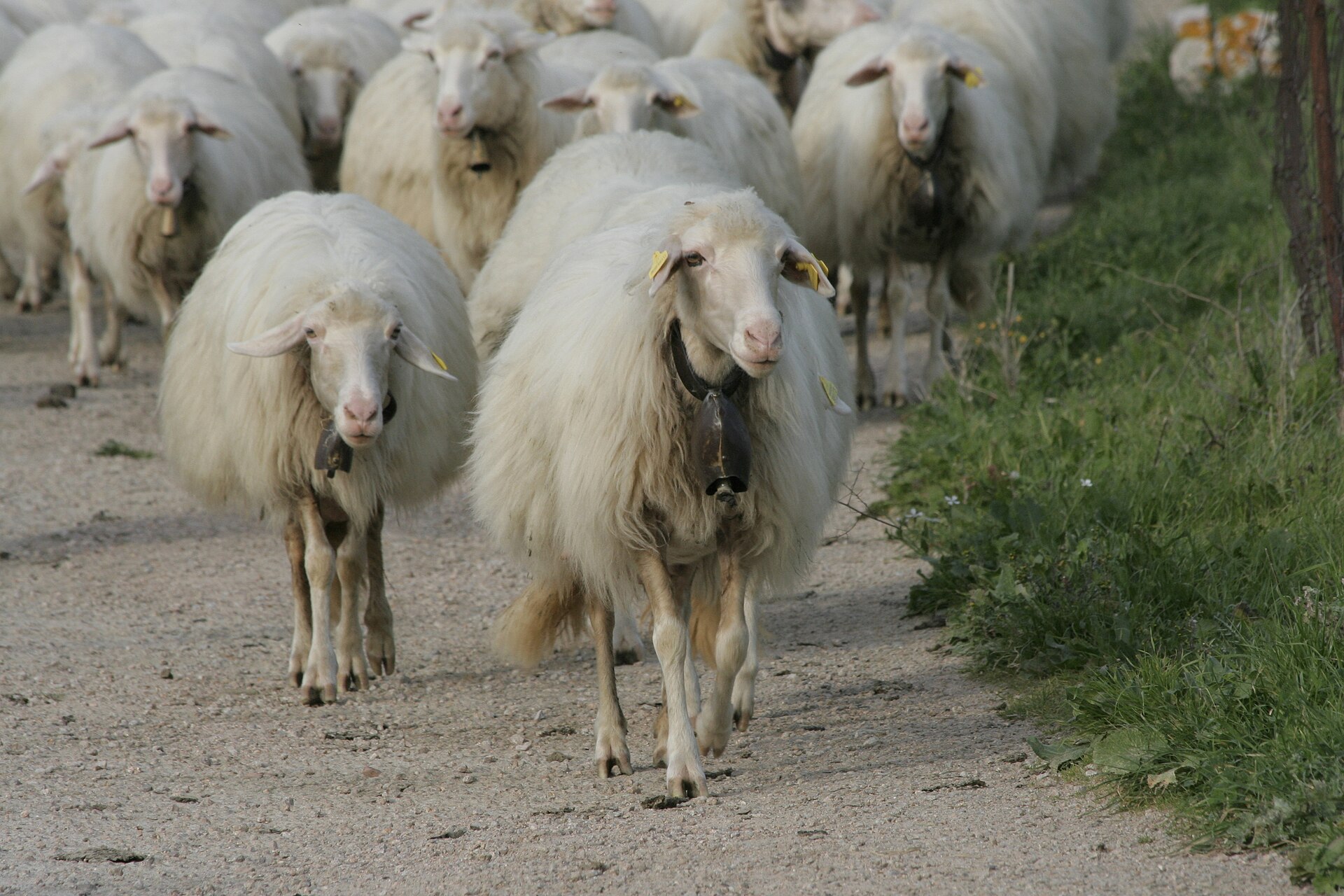
Talking about Sardinian cheese means talking about sheep, pastures and shepherds. Sardinia is the Italian region with the most sheep, almost three million head, and almost all the milk becomes cheese: from Pecorino Romano, which travels the world, to the smoked Fiore Sardo of the Barbagia shepherds, all the way to casu marzu, the most controversial of them all.
In this guide you will find the Sardinian cheeses to know, how to recognise them, how to eat them and where to taste them for real: in dairies, on farms, at lunch with shepherds and at village festivals. For each cheese we give you the villages it comes from and links to the Flavours pages and experiences on Ajò Sardegna.
Contents
Don’t let the farmer know how good cheese is with pears.
Traditional Italian proverb
Why Sardinian cheese is so special
In Sardinia sheep farming is a trade as old as the nuraghi. Flocks of Sarda sheep, a hardy breed and an excellent milker, graze outdoors almost all year round, among Mediterranean scrub, aromatic herbs and stubble. It is this fragrant, rich milk that gives Sardinian cheeses their character.
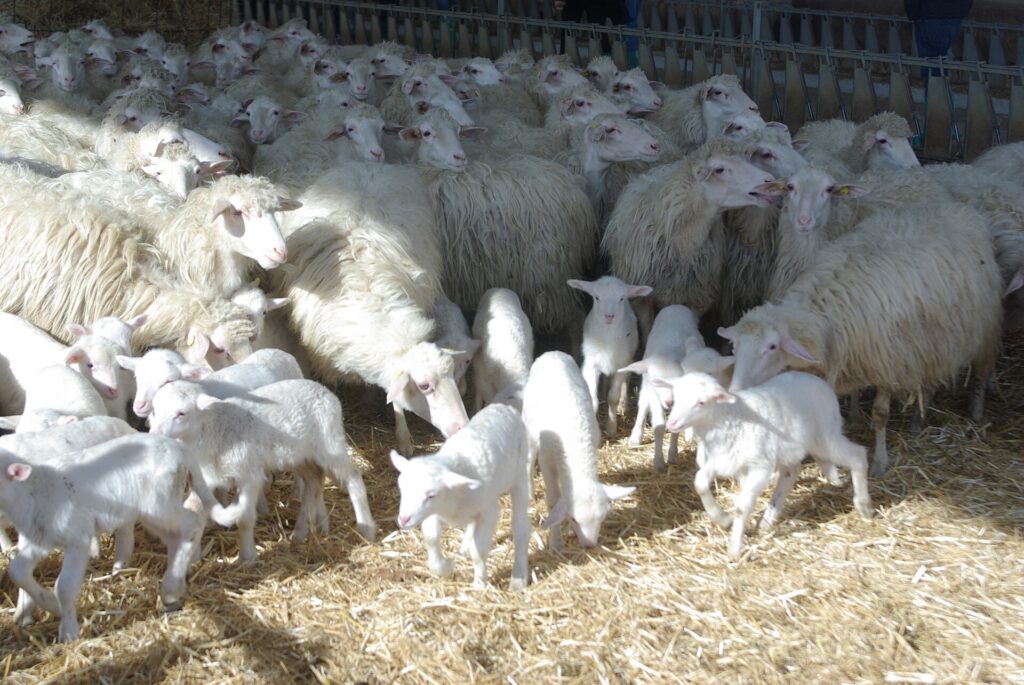
Three Sardinian cheeses have Protected Designation of Origin (PDO, DOP in Italian): Pecorino Romano, Pecorino Sardo and Fiore Sardo. Alongside the PDOs there is a whole galaxy of village cheeses, often made by a single family, that change from valley to valley: fresh, tangy, smoked, goat’s, cow’s, even matured inside a kid’s stomach.
- Milk: mostly sheep’s, then goat’s (Ogliastra, Barbagia) and cow’s (Montiferru, Gallura).
- Seasons: pecorino production is concentrated between winter and early summer, when the sheep give the most milk.
- Where to buy: directly from the farm, at municipal markets and at festivals.
A history thousands of years long
In Nuragic villages archaeologists have found perforated pots that were most likely used to drain the whey from the curd: a sign that cheese was being made in Sardinia more than three thousand years ago. For centuries cheese was the shepherds’ wealth and their currency, carried down to the valleys by donkey and sold in the ports.
Until a few decades ago every shepherd worked the milk alone, in the sheepfold or at home, with copper cauldrons, wood fires and moulds made of rush or wood. Then came the cooperatives and the big dairies, which today process most of the milk. But alongside the industry, a top-quality artisan production survives and is even reviving, often with raw milk, and it is well worth seeking out.
The bond between Sardinians and cheese is social too: cheese is given as a gift, brought to celebrations, offered to guests. Walking into a sheepfold and being offered a piece of pecorino with bread is still one of the most typical gestures of hospitality in inland Sardinia.
1. Fiore Sardo PDO, the shepherds’ cheese
Fiore Sardo PDO is the Sardinian cheese with the strongest identity. It is made with whole raw milk from Sarda sheep, curdled with lamb or kid rennet paste. The wheels, shaped like two truncated cones joined at the base with a rounded side known as a schiena di mulo (“mule’s back”), are smoked for one or two weeks over wood and shrubs from the scrub, then aged for months.
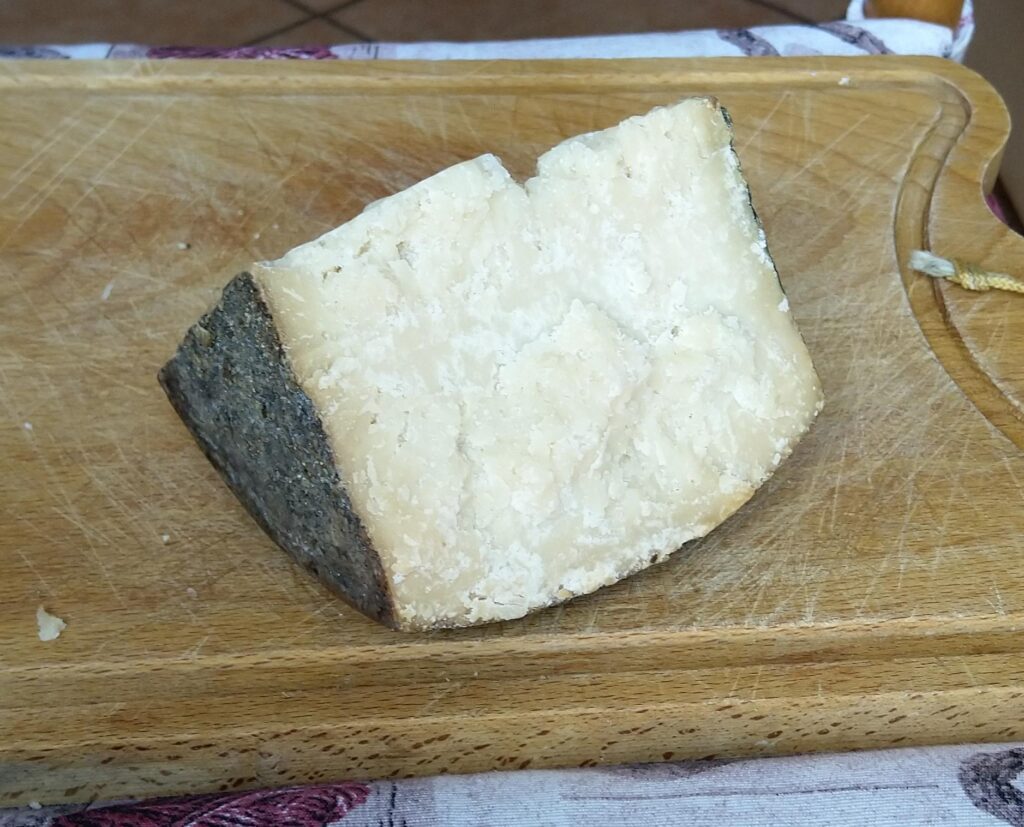
The heart of production is the Barbagia di Ollolai: Gavoi, Ollolai, Ovodda, Lodine, Fonni and Orgosolo. Here about twenty farmers belong to the Slow Food Presidium of Fiore sardo dei pastori (shepherds’ Fiore Sardo), which is still made in copper cauldrons, only from December to June.
- Young (for cooking, about 2 months): soft, used in fillings.
- Table (3–5 months): savoury, slightly sharp, with a scent of smoke.
- Grating (over 6 months): hard and intense, perfect on pasta.
2. Pecorino Sardo PDO, mild or mature
Pecorino Sardo PDO is produced all over the island with whole sheep’s milk. It is the most versatile Sardinian cheese, because it comes in two very different versions:
- Dolce (mild), green label: aged 20 to 60 days, with a soft white paste and a delicate flavour. Excellent with bread and vegetables.
- Maturo (mature), blue label: aged over two months, with a firmer paste and a bold taste. Eaten in shavings or grated.
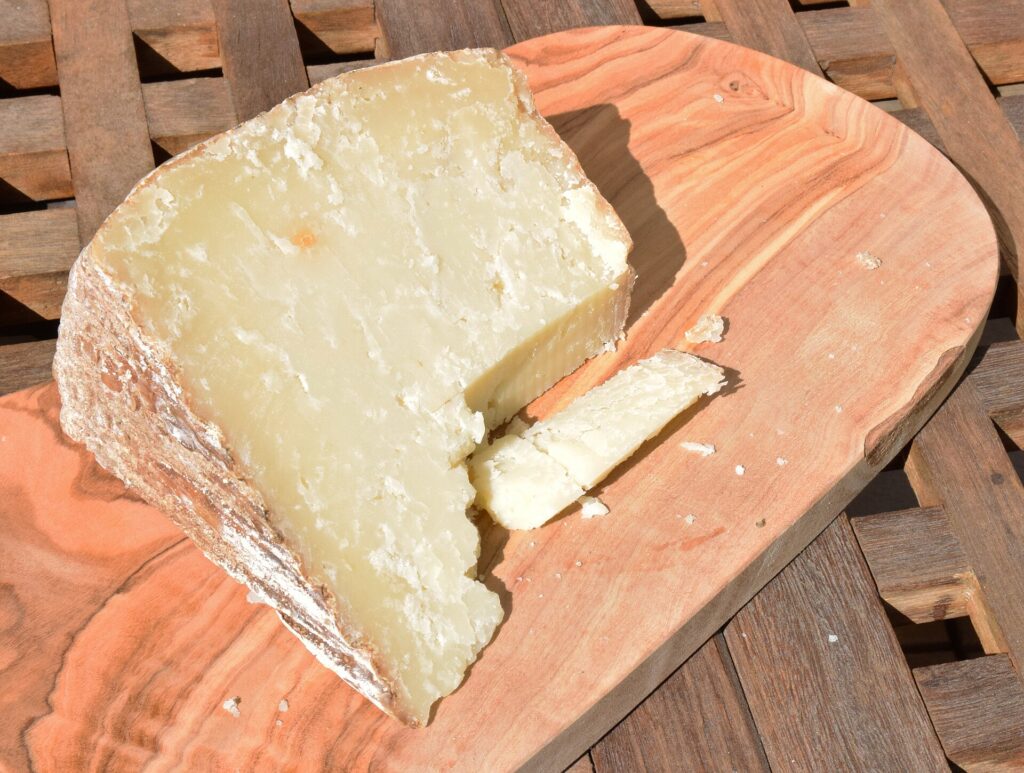
Mature Pecorino Sardo with a drizzle of strawberry-tree honey is one of the island’s best-loved pairings. The mild version, on the other hand, is perfect with pane carasau and a glass of fresh Vermentino.
3. Pecorino Romano PDO: Roman in name, Sardinian in fact
Pecorino Romano PDO is the oldest and most exported of the Sardinian cheeses. The production rules allow it to be made in Sardinia, Lazio and the province of Grosseto, but today the vast majority of wheels come from Sardinian dairies.
The wheels weigh 20 to 35 kilos (44 to 77 lb) and are salted for a long time, dry or in brine. They age for at least 5 months for the table version and 8 months for the grating version. The Pecorino Romano Consortium website tells its history and how it is made. In the kitchen it is the cheese of malloreddus Campidano-style and many sheep-meat sauces.
4. Casu marzu, the most controversial Sardinian cheese
Casu marzu is a pecorino left to ferment with the help of cheese fly larvae, which make its paste creamy, sharp, almost liquid. For many Sardinians it is a delicacy to share among friends, often served on pane carasau with a glass of robust red wine.
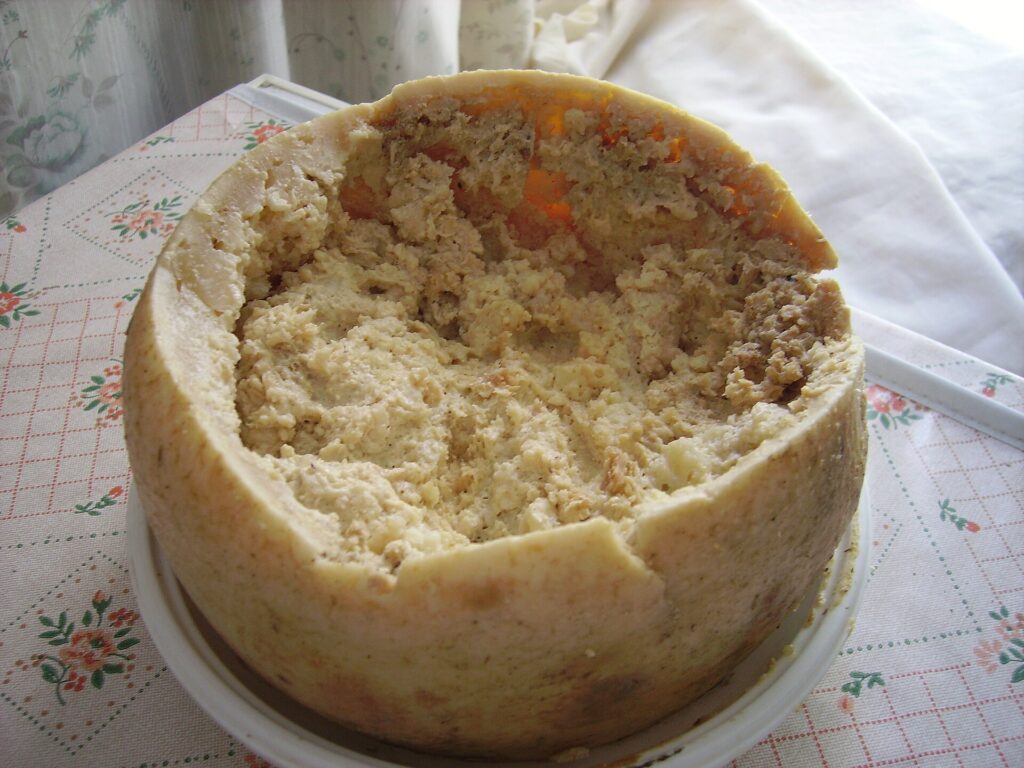
But beware: under European food hygiene rules, casu marzu cannot be sold. It has been listed among Sardinia’s traditional food products, but it remains a family cheese, one you taste if someone offers it to you. Do not look for it in shops, and be wary of anyone selling it to tourists.
5. Casizolu of the Montiferru, the women’s cheese
Casizolu is the exception among Sardinian cheeses: it is made from cow’s milk, from the Sardo-Modicana or Bruno-Sarda breeds raised free-range in the Montiferru mountains. It is a stretched-curd cheese shaped like a plump pear, with a smooth, shiny rind. In the past only women made it, and it was a mark of household skill.
Today it is a Slow Food Presidium. You will find it in Santu Lussurgiu, Seneghe, Cuglieri, Bonarcado and Paulilatino. If you are in Santu Lussurgiu in December, do not miss Artes e Sabores, on 12 and 13 December 2026, among craft workshops and local flavours.
Other Sardinian cheeses to look for
Beyond the PDOs the choice is huge, and every village has its pride. Here are the names to know as you go round dairies and markets:
- Pecorino di Osilo: a raw-milk pecorino made around Osilo, near Sassari, protected by a Slow Food Presidium.
- Casu axedu (or frue): a fresh, tangy sheep’s or goat’s cheese, eaten in the days after it is made. It is the base of many village recipes.
- Ricotta mustia: salted, smoked ricotta, typical of the centre of the island, good grated or sliced.
- Su callu de crabittu: milk curdled and matured inside a kid’s stomach. An ancient, very strong cheese, typical of the mountain areas.
- Ogliastra goat’s cheeses: fresh or aged goat’s cheeses, from Urzulei, Talana and Villagrande Strisaili.
- Peretta and fresa: cow’s milk cheeses, one stretched-curd and pear-shaped, the other soft and aged for a few weeks.
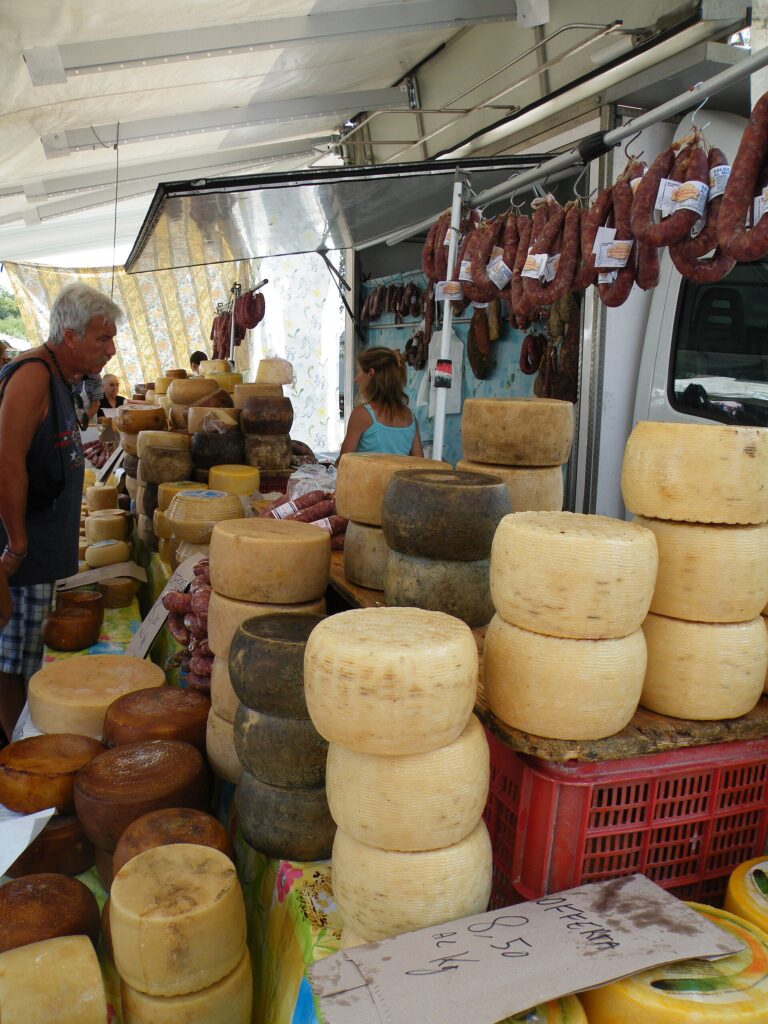
Ricotta deserves a special mention: fresh sheep’s ricotta is eaten still warm with sugar or honey, and it is the filling of many Sardinian desserts. On the farms you will find it freshly made early in the morning.
Sardinian cheeses in the kitchen
Sardinian cheese is the quiet star of many typical dishes. Here are a few to try, with their Flavours pages on Ajò Sardegna:
- Culurgiones from Ogliastra: ravioli sealed in a wheat-ear fold, with potato, pecorino or Fiore Sardo and mint.
- Seadas: large fried ravioli filled with fresh, tangy cheese, served with warm honey.
- Malloreddus Campidano-style: small gnocchi with sausage sauce and grated pecorino.
- Pane carasau with pecorino and olive oil: the shepherds’ snack, still today.
- Porceddu and aged cheeses: the classic festive menu.
If you want to get cooking, look for a cooking class to learn how to fold culurgiones or fry seadas, and browse all the food and wine experiences on the portal.
Pairings: wine, honey and bread
The cheeses of Sardinia are at their best with the island’s own produce. A few simple rules for a successful cheese board:
- Fiore Sardo and aged pecorinos: with a full-bodied red. Cannonau is the classic pairing, especially from the Barbagia around Mamoiada and Oliena.
- Mild pecorino and fresh cheeses: with Vermentino or Nuragus, fresh and savoury whites.
- Sharp cheeses: with bitter strawberry-tree honey or with pears, as the proverb suggests.
- Bread: carasau, guttiau or the local semolina loaf.
For a complete board, add dry sausage, olives and a jar of honey. Many wineries and tastings offer pairings with local cheeses.
Where to taste Sardinian cheese
The best way to get to know Sardinian cheeses is to go where they are made. On Ajò Sardegna you will find dairies and farms that open their doors to visitors, with milking, cheesemaking and tastings. It is a precious experience for children too: look at the educational farms.
Even more authentic is a lunch with shepherds: you eat outdoors, in the countryside, with bread, cheese, roast meat and wine, listening to the stories of people who live with their flocks. In Barbagia it is a very popular experience, especially around Orgosolo, Oliena and Mamoiada.
Finally, the festivals: during the Cortes Apertas of Autunno in Barbagia the villages open their courtyards and shepherds bring their cheeses. The last stops of 2026 are in Fonni from 6 to 8 December and in Orune, Seulo and Ortueri on 12 and 13 December. In Siligo, on 5 and 6 December, there is the Sartizza Sausage Festival, perfect for a board of sausage and pecorino.
A three-day Sardinian cheese itinerary
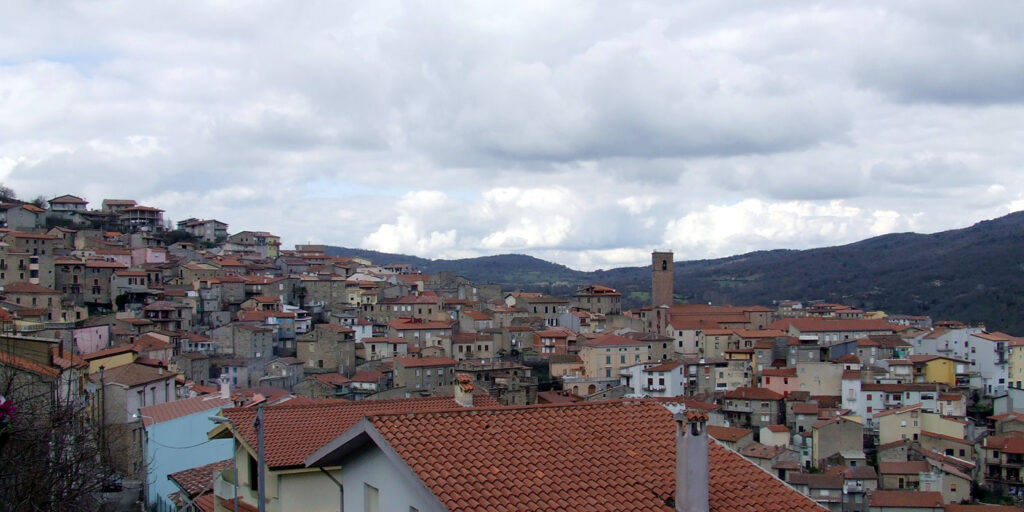
- Day 1, Barbagia: morning in Gavoi for Fiore Sardo and Lake Gusana, lunch with shepherds, evening in Nuoro with a dinner of culurgiones and aged cheeses.
- Day 2, Montiferru: Santu Lussurgiu and Seneghe for casizolu and extra virgin olive oil, stopping at Macomer on the way for a dairy visit.
- Day 3, North-West: Osilo for its pecorino, then Thiesi and the Meilogu, home of big dairies, and dinner in Sassari with a mixed board.
Along the way, stop at dairies open to the public: phone ahead, because many farms work early in the morning and stop in the afternoon.
Visiting a dairy: what to expect
A visit to a country dairy usually lasts a couple of hours. It often starts with the flock and the milking, which on small farms is still done early in the morning. Then you go into the workshop, where the milk is heated, curdled and cut, and you watch the wheels take shape.
The most anticipated part is the ageing cellar, with wheels lined up on wooden boards and the intense scent of pecorino. At the end there is almost always a tasting: cheeses of different ages, ricotta, bread and a glass of local wine.
- Times: to see the cheesemaking you need to arrive early, often by 9 am.
- Clothing: closed, comfortable shoes, because you walk through barns and fields.
- With children: choose farms that say they welcome them, where little ones can feed the lambs and try making ricotta.
How to buy Sardinian cheese and take it home
- Vacuum-packed: ask the producer to vacuum-pack the cheese, so it travels without problems even by plane.
- Fresh cheeses: ricotta and casu axedu should be eaten within a few days; they are not suitable for long journeys.
- Aged cheeses: Fiore Sardo, mature Pecorino Sardo and Pecorino Romano keep for a long time in a cool place, wrapped in cheese paper.
- Labels: for PDO cheeses, look for the Consortium mark on the rind or label.
Be wary of cheeses sold as artisan at very low prices, especially in tourist resorts. Real cheese has a cost, because behind it lies a shepherd family’s work all year round.
FAQ about Sardinian cheese
Which Sardinian cheeses have PDO status?
There are three: Pecorino Romano PDO, mostly made in Sardinia; Pecorino Sardo PDO, in mild and mature versions; and Fiore Sardo PDO, the raw-milk cheese of the Barbagia shepherds.
Is casu marzu legal?
Casu marzu is recognised as a traditional Sardinian food product, but European food hygiene rules forbid its sale. It is eaten within families or among friends and is not found in shops.
What is the difference between Pecorino Sardo and Fiore Sardo?
Fiore Sardo is made with raw Sarda sheep’s milk and lamb or kid rennet, and is lightly smoked. Pecorino Sardo can also use thermised or pasteurised milk, is not smoked and comes in mild and mature versions.
Where can you buy the best Sardinian cheeses?
Directly from dairies and farms, at city markets and at village festivals such as the Cortes Apertas of Autunno in Barbagia. Always ask to taste before you buy.
Taste Sardinian cheese with the people who make it
You only truly understand Sardinian cheese by tasting it where it is made, with the shepherd telling you how they work. On Ajò Sardegna you will find food and wine experiences, festivals and events all year round and local operators to contact directly, with no commission, in areas such as Barbagia and the Nuoro area. Not sure where to go? Write to Lia, the portal’s virtual assistant, and get ready to go home with a suitcase that smells of cheese. Ajò!
