Things to do in Laconi
Things to do in Laconi, Sardinia: Aymerich park and castle, the menhir statue museum, Saint Ignatius sites, woods, Trenino Verde, festivals and tips.
We are gathering the first experiences for this area. Check back soon, or tell us about an operator you know.
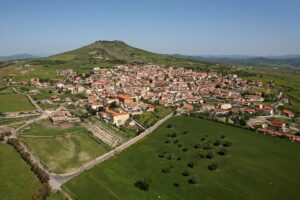
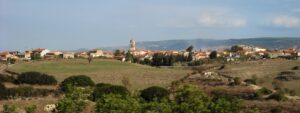
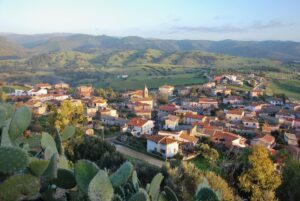
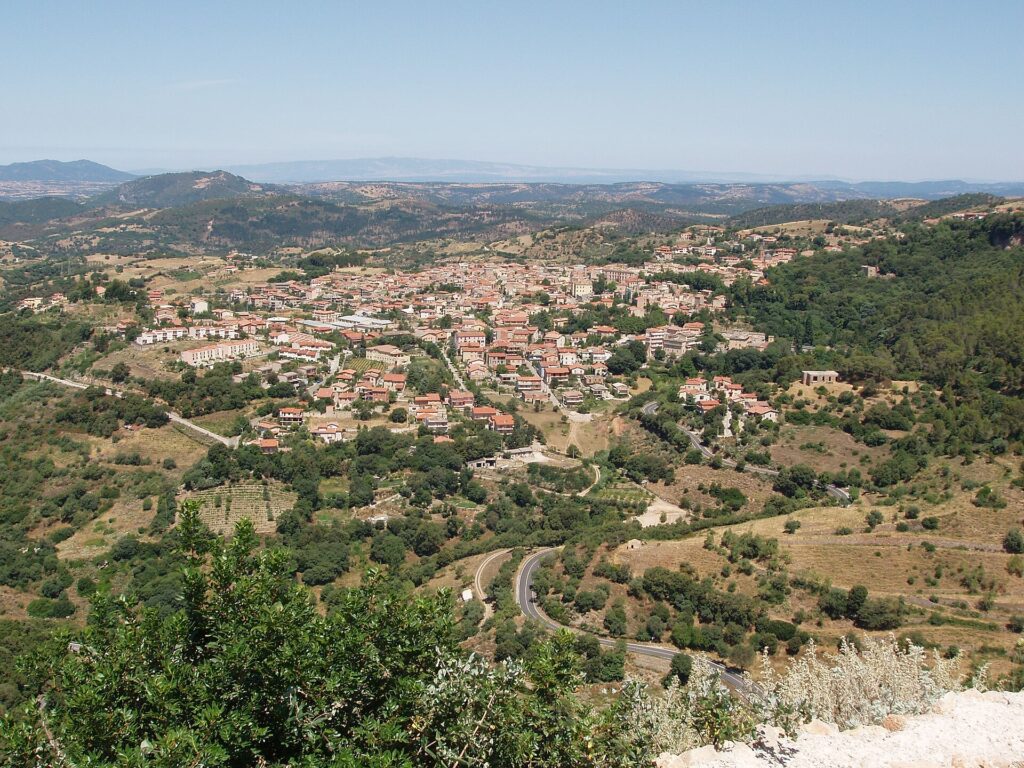
Laconi is a village in the Sarcidano, in the heart of Sardinia, stretched along a ridge between 500 and 600 metres high and surrounded by woods and springs. It's the birthplace of Saint Ignatius, Sardinia's most beloved saint, and it holds two treasures: Aymerich park, with its castle among waterfalls and ancient trees, and one of the most important museums of menhir statues in the Mediterranean. Awarded the Touring Club's Orange Flag, it's ideal for families, walkers, prehistory lovers and anyone looking for authentic inland Sardinia.
What to see in Laconi
Aymerich park and castle
A few steps from the centre lies Aymerich park, a large historic garden created by the marquises who once ruled the village. Among holm oaks, exotic plants and monumental trees such as a Lebanon cedar, a weeping beech and magnolias, paths lead to caves, streams, little waterfalls and ponds. At its heart stand the ruins of Aymerich castle with its medieval keep. It's a cool walk even in summer and great with children.
Museum of Prehistoric Statuary
In the old Aymerich palace in the centre, the Museum of Prehistoric Statuary in Sardinia displays about forty menhirs and menhir statues carved between the 4th and 3rd millennium BC, some very large, found around Laconi at sites such as Perda Iddocca and Pranu Maore. Their stylised figures, with faces, weapons and carved symbols, are among the island's oldest images of people. Pottery and objects in obsidian and metal complete the visit.
Saint Ignatius sites
The pilgrimage route includes the birthplace of Saint Ignatius, born here in 1701, the parish church dedicated to him and Saint Ambrose, and the Museum of Sacred Art, home to a rare wooden sculpture of the Infant Jesus asleep on a throne, attributed to late 16th-century Spanish art.
Funtanamela and the woods
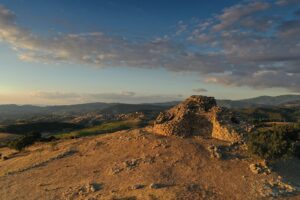
The area is rich in woods and dozens of springs. Funtanamela forest, up on the plateau, is a favourite for picnics and shady walks. Menhirs, rock-cut tombs and nuraghi are scattered across the countryside.
Things to do in Laconi
Laconi is a perfect base for slow travel. Go hiking in Aymerich park and the plateau woods, horse riding in a land tied to the ancient Sarcidano horse breed, or on archaeology walks among menhirs and rock-cut tombs. In autumn the area is known for truffles. In summer the Trenino Verde, the historic narrow-gauge railway, crosses the territory with stops at Laconi and Funtanamela, a slow and scenic way to discover the interior. Have a look at the experiences offered by local operators: you'll find them right below on this page.
History
Caves such as Leòri and Sa Spilunca Manna tell of the first hunter groups; in the Neolithic and Copper Age the menhir culture now on show in the museum flourished. Nuraghi followed, then Punic and Roman traces. The village appears in medieval records, linked to the powerful Lacon family. In modern times it was a fief of the Castelvì and then the Aymerich, marquises of Laconi, who built the palace and park. In 1701 Vincenzo Peis was born here; he became a Capuchin friar in Cagliari under the name Ignatius and was canonised in 1951.
What to eat and buy
Food is inland cooking: roast sausage and suckling pig, lamb, sheep's cheeses, home-baked bread and pane 'e saba, a sweet bread made with cooked grape must and offered at the Sant'Antonio festival. The woods yield mushrooms and truffles, and the January fair is the place to taste the village's traditional sweets.
Festivals and traditions
- Sant'Antonio Abate (eve of 17 January): great bonfires, the fogones, in several neighbourhoods, with roast sausage, wine and the call "Sant'Antò!" answered with "Toidò!".
- Carnival: the traditional mask of Is Corongiaios, revived after long neglect.
- Sarcidano horse show (late June), celebrating the ancient local breed.
- Sant'Ignazio (late August): the biggest festival, with thousands of pilgrims, a procession in traditional dress with horsemen, and the saint's statue on an ox-drawn cart.
- Ocraxus (end of the year): old houses and noble villas open their doors.
Nearby
- Giara of Gesturi, with its wild horses, about 25 minutes away.
- Su Nuraxi at Barumini, a UNESCO site, about half an hour.
- Isili, with Nuraghe Is Paras and Lake Is Barrocus.
- Nuraghe Arrubiu at Orroli, the "red giant", under an hour away.
Getting there and when to go
Laconi lies on the SS128, the Sarcidano road. From Cagliari, with its Elmas airport and ferry port, it's about an hour and a quarter by car; from Oristano about an hour. Spring and autumn are ideal for the woods and the park; summer, cooler than the coast thanks to the altitude, brings the Trenino Verde and the Sant'Ignazio festival; January is bonfire season.
FAQ
How long do I need for Laconi?
One day covers Aymerich park, the menhir museum and the Saint Ignatius sites. With two days, add the Giara or Barumini.
Is Laconi good for families?
Yes: Aymerich park, with ponds, caves and shady paths, is perfect for children.
When is the Saint Ignatius festival?
At the end of August, drawing thousands of pilgrims from all over the island. It's the liveliest time of year, but also the busiest.