Things to do in Samugheo
Samugheo, Sardinia: the MURATS textile museum, hand-woven rugs, the Castle of Medusa, Mamutzones carnival masks, Tessingiu fair and travel tips.
We are gathering the first experiences for this area. Check back soon, or tell us about an operator you know.
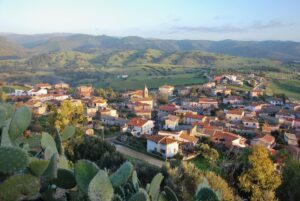
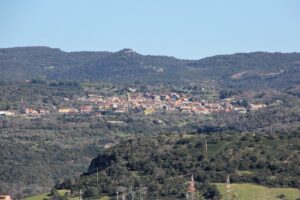
Samugheo is a hill village at about 370 metres above sea level in the province of Oristano, where the Mandrolisai area of Barbagia meets the Barigadu hills. All over Sardinia it is known as the capital of weaving: the loom is still part of daily life here, and there is a regional museum devoted to it. Around the village lie oak woods, springs, vineyards and rocky gorges, with a Byzantine castle wrapped in legend. It is the right place if you are looking for genuine craftsmanship, Barbagia traditions and nature off the beaten track.
What to see in Samugheo
MURATS, the Regional Museum of Sardinian Textile Art
On the edge of town, MURATS tells the story of Sardinian weaving in all its forms. The ethnographic section displays wooden looms and tools for spinning and dyeing; among its rarest pieces are the affaciadas, small tapestries once hung from windows during Corpus Christi, and several 18th-century tapinu de mortu, funeral rugs of which very few examples survive on the island. A visit shows you why Samugheo rugs are so highly prized.
The Castle of Medusa
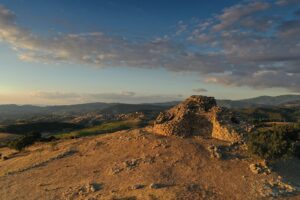
Hidden in a rocky gorge, the Castello di Medusa is a late Roman and Byzantine fortress, partly carved into the rock, with later phases up to the Middle Ages. Stretches of wall, a cistern and two towers remain. Legend speaks of a queen named Medusa and a ghost still haunting the ruins: the isolated, silent spot has a special atmosphere.
The church of San Basilio and the village
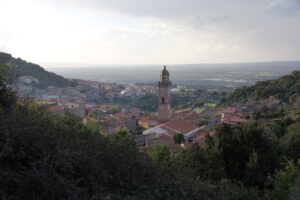
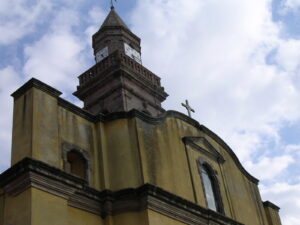
San Basilio was built as a vow to end a plague epidemic and completed in 1597; its bell tower was added in the 19th century. Walking around the village you will come across weaving workshops where you can watch artisans at the loom.
Archaeology
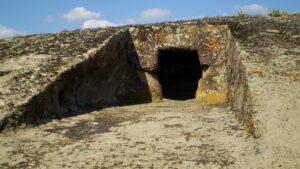
The area has been inhabited since the Neolithic, as shown by the domus de janas (rock-cut tombs) of Spelunca Orre. The Bronze Age left the Perda Orrubia nuraghe and the giants' tomb of Paule Luturu.
Things to do in Samugheo
- Visit a weaving workshop: watching a rug or tapestry take shape on the loom, perhaps trying it yourself, is the village's most authentic experience.
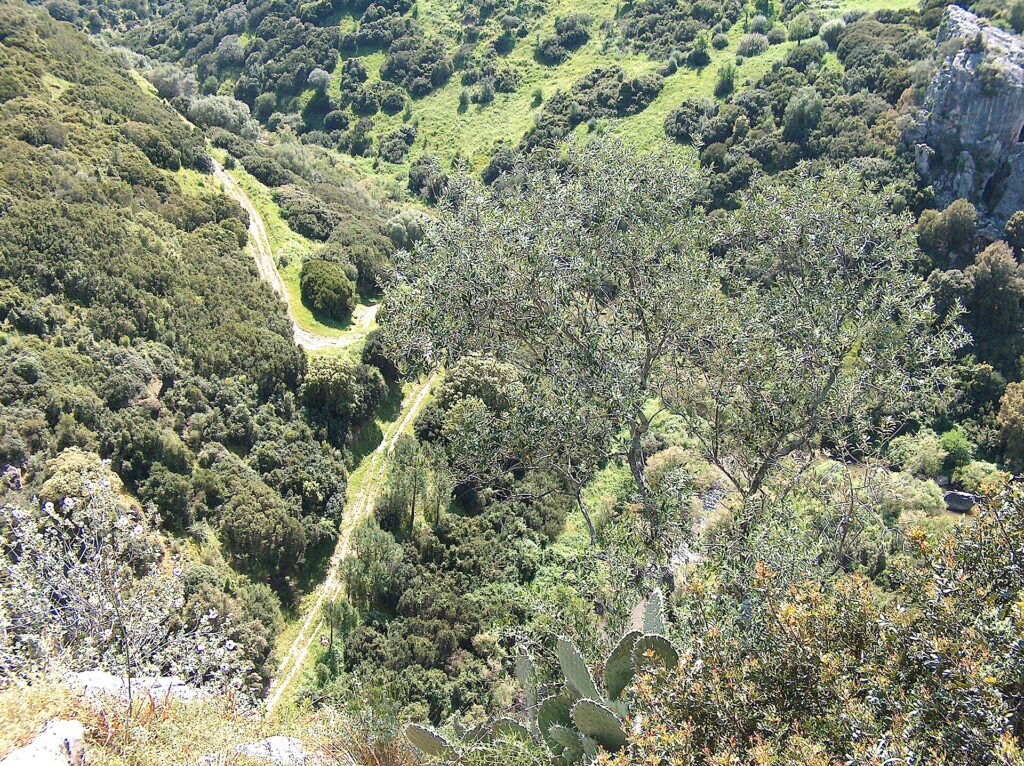
- Hike through woods and gorges: trails and dirt tracks wind through oaks, springs and rocks to the Castle of Medusa.
- Caving and excursions: several caves open up in the area, such as the Grotta dell'Aquila, explored with expert guides.
- Wine and flavours: tastings of local wines, cheeses and home-baked bread.
To experience Samugheo up close, from looms to trails, browse the activities offered by local operators just below.
History
After Neolithic and Nuragic communities, the area was frequented by Carthaginians and Romans, as the late Roman structures of the Castle of Medusa show. In the Middle Ages Samugheo belonged to the Judicate of Arborea, in the Mandrolisai district; it then passed to the Marquisate of Oristano and to the Aragonese. In 1711 it became part of the County of San Martino, and in 1839, with the end of feudalism, the village was redeemed.
Food and shopping
The souvenir par excellence is a hand-woven rug or tapestry, with the geometric patterns and colours typical of the village; you will also find blankets, cushions and traditional garments. At the table there is pecorino cheese, bread made the old way, olive oil and wine from local vineyards: simple, tasty shepherds' cooking.
Festivals and traditions
Carnival is the most spectacular time. In mid-January the bonfires of San Sebastiano open the season; then come the Mamutzones, masked figures in goatskins with cowbells and cork headdresses, an ancient fertility symbol, alongside the Minchilleo, a mocking, irreverent character. The A Maimone parade gathers masks from all over Barbagia and draws large crowds. At Corpus Christi the affaciadas are displayed, and in summer, usually in August, the village hosts Tessingiu, the long-running textile crafts fair, the most important on the island. In autumn there is a festival devoted to bread.
Nearby
- Lake Omodeo: the large lake on the Tirso river, with green shores and canoe trips.
- Atzara: a Mandrolisai village known for its wine and modern art museum.
- Laconi: the Aymerich park and the menhir museum.
- Paulilatino and Santa Cristina: the famous Nuragic sacred well, under an hour's drive away.
Getting there and when to go
Samugheo is reached from the SS131 highway, turning off towards the Barigadu and continuing on provincial roads through the hills. The most convenient airport is Cagliari, about an hour and a half by car; Alghero and Olbia are further away. The main ferry ports are Cagliari and Olbia. Come at Carnival for the masks, in spring for woods and trails, or in summer for Tessingiu; the altitude keeps summer evenings pleasantly cool.
Frequently asked questions
What is Samugheo famous for?
Weaving: hand-made rugs and tapestries, the MURATS museum and the Tessingiu fair make it Sardinia's best-known textile centre. It is also famous for its Mamutzones carnival masks.
When can I see the Mamutzones?
During the Carnival period, especially at the A Maimone parade, which brings together traditional masks from many villages.
How much time do I need in Samugheo?
One day is enough for the museum, a weaving workshop and the Castle of Medusa; a weekend lets you add hikes and nearby villages.