Things to do in Sant'Anna Arresi
Sant'Anna Arresi and Porto Pino, Sardinia: white-sand beaches, dunes, flamingo lagoons, the Arresi nuraghe and a famous jazz festival.
We are gathering the first experiences for this area. Check back soon, or tell us about an operator you know.
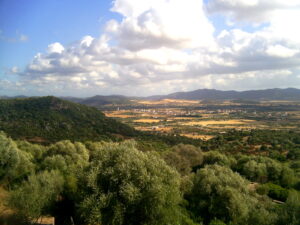
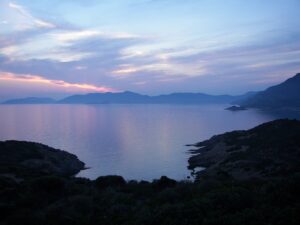
Sant'Anna Arresi is a small village in the Basso Sulcis, in south-west Sardinia, set on a hill overlooking the sea, the coastal lagoons and the headland of Porto Pino, its seaside hamlet. Here you will find one of the best-loved beaches in southern Sardinia: kilometres of pale sand, a rare pine forest and shallow, crystal-clear water. It is perfect for families, nature lovers and anyone looking for stunning sea away from the busiest resorts, with a Bronze Age tower in the main square and an internationally renowned jazz festival thrown in.
What to see in Sant'Anna Arresi
The Arresi Nuraghe and the church of Sant'Anna
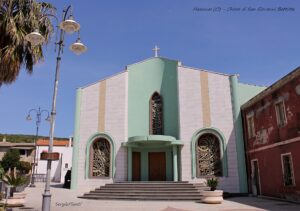
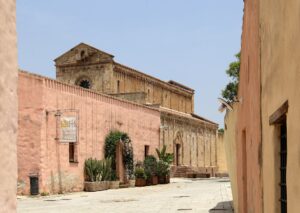
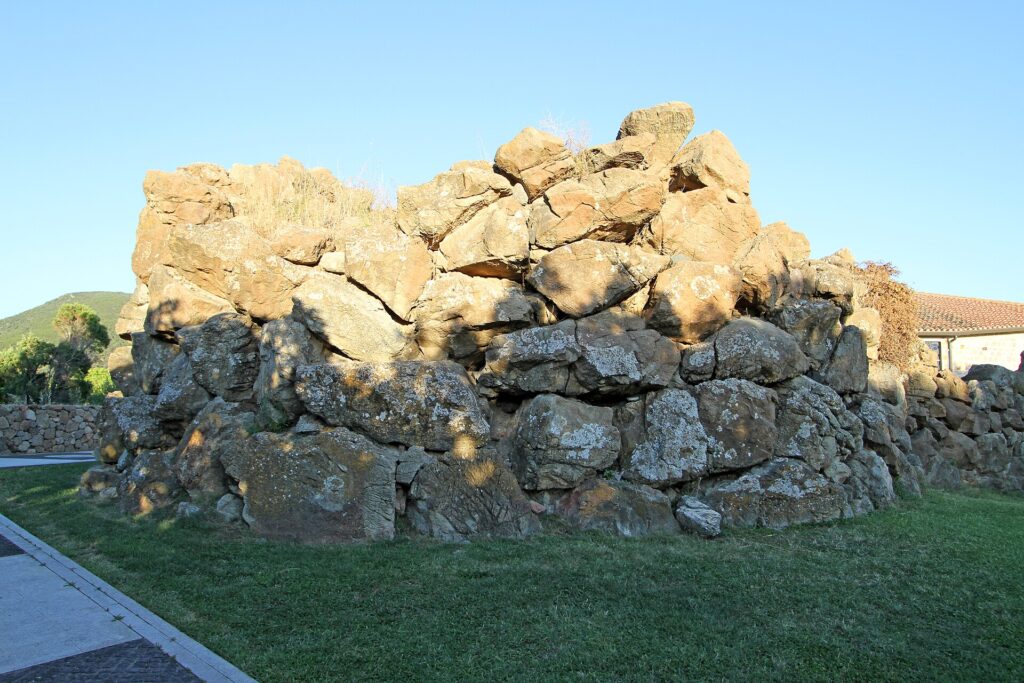
In the heart of the village, in the square named after it, stands the well-preserved Nuraghe Arresi, a stone tower of Sardinia's Bronze Age Nuragic civilisation, next to the little church of Sant'Anna. It was around this country chapel that shepherds and farmers refounded the village in the late 1700s; today a new parish church stands beside it.
Porto Pino and its pine forest
The Porto Pino headland is covered by a natural forest of Aleppo pine, a species very rare in Sardinia, found almost only here and on the island of San Pietro, along with junipers and Mediterranean scrub. A narrow belt of pines separates the beach from the lagoons behind it.
The lagoons and the flamingos
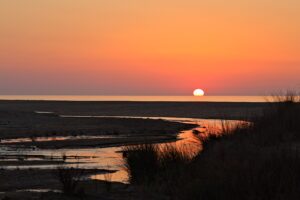
Behind the sand bar lie five connected lagoons (Porto Pino, Maestrale, Is Brebeis, Corvo and Foxi). They are traditional fishing grounds and ideal places to watch pink flamingos, little egrets, kingfishers and other water birds, especially in the cooler months. The channel linking the lagoons to the sea doubles as the fishermen's harbour.
Things to do in Sant'Anna Arresi
In Porto Pino summer is all about the water: shallow seabeds perfect for children, snorkelling over seagrass meadows and rocky coves, kayak and SUP outings and, on windy days, sailing sports. Along the rocky coast north of the harbour you can explore wild little inlets such as Porto Pineddu, Cala dei Francesi and Cala dei Baci, with its sea cave, by boat or on foot. The lagoons are a paradise for birdwatching and sunset walks, while the pine forest and countryside are great for hiking, cycling and horse riding. In late summer you can catch jazz concerts beneath the nuraghe. Scroll down: just below you will find the activities offered by local operators, from boat trips to nature experiences.
Beaches of Sant'Anna Arresi
Porto Pino's first beach
The beach closest to the car parks and services, about half a kilometre long, with shallow, calm water: the easiest choice for families with small children.
The second beach
Almost two kilometres of fine white sand, shared with the municipality of Teulada, with pines behind and Caribbean-coloured water. It is quieter than the first, especially in the central stretch away from the access points.
The white dunes
At the southern end are the famous snow-white dunes of Is Arenas Biancas (the white sands), in Teulada's territory and inside the Capo Teulada military range: they are open only in summer. The dunes are a protected area: reach the beach along the marked paths and do not climb on the sand.
History
The area has been inhabited since the Nuragic age, as its many nuraghi show. The Porto Pino inlet was a landing place for Phoenicians and Carthaginians and an active trading port in Roman times. Later, raids by Barbary pirates drove people away from the coast. Only in the late 18th century did farmers and shepherds return to live around the chapel of Sant'Anna, founding today's village. The name Arresi means fox in Campidanese Sardinian, which is why a fox appears on the town's coat of arms. In the 20th century tourism at Porto Pino changed the local economy, adding the beach to farming and lagoon fishing.
What to eat and buy
Local food blends sea and countryside: lagoon fish such as grey mullet, grilled fish, pecorino and Sulcis meats, and bread baked in wood-fired ovens. This is Carignano del Sulcis country, the best-known red wine of south-west Sardinia, a great match for meat dishes. To take home: wine, olive oil, honey and cheese from local producers.
Festivals and traditions
- Sant'Anna, the patron saint, on 26 July, with a procession and folk groups in traditional Spanish-influenced costumes.
- Fish festival, in August, with fish fried in a giant pan in the square.
- Ai confini tra Sardegna e Jazz (On the borders between Sardinia and Jazz), in late summer, one of Italy's leading jazz festivals, which has brought world-famous musicians to Piazza del Nuraghe for decades.
Nearby
- Teulada and the Capo Malfatano coast, with beaches such as Tuerredda, about 40 minutes' drive away.
- The island of Sant'Antioco, linked by a causeway, about 30 minutes away.
- The Is Zuddas Caves in Santadi, about 25 minutes away.
Getting there and when to go
The nearest airport is Cagliari-Elmas, about an hour and a quarter's drive away; Cagliari is also the most convenient ferry port. The SS 195 coastal road between Cagliari and the Sulcis runs through the village. For the beach the best time is June to September; June and September are less crowded and ideal for families. Spring and autumn are perfect for hiking and birdwatching.
FAQ
How do you reach the Porto Pino dunes?
The white dunes are inside the Capo Teulada military range and open only in summer, reached by walking along the second beach or the marked paths. Walking on the dunes is not allowed.
Is Porto Pino good for families?
Yes, it is one of the most child-friendly beaches in southern Sardinia: shallow water, fine sand and services near the first beach.
How many days do I need for Sant'Anna Arresi?
Two or three days let you enjoy Porto Pino and visit Sant'Antioco, Teulada and the Santadi caves at a relaxed pace.