Things to do in Fordongianus
Things to do in Fordongianus, Sardinia: Roman baths of Forum Traiani with 56°C springs, the Casa Aragonese, San Lussorio, red trachyte village and spa.
We are gathering the first experiences for this area. Check back soon, or tell us about an operator you know.
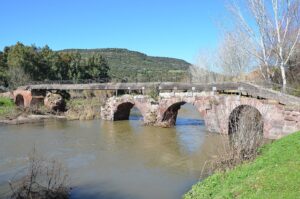
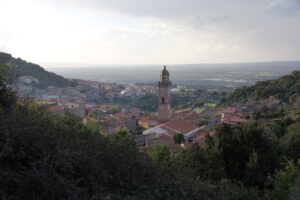
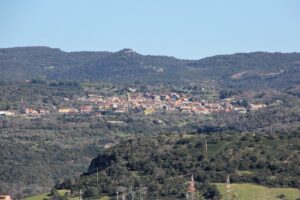
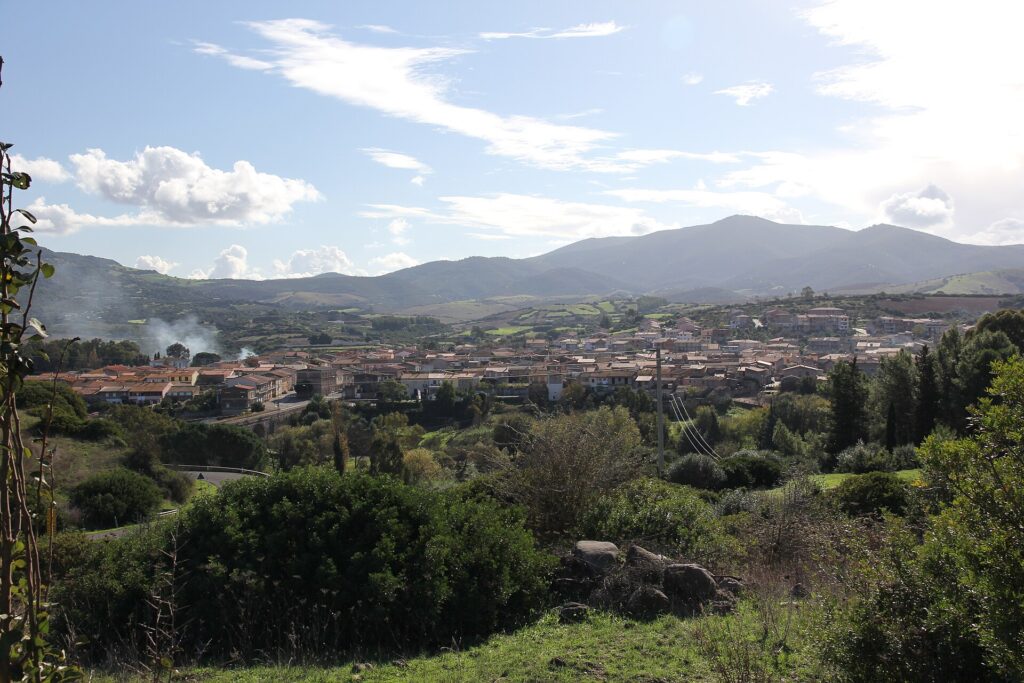
Fordongianus is a small village in the Barigadu area, inland from Oristano, sitting on the bank of the Tirso river about half an hour's drive from the city. It is famous for its Roman baths, where hot water still gushes out at around 56°C, and for houses built of red trachyte stone that give the centre a warm, unmistakable colour. It's an ideal stop for lovers of archaeology, thermal wellness and quiet villages, and pairs well with a beach holiday on the Sinis coast.
What to see in Fordongianus
The Roman baths
On the banks of the Tirso lie the remains of the baths of Forum Traiani, the ancient Roman town beneath today's village. Built in the 1st century AD, they include a large rectangular pool, rooms for hot, warm and cold bathing, traces of mosaics and a sacred space dedicated to the nymphs. Two statues of Bes, a god of health, recall the healing powers attributed to the water. Right next to the site, hot water still flows from the rock: a rare sight linking two thousand years of history.
The Casa Aragonese
In the old centre stands the Casa Aragonese ("Aragonese House"), a residence built between the late 16th and early 17th century with a loggia on red trachyte columns and Catalan Gothic windows. Lived in until 1978, it is now partly a museum hosting exhibitions and events.
The Church of San Lussorio
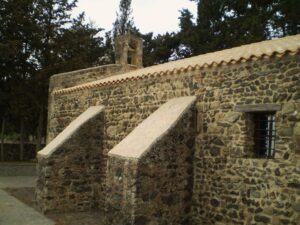
Just outside the village, the Romanesque church of San Lussorio was built around 1100 over an early Christian crypt linked to the martyr's cult. It is surrounded by muristenes, small houses where worshippers stay during the festival. The remains of a Roman amphitheatre have also been found nearby.
The trachyte village and nuraghi
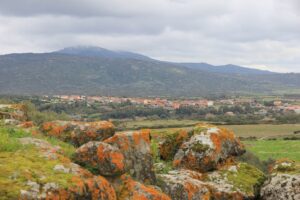
Strolling the streets you'll notice the red stone houses and the parish church of San Pietro Apostolo, also in trachyte. The area has several nuraghi (Bronze Age stone towers), including Casteddu Ecciu, and rock-cut tombs such as those of Gularis.
Things to do in Fordongianus
The top experience is thermal wellness: the hot, mineral-rich water also feeds a modern spa where you can relax in any season. Then there are guided tours of the archaeological area, which bring the Roman site to life, and walks along the Tirso and through countryside planted with vineyards and orchards. If you're curious, you can see local stonemasons at work, still turning trachyte into architectural and decorative pieces.
Take a look below at the experiences offered by local operators: tours, outings and activities to discover Fordongianus with the people who live it every day.
History
The area was already inhabited in the Nuragic age. The Romans founded a fortified settlement on the Tirso, later called Forum Traiani: a market place and point of contact with the peoples of the interior, recorded in ancient itineraries and famous for its hot springs. In the 5th century it was a bishop's seat. In the Middle Ages it belonged to the Judicate of Arborea, then to the Marquisate of Oristano and the Crown of Aragon; in 1790 it was granted as a fief to the Manca family, until it was redeemed in 1839. The village was the birthplace of Juanninu Fadda, a well-known improvising poet in the Sardinian language.
What to eat and buy
The food is that of inland Oristano: handmade pasta, roast meats, pecorino cheeses and almond sweets. The most typical souvenir, though, is trachyte, the red, pink, green and grey stone quarried nearby and carved by local craftspeople into small objects and decorations.
Festivals and traditions
The most heartfelt festival is that of San Lussorio in late August: the muristenes around the church fill with worshippers and families, with religious celebrations, music and shared meals.
Nearby
- Lake Omodeo and Ghilarza: the great reservoir and Antonio Gramsci's house museum, about 25 minutes away.
- Santa Cristina at Paulilatino: the famous Nuragic sacred well.
- Busachi: a neighbouring village known for its traditional costume.
- Oristano: the provincial capital, with its old town and the Sartiglia.
Getting there and when to go
Fordongianus is about half an hour by car from Oristano, along the SS388 road up the Tirso valley. The nearest airport is Cagliari-Elmas, about an hour and a quarter away. Thanks to the hot springs it's a year-round destination: in winter the warm water is even more enjoyable, while spring and autumn are perfect for walks.
FAQ
Can you bathe in the Roman baths of Fordongianus?
No, the Roman baths are an archaeological site to visit; for a soak in thermal water there's the modern spa nearby.
How long do you need in Fordongianus?
Half a day covers the baths, the Casa Aragonese and the centre; add a spa treatment and make it a full day.
Is Fordongianus good for families?
Yes: the archaeological area is easy to visit, and children are fascinated by the hot water pouring from the rock.