Things to do in Villanova Truschedu
Things to see in Villanova Truschedu, Sardinia: the Santa Barbara nuraghe and village, San Gemiliano sanctuary, murals and the Tirso valley.
We are gathering the first experiences for this area. Check back soon, or tell us about an operator you know.
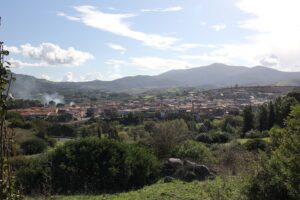
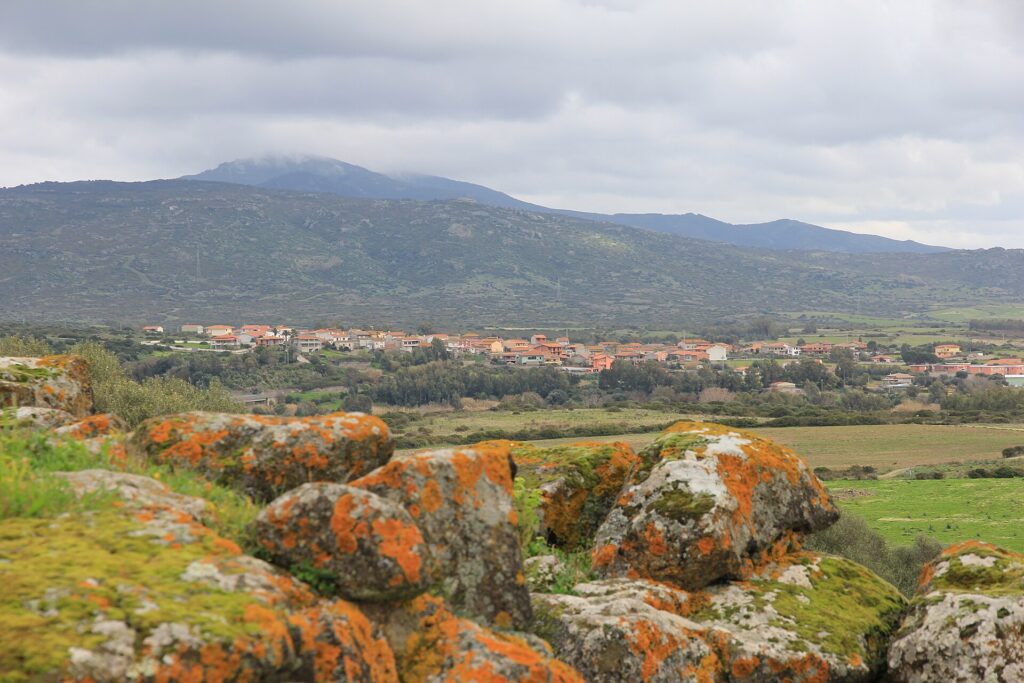
Villanova Truschedu is a tiny village of about 300 people in the Barigadu, on the banks of the Tirso, less than 20 km from Oristano and minutes from Fordongianus. Its treasure is the Santa Barbara nuraghe, with one of the largest chambers in Sardinia, surrounded by a Nuragic village and Roman remains. It's a perfect stop for archaeology lovers and for anyone seeking the calm of small inland villages.
What to see in Villanova Truschedu
Santa Barbara nuraghe
The complex has a main tower with an added block, a courtyard and a secondary tower. The main tower's chamber is almost 7 metres across at the base, among the widest on the island; both chambers keep their tholos, the typical Nuragic corbelled dome, almost intact. Around it spreads a village of huts grouped around courtyards, enclosed by a wall of large blocks covering about a hectare. To the south-west are the remains of a Roman and early medieval settlement. Some finds from the digs are displayed at the Nuraghe Losa complex in Abbasanta.
Sanctuary of San Gemiliano
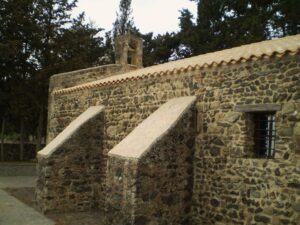
A late Romanesque church surrounded by muristenes or cumbessias, the little houses where pilgrims stay during the novenas.
Old centre and murals
The old core, called Ruinas, grew around the parish church of Sant'Andrea. In the streets you'll find farmhouses with rear courtyards and several murals telling the village's history and traditions.
Things to do in Villanova Truschedu
Besides Santa Barbara, you can seek out the area's other nuraghi, such as Zoppianu, Dominigu Porru and San Gemiliano, and walk in the Tirso valley and the hills around the village. Book lovers can spot places from Flavio Soriga's novel Sardinia Blues, partly set here. Just below you'll find experiences offered by local operators: guided visits, excursions and activities in the Barigadu.
History
The area was already inhabited in the Neolithic and has many nuraghi. The name may come from truiscu, a plant from the nearby hills once used to groom donkeys and horses. In the Middle Ages the village belonged to the Giudicato of Arborea, in the Parte Barigadu district; after 1478 it became an Aragonese fief, and in 1829 it was granted to the Manca Ledà family, who joined it with Fordongianus in the County of San Placido, until feudal rights were bought out in 1839.
Food and local products
The village coat of arms, with a sheep, ears of wheat and a wild olive, sums up the traditional economy: sheep farming, cereals and olives. Around here you'll find cheeses, olive oil and wine from the Tirso valley.
Festivals and traditions
- San Gemiliano: in September, with novenas at the country sanctuary.
- Sant'Andrea: the patron saint's feast in late November.
Nearby
- Fordongianus (about 4 km): the Roman baths of Forum Traiani, the Casa Aragonese and San Lussorio.
- Ollastra: the churches of San Marco and San Costantino.
- Allai: the Roman bridge and the Pranu Orisa menhirs.
- Abbasanta: Nuraghe Losa.
Getting there and when to go
From Oristano it's about 20 minutes along the road to Simaxis and Fordongianus. The handiest airports are Cagliari-Elmas (about an hour and a half by car) and Alghero (about an hour and a half). Spring and autumn are ideal for archaeological sites without the summer heat.
FAQ
How long do I need for the Santa Barbara nuraghe?
Allow about an hour for the complex and village; combine it with the Fordongianus baths.
Is Villanova Truschedu good for children?
Yes: the nuraghe, with its chambers and village, is a real adventure for kids.
Where to stay near Villanova Truschedu?
Nearby Fordongianus has several places to stay, just a few kilometres away.