Things to do in Soddì
Things to see in Soddì on Lake Omodeo: a petrified forest, Nuraghe Crastu, canoeing and birdwatching in central Sardinia.
We are gathering the first experiences for this area. Check back soon, or tell us about an operator you know.
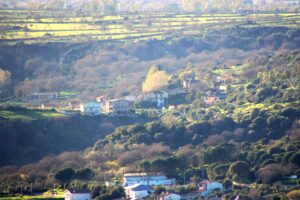
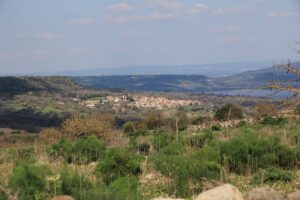
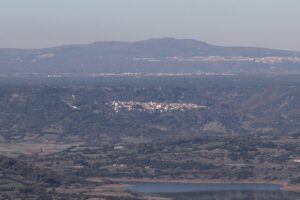
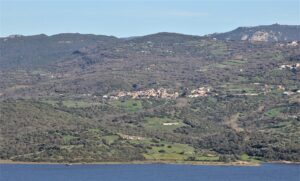
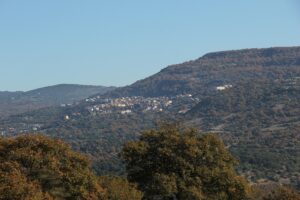
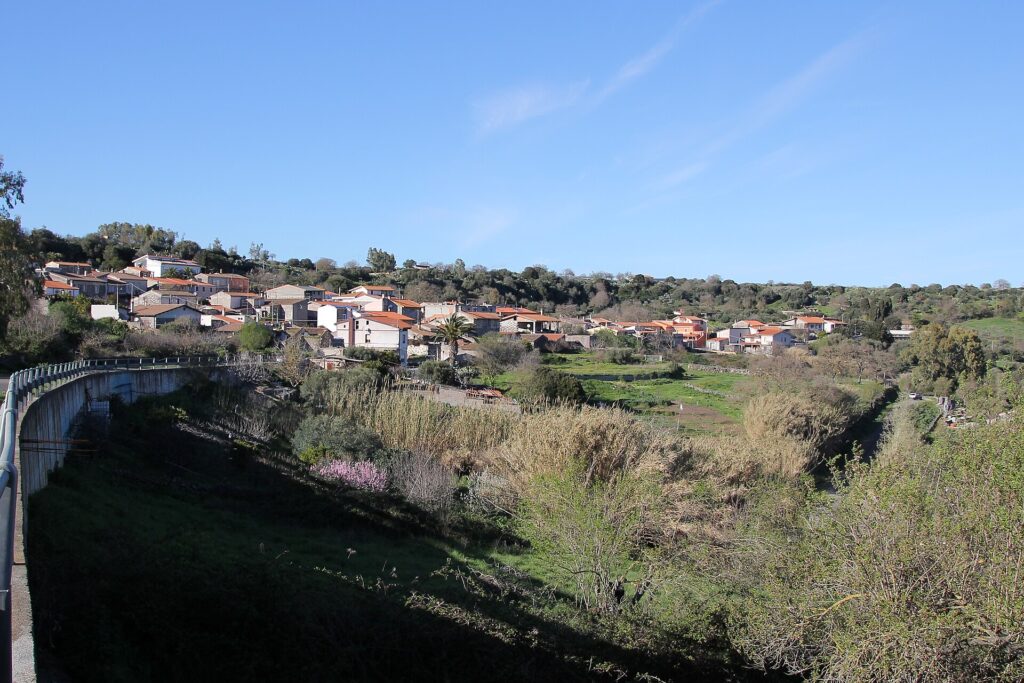
Soddì is a small village of just over a hundred people, at about 250 metres, looking down on Lake Omodeo between the Guilcer and Barigadu districts. It guards one of Sardinia's most surprising natural curiosities: a petrified forest millions of years old, whose trunks re-emerge from the water in dry spells. It is a great stop for anyone into geology, nuraghi and lakeside nature, far from mass tourism.
What to see in Soddì
The petrified forest
In the Miocene, a forest of tropical trees was buried by volcanic material and slowly turned to stone. Today most trunks lie under the lake and reappear when the level drops; some are displayed by the little country church of Santa Maria Maddalena, where you can see them up close all year round.
Nuraghe Crastu and other nuraghi
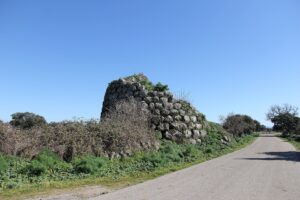
The area has many nuraghi, the Bronze Age stone towers of Sardinia: the most important is Nuraghe Crastu, along with Aurù, Corona, Pajolu and Sant'Anastasia. There are also domus de janas rock-cut tombs, giants' tombs and Punic-Roman finds such as cinerary urns, pottery and coins.
Church of the Spirito Santo
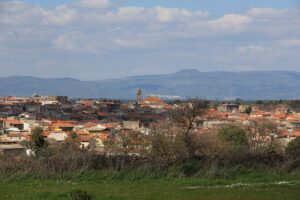
The parish church stands in the heart of the village, among stone houses overlooking the valley.
Things to do in Soddì
Lake Omodeo, a protected EU nature site, is perfect for shoreline walks, canoe or kayak trips and birdwatching: herons, ducks, tortoises and peregrine falcons live here. Basalt hills covered in holm oak, downy oak and scrub are great on foot or by bike. When the water is low, a guided outing is the best way to see the fossil trunks surface. Scroll down for experiences from local operators and book yours.
History
Settled since Nuragic times, in the Middle Ages Soddì was an important centre of the Guilcer district in the Giudicato of Arborea. After the Aragonese conquest it was given as a fief and then followed the fortunes of the marquisate of Sedilo until 1839. In 1927 it was merged into Ghilarza and in 1979 it became independent again.
Food and shopping
Livestock farming drives the economy, so expect meat, sheep's cheese and the farming and shepherding dishes of the Guilcer. Village festivals are the best time to taste local produce.
Festivals and traditions
- Sant'Isidoro: late April.
- Sagra de su Cazau: between April and May.
- Santa Maria Maddalena: late July, at the chapel by the fossil trunks.
- Spirito Santo, the parish feast: mid-October.
- Sos Donos de su Lagu ("gifts of the lake"): December.
Nearby
- San Pietro di Zuri, a Romanesque church moved uphill when the lake was created.
- Ghilarza, with Casa Gramsci.
- Tadasuni and Boroneddu, small lakeside villages.
- Nuraghe Losa in Abbasanta.
Getting there and when to go
Soddì is about 40 km from Oristano and a few minutes from the SS131 highway (Abbasanta exit). Alghero and Cagliari airports are about an hour and a half by car; the nearest station is Abbasanta. Spring is ideal for nature; late summer and autumn, when the lake is lower, are the best time to see the fossil forest.
FAQ
When can you see Soddì's petrified forest?
The trunks displayed near Santa Maria Maddalena are visible all year; those in the lake only emerge when the water is low.
How long do I need in Soddì?
A couple of hours for the village and fossil trunks; half a day with a lake outing.
Is Soddì good for kids?
Yes: stone tree trunks and lake wildlife fascinate young visitors.