Things to do in Allai
Things to see in Allai, Sardinia: the Roman bridge over the Massari, the Holy Spirit church, the Pranu Orisa menhirs and hikes on Monte Grighine.
We are gathering the first experiences for this area. Check back soon, or tell us about an operator you know.
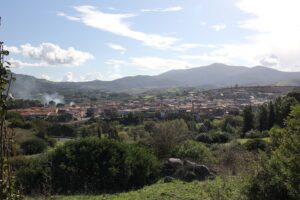
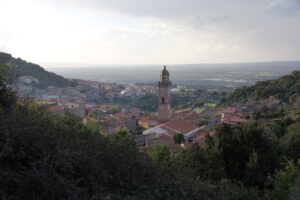
Allai is a small village in the Barigadu, inland from Oristano, about 40 km away by road. It lies in the valley of the Massari stream, a tributary of the Tirso, at the foot of Monte Grighine, among hills covered in Mediterranean scrub. It has fewer than 400 residents but boasts a Roman bridge, a Catalan Gothic church and one of Sardinia's most important groups of menhirs: perfect if you love archaeology, nature and authentic villages.
What to see in Allai
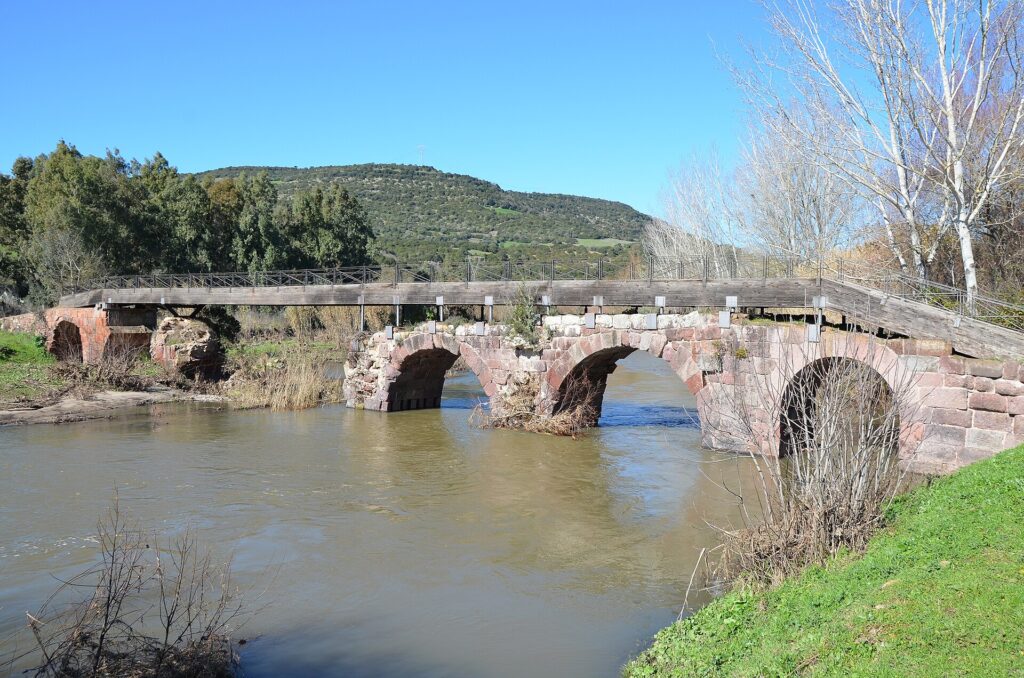
The Roman bridge, Ponti Ecciu
A few hundred metres from the village, this red trachyte bridge over the Massari was the main route from Forum Traiani (Fordongianus) into the interior. It was restored in 1157, under Barisone I, judge of Arborea, and stayed in use until the early 1900s. Close by is the Ponte Nou, built in the 1920s.
Church of the Holy Spirit
Built in red trachyte between the late 1500s and early 1600s in Catalan Gothic style, the parish church has a single nave with side chapels and an 11th-century holy water font. On the edge of the village, the little church of the Madonna del Rimedio keeps a wooden Madonna from the vanished village of Loddu.
The menhirs of Pranu Orisa
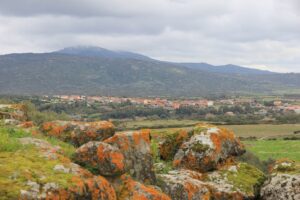
On the Pranu Orisa plateau stands an important group of menhirs, the perdas fittas (standing stones), in trachyte, sandstone and porphyrite; three are displayed at the menhir museum in Laconi. In the same area rises the single-tower Bronze Age nuraghe sa Pala 'e sa Cresia.
The old centre
Courtyard houses of dark stone are brightened by colourful murals.
Things to do in Allai
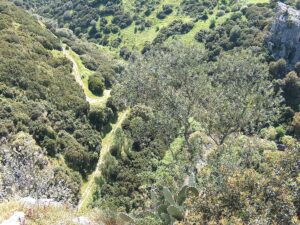
The hills and Monte Grighine, over 600 metres high, offer hikes among strawberry trees, holm oaks, mastic and myrtle; from the top you can see the giare plateaus, the Montiferru and the Gennargentu. Along the Massari you can stroll to the Roman bridge. Find experiences from local operators just below: trekking, guided visits and outdoor activities in the Barigadu.
History
The area was inhabited since prehistory, as menhirs, giants' tombs and nuraghi show. The village is first recorded in 1341, and in 1388 its representatives signed the peace with the King of Aragon. After the Giudicato of Arborea ended, the Barigadu passed through several feudal lords until feudalism was abolished in the 1800s. In the 20th century emigration shrank the population to a few hundred people.
Food and local products
Allai has a long farming and shepherding tradition: cereals, pulses and livestock. Its signature craft is the iscannos, chairs with woven seats, still a symbol of the village.
Nearby
- Fordongianus (about 7 km): the Roman baths, the Casa Aragonese and San Lussorio.
- Samugheo: a village known for traditional Sardinian weaving.
- Laconi: the menhir museum.
- Villanova Truschedu: the Santa Barbara nuraghe.
Getting there and when to go
From Oristano, drive via Simaxis and Fordongianus, about 40 minutes. The handiest airports are Cagliari-Elmas (about an hour and a half) and Alghero (under two hours). Spring and autumn are best for hiking; in summer, walk in the early morning.
FAQ
How long do I need for Allai?
Half a day for the village and the Roman bridge; a full day if you add Pranu Orisa and the Grighine.
What are perdas fittas?
They're menhirs, standing stones raised in prehistoric times, plentiful around Pranu Orisa.
Is Allai good for families?
Yes, for nature lovers: short walks, the Roman bridge and lots of open space.