Things to do in Villaurbana
Things to see in Villaurbana, Sardinia: forty nuraghi, giants' tombs, a bread museum, hikes on Monte Arci and Grighine and an October bread festival.
We are gathering the first experiences for this area. Check back soon, or tell us about an operator you know.
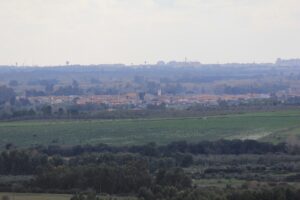
Villaurbana is a village of about 1,500 people on the border between the Campidano of Oristano and the Marmilla, about 20 km east of Oristano, between Monte Arci and Monte Grighine. It's the right place for the authentic interior: a landscape dotted with some forty nuraghi, holm and cork oak woods, and a strong tradition of home-baked bread. Ideal for hikers and lovers of archaeology and country cooking.
Things to see in Villaurbana
Church of Santa Margherita
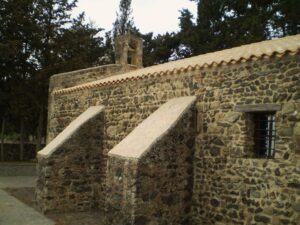
The parish church was rebuilt in Baroque style in 1717 over a mid-15th-century building, of which the baptismal font survives.
The old village
The village keeps typical Campidano houses, with courtyards and large arched gateways opening onto the streets.
Nuraghi and giants' tombs
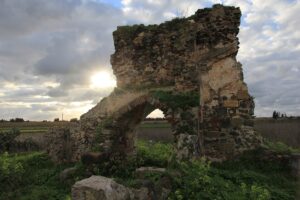
This is one of the richest areas for Nuragic archaeology: around forty nuraghi, some well preserved, and several giants' tombs, including the one at Craddaxius. In the countryside towards Usellus, traces of a Roman road also survive.
Bread house museum
In an old manor house, an exhibition tells the story of wheat, bread-making and the tools of the past.
Things to do in Villaurbana
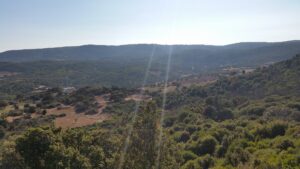
Monte Arci Park has trails among ancient holm and other oaks, springs and outcrops of obsidian, the volcanic glass that was the “treasure” of Neolithic Sardinia. On the other side, Monte Grighine, one of the highest mountains around Oristano, offers ancient rocks and broad views. Hiking, mountain biking and nuraghe tours are ideal, along with bread-making workshops. Scroll down: just below you'll find experiences offered by local operators.
History
The area was settled in Nuragic and then Roman times. The name is thought to come from the Latin villa urbis, “village of the city”. In the Middle Ages it belonged to the Giudicato of Arborea and took part in the peace between Eleonora of Arborea and the King of Aragon. It then followed the fortunes of the Marquisate of Oristano, Aragonese fiefs and, from 1767, the Marquisate of Arcais, until feudalism ended in 1839.
Food and shopping
Villaurbana is one of Italy's “bread towns”: everyday hard-crust loaves, soft breads and decorated ceremonial breads are still baked here. The land produces wheat, olive oil and wine. Woven baskets stand out among local crafts.
Festivals and traditions
- Santa Margherita, the patron saint: late July.
- Sagra de su pani fattu in domu (home-made bread festival): late October, with a market and tasting workshops.
Nearby
- Pau, with the Obsidian Museum.
- Usellus, with the church of Santa Reparata.
- Siamanna and Siapiccia, at the foot of Monte Grighine.
- Fordongianus, with its Roman baths.
- Oristano, about half an hour away.
Getting there and when to go
It's about half an hour from Oristano; the SS 131 runs to the west, towards Marrubiu and Simaxis. The nearest airport is Cagliari, about an hour and a quarter away. Spring and autumn are best for walking, and the late-October bread festival is a great reason to come.
FAQ
What is there to see in Villaurbana?
The church of Santa Margherita, the bread house museum and the area's nuraghi.
Is Villaurbana by the sea?
No, it's an inland village; the Gulf of Oristano beaches are about 40 minutes by car.
How long do you need?
Half a day for the village, one or two days for hikes on Monte Arci and Grighine.