Things to do in Fluminimaggiore
Things to do in Fluminimaggiore, Sardinia: the Temple of Antas, Su Mannau caves, Portixeddu beach, old mines and wild nature. Tips for your visit.
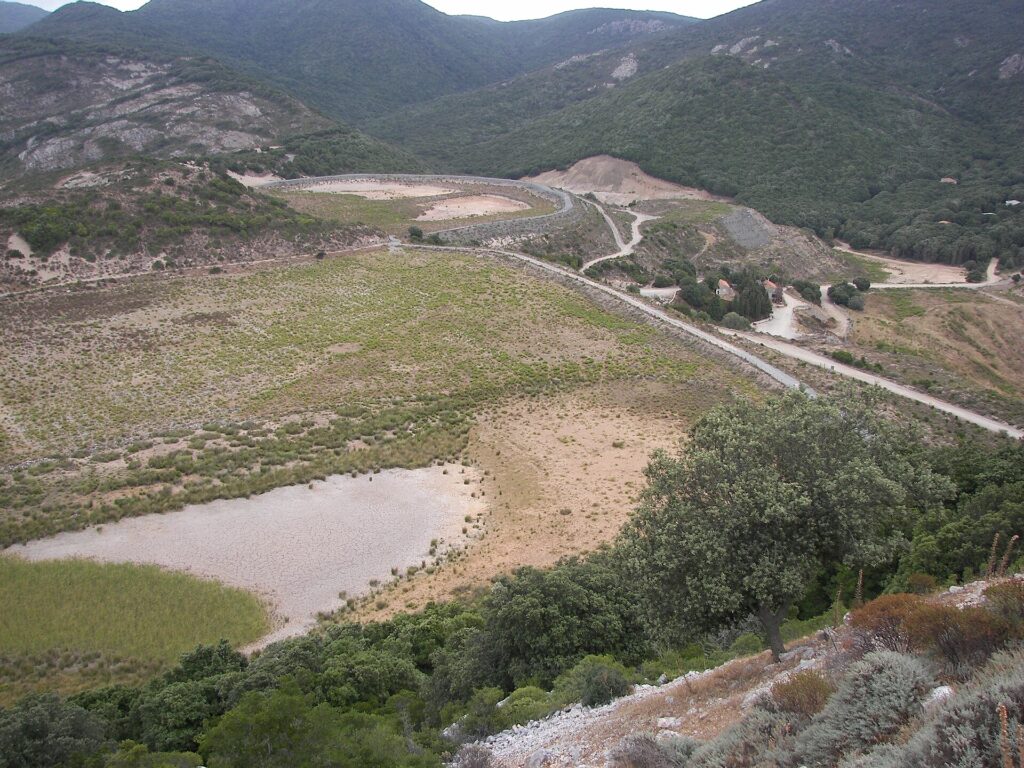
We are gathering the first experiences for this area. Check back soon, or tell us about an operator you know.
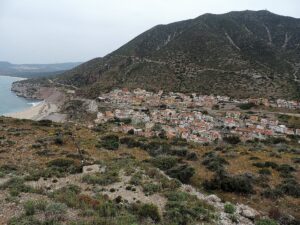
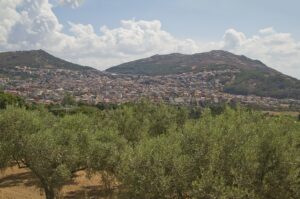
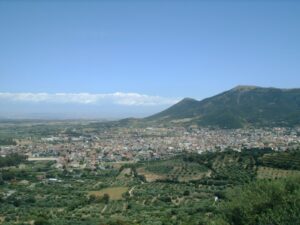
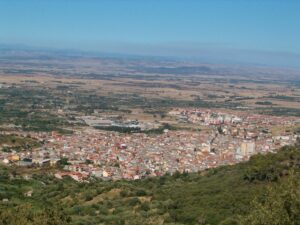
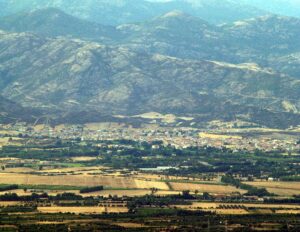
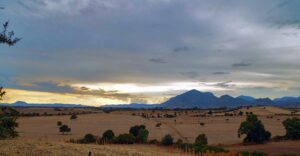
Fluminimaggiore is a village of about 2,600 people in a green valley of the Iglesiente, south-west Sardinia, some twenty kilometres from Iglesias. Its territory holds two of the island's most striking sights, the Temple of Antas and the Su Mannau caves, plus a wild stretch of coast with Portixeddu beach. It is ideal if you love archaeology, nature and uncrowded beaches, and for families looking for something different from the usual day at the seaside.
What to see in Fluminimaggiore
The Temple of Antas
About 10 km from the village, in a quiet wooded valley, stands the Roman temple of Sardus Pater Babai, the father god of the Sardinians. It was rebuilt in the 3rd century AD over a Punic sanctuary, which in turn succeeded a Nuragic place of worship. The re-erected Ionic columns and the stairway make an unforgettable sight. Nearby you can also see the remains of a Nuragic village and the ancient Roman quarries.
Su Mannau caves
Just outside the village are the Su Mannau caves, one of Sardinia's most important karst systems, visited with a guide. The route crosses chambers full of stalactites, stalagmites and underground pools; traces of ancient water cults have been found inside. More adventurous caving routes are also available.
The village and its mines
In the centre you will find the church of Sant'Antonio da Padova, dedicated to the patron saint, and an old water mill recalling the valley's farming life. Many disused mines, such as Su Zùrfuru, dot the area as part of Sardinia's Geomining Park.
Things to do in Fluminimaggiore
- Archaeology tours: Antas is best enjoyed with a guide who brings its long history to life.
- Caving: beyond the Su Mannau tourist route, guided cave outings are possible.
- Hiking: the Antas valley, the woods around the village and stages of the Cammino Minerario di Santa Barbara combine nature and mining history.
- Surf and sea: the Portixeddu coast faces the mistral and draws surfers on wave days, while on calm days it is perfect for a swim.
- Mountain biking: dirt roads between the hills and the coast are great for e-bike rides.
Read on below: you will find excursions, guided tours and other experiences offered by local operators in Fluminimaggiore, ready to book.
Beaches in Fluminimaggiore
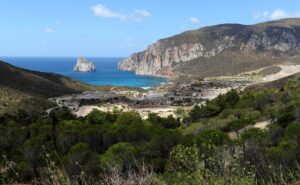
- Portixeddu: the main beach, a long stretch of golden sand with dunes at the mouth of the Rio Mannu. Wide, open to the sea and lovely even out of season; windy days suit surf and kitesurf, calm days suit families.
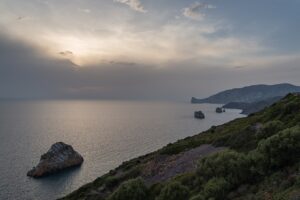
- Cala Sa Perdischedda: two small coves further north among rocks and Mediterranean scrub, for those seeking peace.
- Cala Guardia is Turcus: the name recalls lookouts against "Turkish" pirates; a wild little cove for the adventurous.
History
The area was inhabited in pre-Nuragic and Nuragic times, then by Phoenicians, Punics and Romans, who built their temple at Antas and worked the lead and silver deposits. In the Middle Ages it passed from the Judicate of Cagliari to Pisa and, in 1324, to Aragon. In 1650 a raid from the sea destroyed the village, which was rebuilt further inland in 1704, where it stands today. In the 19th and 20th centuries the mines made it grow and saw hard labour struggles linked to the 1904 Buggerru events. The mining crisis brought emigration; today Fluminimaggiore looks to archaeology, nature and slow travel.
Food and local products
The cooking is simple, country-style: homemade bread, sheep and goat cheeses, roast meats, soups and almond sweets, with fish from the nearby coast. The valley produces excellent honey. To take home: honey, cheese and a bottle of Carignano del Sulcis.
Festivals and traditions
The year opens in mid-January with the Fogadoni de Santu Antoni, the great bonfires of St Anthony the Abbot. Then come Carnival, Pasca Manna (Easter), the feast of Santa Rita in late May and the patron St Anthony of Padua in mid-June. In August the Assumption is celebrated, and in summer the Antas temple hosts concerts. The year closes on 31 December with Is Candeberis, an old New Year's Eve custom.
Nearby
- Buggerru, about 20 minutes away: a seaside mining village with the Galleria Henry and nearby Cala Domestica.
- Iglesias, about 30 minutes: medieval old town and the Monteponi mines.
- Nebida and Masua, with the Pan di Zucchero sea stack and Porto Flavia.
- The Costa Verde of Arbus to the north, with the Piscinas dunes.
Getting there and when to go
The village lies on the SS126 between Iglesias and Guspini. Cagliari-Elmas airport is about an hour and a quarter by car, via the SS130 to Iglesias. Spring and autumn are ideal for Antas, the caves and hiking; summer is beach season at Portixeddu. The caves keep a constant temperature and can be visited year-round.
Frequently asked questions
How long do you need in Fluminimaggiore?
One day covers Antas and Su Mannau; add half a day to enjoy Portixeddu and the coast.
Is Fluminimaggiore good for children?
Yes: Su Mannau and the Antas temple fascinate kids, and on calm days Portixeddu is a wide, easy beach.
Who is the Sardus Pater?
The god worshipped at Antas, seen as the father and ancestor of the Sardinians; the Romans honoured him by taking over a much older cult.