Things to do in Guspini
Things to do in Guspini, Sardinia: Montevecchio mine, columnar basalts, San Nicolò church, nuraghi, ancient Neapolis and the nearby Costa Verde.
We are gathering the first experiences for this area. Check back soon, or tell us about an operator you know.
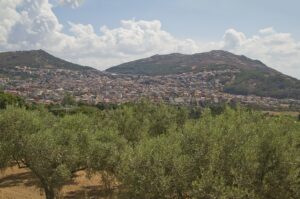
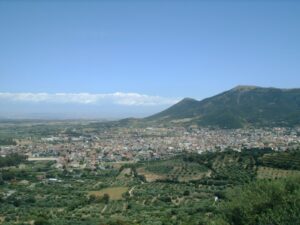
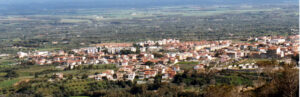
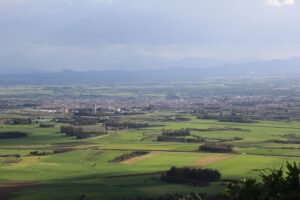
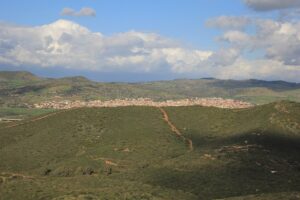
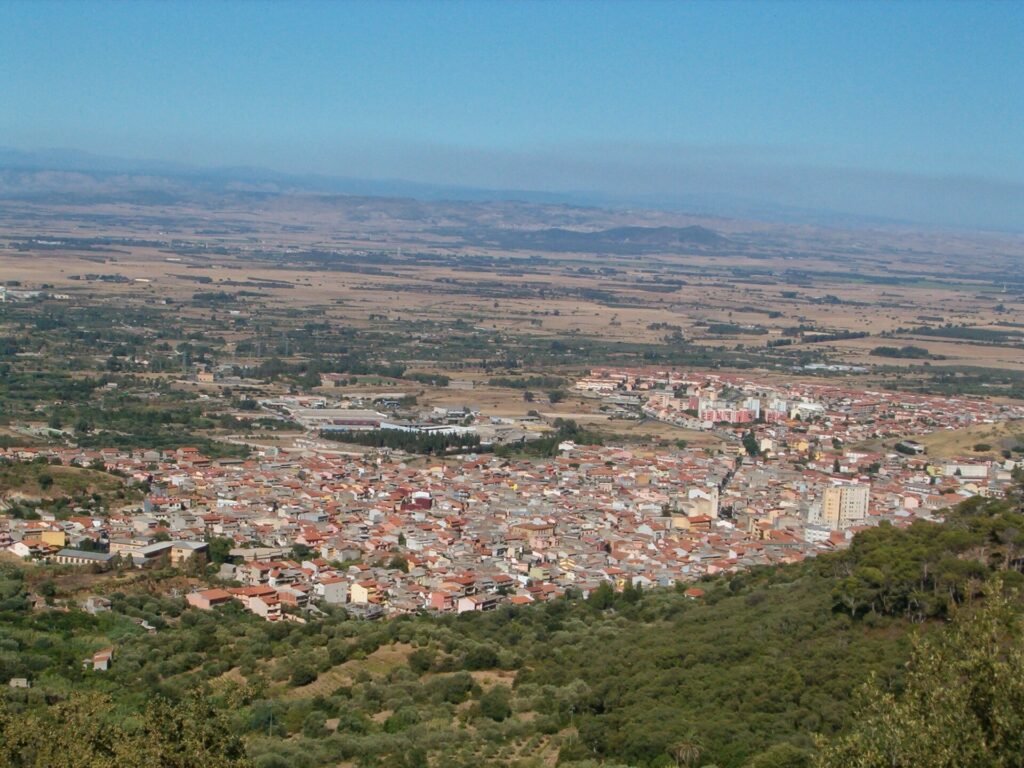
Guspini is a town of about 10,700 people in the Medio Campidano, south-west Sardinia, nestled at the foot of the Monte Santa Margherita hills. Its recent history is tied to the Montevecchio mines, among the most important in Italy, but the land also tells thousands of years of history, from nuraghi to the Roman city of Neapolis, and offers a rare geological curiosity: columnar basalts. It is ideal for lovers of industrial heritage, history and nature, and a handy base for the dunes of the Costa Verde.
What to see in Guspini
Montevecchio
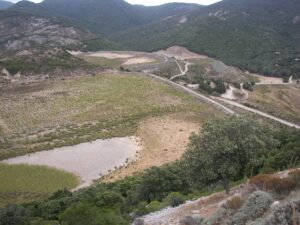
A few kilometres from town, among woods and hills, lies the mining village of Montevecchio, shared between Guspini and Arbus. For over a century it was one of Italy's largest lead and zinc mines. Today you can visit the elegant Palazzo della Direzione, the shafts, the workshops and the village buildings: a journey into the lives of managers and miners in the 19th and 20th centuries, at the heart of Sardinia's Geomining Park.
The columnar basalts
On the edge of town, at Cuccur'e Zeppara, are the columnar basalts: near-geometric columns of volcanic rock formed as ancient lava flows slowly cooled. An unusual natural sight in Sardinia.
San Nicolò and Santa Maria di Malta churches
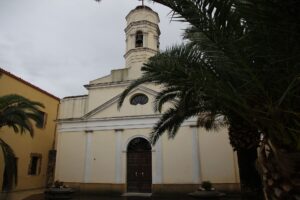
The main square is dominated by the church of San Nicolò di Mira, built in the 17th century in late Gothic style, with a stone façade and a large rose window. Santa Maria di Malta is the town's oldest church, in Romanesque style.
Nuraghi, menhirs and Neapolis
The area has more than thirty nuraghi, including Saurecci and Melas, the Perdas Longas menhirs ("long stones"), the sacred well of Sa Mitza de Nieddinu and the rock tomb of Bruncu Maddeus. Towards the San Giovanni and Marceddì lagoon are the remains of ancient Neapolis, a Punic and Roman town on the Gulf of Oristano.
Things to do in Guspini
- Guided mine tours: Montevecchio is best discovered with a guide, through palaces, shafts and tunnels.
- Hiking and mountain biking: trails between Montevecchio, the hills and the coast cross holm-oak woods and scrub; the Cammino Minerario di Santa Barbara passes here too.
- Birdwatching: the Marceddì lagoon and San Giovanni pond host herons, flamingos and other waterbirds.
- Beaches on the Costa Verde: from Guspini you can reach the Piscinas dunes and the great beaches of Arbus.
- Horse riding and 4x4 trips: dirt roads to the sea are perfect for outdoor outings.
Further down this page you will find experiences offered by local operators in and around Guspini: tours, excursions and activities to book directly.
History
The area was inhabited in pre-Nuragic and Nuragic times, then by Phoenicians, Punics, Romans and Byzantines; Neapolis was an important port on the lagoon. In the Middle Ages Guspini belonged to the Judicate of Arborea, then the Marquisate of Oristano, and finally passed to Aragon; feudal rule ended in 1839. From the mid-19th century the town's story became bound up with the Montevecchio mines, which brought work, growth and labour struggles. Their closure in the late 1980s and early 1990s caused a harsh crisis; today Guspini champions its mining heritage and traditions.
Food and local products
The cooking is classic Campidano: homemade bread, pecorino, roast meats, soups and fresh pasta such as malloreddus. Guspini is known for almond sweets and nougat. The honey is excellent too and has its own festival. To take home: nougat, honey, ceramics and handmade knives, celebrated at the Arresojas fair (Sardinian for "knives").
Festivals and traditions
The most heartfelt feast is Santa Maria di Malta, around 15 August, with about eight days of rites, processions and shows. The feast of the patron San Nicolò and the Guspini Carnival, with parades and masks, are also very popular. During the year there is the Arresojas knife fair, a honey festival, the Birras craft beer festival and a literary festival.
Nearby
- Arbus and the Costa Verde: the dunes of Piscinas, Scivu and Torre dei Corsari, among the island's wildest beaches.
- Ingurtosu: an abandoned mining village on the road to Piscinas.
- Fluminimaggiore, with the Temple of Antas and the Su Mannau caves.
- Oristano and the Sinis peninsula to the north.
Getting there and when to go
Cagliari-Elmas airport is about an hour's drive along the SS131 and then local roads via San Gavino; from Oristano it takes about 50 minutes. The SS126 links the town with Arbus and Iglesias. Spring and autumn are perfect for Montevecchio, hiking and archaeology; in summer Guspini is a quiet base for the Costa Verde, and in August it comes alive for Santa Maria di Malta.
Frequently asked questions
Does Guspini have a beach?
Its territory reaches the San Giovanni and Marceddì lagoons; for beaches, head to the nearby Costa Verde in Arbus, about 30-45 minutes by car.
How long do you need in Guspini?
One day for the town, the basalts and Montevecchio; two or three if you add the Costa Verde and the archaeological sites.
Is Montevecchio good for families?
Yes, the guided tours suit children too, and the village in the woods is pleasant to explore.