Things to do in Segariu
What to see in Segariu, Sardinia: the four-lobed Sant'Antonio nuraghe, a Romanesque church over a sacred well, the Clay Museum and festivals.
We are gathering the first experiences for this area. Check back soon, or tell us about an operator you know.
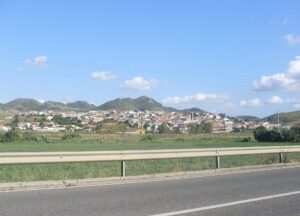
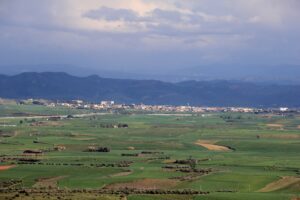
Segariu is a small village in the Marmilla, almost on the border with the Trexenta, about 50 km from Cagliari. It lies in a valley crossed by two streams, among hills of pine woods and Mediterranean scrub and farmed fields. With just over a thousand residents, it offers a four-lobed nuraghe, a little Romanesque church built over a sacred well and a long tradition of clay working: a real find if you love archaeology and authentic villages.
What to see in Segariu
Sant'Antonio nuraghe
The village symbol stands a short distance away: a four-lobed nuraghe, one of Sardinia's Bronze Age stone towers, with a central tower and four outer ones, built of limestone and marl blocks. Its eastern side has revealed traces of a late Punic settlement.
Church of Sant'Antonio and the sacred well
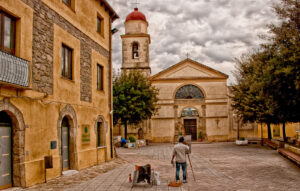
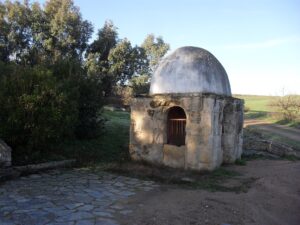
Next to the nuraghe stands the little country church of Sant'Antonio, in late Romanesque style, built between the 12th and 14th centuries. A trapdoor near the entrance leads down to an underground chamber with a sacred well, possibly as old as the nuraghe.
Church of San Giorgio Martire
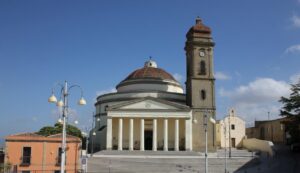
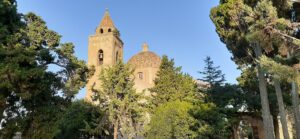
The 17th-century parish church, dedicated to the patron saint, has a presbytery with a star vault in Catalan Gothic style.
Clay Museum
In the village centre, the Museo delle argille recreates a roof-tile workshop and runs workshops with craftsmen; the Perdas e Minas exhibition displays old photos and work tools.
Other sites
The area also has the Franghe Morus nuraghe, the prehistoric village of Costa Faccia 'e Bidda, with traces of copper working, and the ruins of the medieval castle of Rocca su Casteddu.
Things to do in Segariu
Visit the museum and join a clay workshop, then stroll between the nuraghe and the church and head out into the surrounding hills, ideal for walks and bike rides. Segariu combines easily with other villages of the Marmilla and Trexenta. In summer, early morning and sunset are the best times for the outdoor sites. Discover the experiences offered by local operators below.
History
The area has been inhabited since prehistory. The name appears in documents from 1180. In the Middle Ages Segariu belonged to the Giudicato of Cagliari; after 1258 it passed to Pisa and from 1324 to Aragon. In 1414 it became part of the Sanjust barony of Furtei. Almost abandoned in the 15th century, it was resettled in the 17th and redeemed in 1839. Merged with Furtei in 1927, it became independent again in 1945.
Food and shopping
The cooking is Marmilla farm food, with bread, cheeses and dishes based on local produce. The souvenir to take home is linked to the tradition of clay and roof tiles.
Festivals and traditions
- San Giorgio (late April): patron saint's feast with religious rites and music.
- Tebajus (July): an event devoted to roof tiles, with local food and crafts.
- Sant'Antonio (early September): feast at the country church with tastings.
Around Segariu
- Furtei (about 3 km): Holy Week rites.
- Guasila (about 5 km): the church of the Beata Vergine Assunta.
- Villanovafranca: the Su Mulinu nuraghe and museum.
- Sanluri: the medieval castle.
Getting there and when to go
Cagliari's airport and port are about 50 minutes by car, via the SS 131 and Serrenti or Furtei. Spring and early autumn are best for walks; July brings Tebajus.
FAQ
What shouldn't you miss in Segariu?
The Sant'Antonio nuraghe with its church and sacred well, and the Clay Museum.
How long do you need?
Half a day is enough; add Furtei and Villanovafranca for a full day.
Is Segariu good for children?
Yes, kids love the clay workshops and the visit to the nuraghe.