Things to do in Arbus
Arbus, Sardinia: the Piscinas and Scivu dunes, Costa Verde beaches, Montevecchio and Ingurtosu mines, the Knife Museum, festivals and travel tips.
We are gathering the first experiences for this area. Check back soon, or tell us about an operator you know.
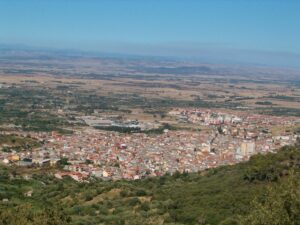
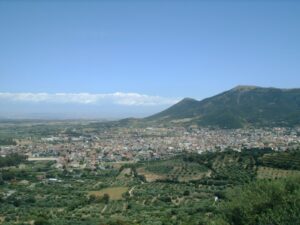
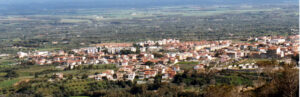
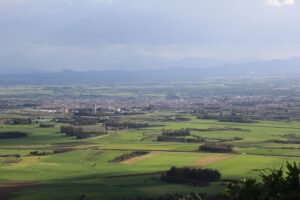
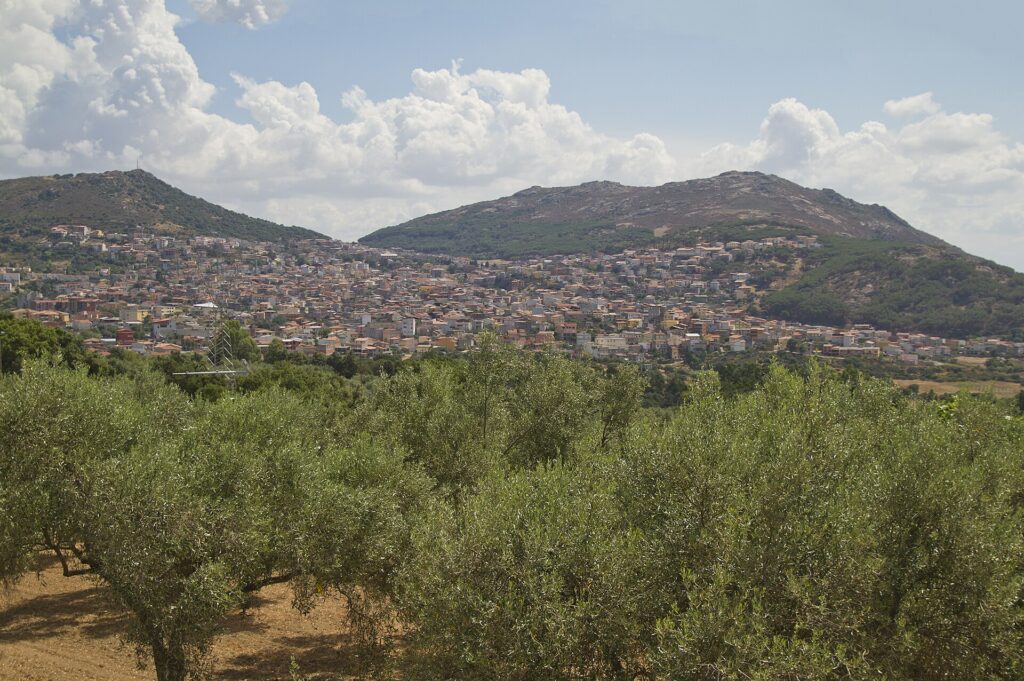
Arbus is a town of around five thousand people in south-west Sardinia, in the Medio Campidano area, with one of the largest municipal territories on the island. The town sits in the hills between Monte Linas and Monte Arcuentu, while its coast, the Costa Verde (Green Coast), stretches for dozens of kilometres of vast beaches, dunes as high as hills and Mediterranean scrub. Here wild nature meets abandoned mines with an almost Wild West feel and a famous craft tradition: the Arbus knife. It is perfect if you want open spaces, uncrowded sea, hiking and industrial heritage.
What to see in Arbus
The town and the Knife Museum
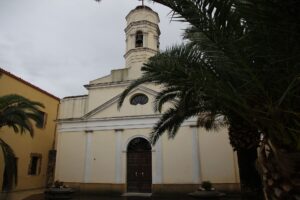
In the centre you can visit the church of San Sebastiano, the town's main church, the church of Beata Vergine d'Itria and the Montegranatico, a 17th-century building once used as a grain bank. The most curious stop is the Sardinian Knife Museum, considered the first devoted to this object and founded by craftsman Paolo Pusceddu: it displays traditional blades and the world's largest Arbus knife, almost five metres long, which entered the Guinness Book of Records in 1986.
Montevecchio
The former mining village of Montevecchio, partly in the territory of Guspini, was for over a century one of Italy's most important mining centres. Today it is part of Sardinia's Historical and Environmental Geomining Park: among shafts, workshops and the management building you can follow visitor routes and museums about minerals and miners' lives.
Ingurtosu and the valley towards Piscinas
Heading down to the sea, you pass through Ingurtosu, an abandoned mining village of ruined buildings, tunnels and plants that recalls a Wild West ghost town. Here you'll find the church of Santa Barbara, built during the First World War, and the Pozzo Gal multimedia museum.
Nuraghi and Monte Arcuentu
The territory preserves the Cugui nuraghe (Bronze Age stone tower), the Narocci nuraghe near Scivu and the giants' tomb of Bruncu Espis near Funtanazza. On top of Monte Arcuentu, the highest point in the municipality, stand the ruins of a medieval castle with views reaching the Gulf of Oristano.
Things to do in Arbus
- Hiking on the dunes and along the coast: walking the Piscinas dunes or the trails between beaches is a unique experience.
- Mine tours: guided visits to Montevecchio and Ingurtosu, among tunnels, ore-washing plants and mining villages.
- Off-road and mountain biking on the dirt tracks linking the mining villages to the sea.
- Nature excursions: the Sardinian deer lives in the wildest areas, and sea turtles nest on some beaches.
- Horse riding through scrub, hills and empty beaches.
- Surfing and kitesurfing on beaches exposed to the mistral.
To explore dunes, mines and trails with expert guides, browse the experiences offered by local operators in Arbus and the Costa Verde just below.
Beaches of Arbus
Piscinas
The signature beach of the Costa Verde, with one of the largest dune systems in Europe: the dunes reach remarkable heights and roll right down to the sea. Traces of old mining rails still poke out of the sand. It is a wild, windy beach to enjoy with respect for a fragile ecosystem.
Scivu
Further south, Scivu is a long stretch of sand framed by equally spectacular dunes and thick scrub. It is wide, peaceful and often wave-swept: watch out for currents on rough days.
Torre dei Corsari, Pistis and Portu Maga
In the north, Torre dei Corsari is a seaside hamlet with a long golden beach overlooked by a dune and the remains of a coastal tower, easy for families. Pistis, the northernmost beach of the Costa Verde, has pale sand and clear water towards Capo Frasca. Portu Maga, the marina of Arbus, is a small bay with some services.
History
The area's mineral wealth was exploited since ancient times, including by Phoenicians and Romans. In the Middle Ages it belonged to the Judicate of Arborea, one of Sardinia's four medieval kingdoms; centuries of feudal rule followed, ending in the first half of the 19th century. With the industrial growth of the lead and zinc mines of Montevecchio and Ingurtosu, the population rose above ten thousand by the mid-20th century, then fell as the mines closed. Today Arbus focuses on nature, tourism and mining heritage.
Food and shopping
The most authentic souvenir is an Arbus knife, s'arresoja arburesa, a folding knife with a bellied blade and horn handle, handmade by local craftsmen. The food is that of the Campidano and the coast: mutton and lamb, pecorino cheese, rustic bread, almond sweets and, in the seaside hamlets, fresh fish.
Festivals and traditions
The biggest festival is Sant'Antonio di Santadi in June: for four days, starting on the first Saturday after 13 June, the saint's statue is carried in procession for more than thirty kilometres, through Guspini, to the country church of Santadi, with carts, riders and traditional costumes. In January a bonfire is lit for Sant'Antonio Abate and the patron saint San Sebastiano is celebrated; in August comes the feast of San Lussorio. In late July a festival of the black sheep celebrates the shepherding tradition.
Nearby
- Guspini: the neighbouring town, with its part of Montevecchio and basalt columns.
- Buggerru and Cala Domestica: the mining village and one of the loveliest coves of the Iglesiente, about an hour away.
- The Temple of Antas (Fluminimaggiore): a Punic-Roman temple in a quiet valley, about 50 minutes away.
- Su Nuraxi in Barumini: the UNESCO site, about an hour's drive.
Getting there and when to go
Arbus is reached from the SS131 highway, exiting at Sanluri and continuing via Guspini, or from the SS126. Cagliari airport and port are about an hour's drive away. Roads to Piscinas and the southern Costa Verde beaches wind down through the mining valleys, with narrow and partly unpaved stretches: drive slowly. The best time for the beach is June to September; spring and autumn are ideal for hiking, mines and wildlife spotting.
Frequently asked questions
Which are the best beaches in Arbus?
Piscinas and Scivu for the dunes, Torre dei Corsari and Pistis for an easy family day.
Can you visit the mines of Arbus?
Yes: Montevecchio and Ingurtosu are part of the Geomining Park and offer visitor routes, often with guides.