Things to do in Musei
What to see and do in Musei, Sardinia: the Jesuit church of Sant'Ignazio, history, local food and day trips to Iglesias and the Marganai forest.
We are gathering the first experiences for this area. Check back soon, or tell us about an operator you know.
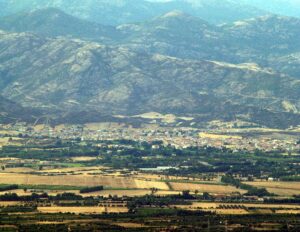
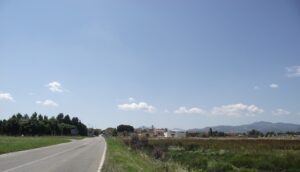
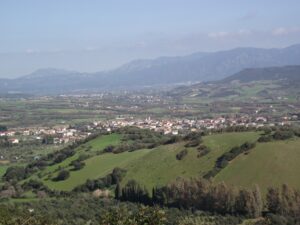
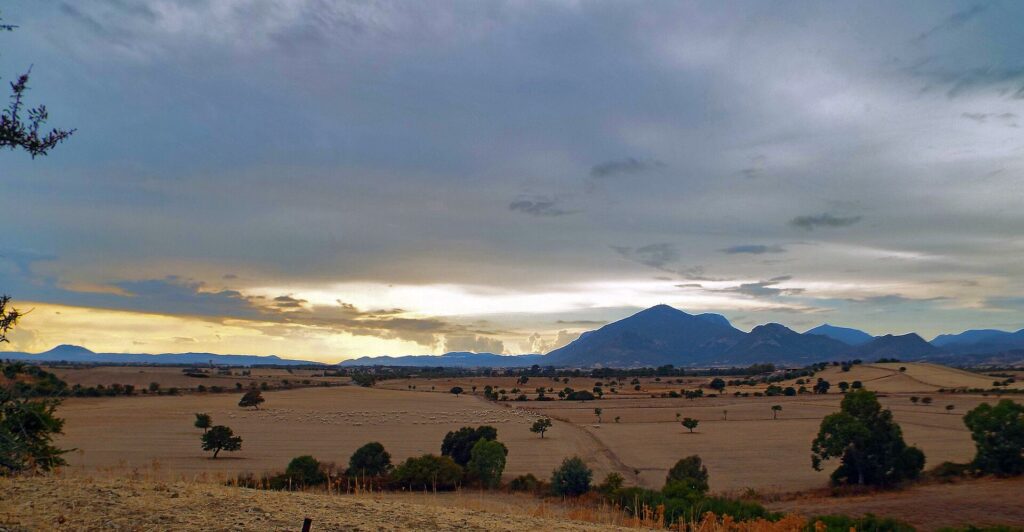
Musei is a small farming village in south-west Sardinia, set in the green Cixerri valley along the SS 130 road between Cagliari and Iglesias. With just over 1,500 residents, fields fed by springs and streams, and a history shaped by the Jesuits, it is a quiet stop on any trip through the Iglesiente and Sulcis areas. It suits travellers who enjoy authentic villages, open countryside and hikes in the nearby forests.
What to see in Musei
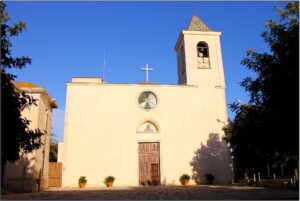
Church and convent of Sant'Ignazio di Loyola
The heart of the village is the complex built by the Jesuits in the 17th century: a late Baroque church with its adjoining convent. Inside you'll find valuable works, including a processional cross covered in silver leaf. It is the clearest sign of the long period when the Society of Jesus ran the village.
Archaeological traces
The area was already inhabited in Nuragic, Punic and Roman times. Remains of nuraghi (Sardinia's Bronze Age stone towers), finds from the fields and the foundations of buildings near the vanished village of Arruinalis tell that long story.
Things to do in Musei
Musei is a good base for exploring the south-west at a slow pace. From the Cixerri valley you are only minutes from the Marganai forest, with trails for hiking and mountain biking, and from the caves of Domusnovas. The flat countryside is perfect for cycling past vineyards and wheat fields, while the Iglesiente hills offer routes on foot and on horseback. Have a look at the experiences offered by local operators below: it's the easiest way to enjoy the area with people who know it well.
History
The name appears as Musej in Pisan records from 1323. In the Middle Ages the village belonged to the Giudicato (medieval kingdom) of Cagliari; after 1258 it passed to the Della Gherardesca counts, then to Pisa, and from 1324 to the Crown of Aragon. For centuries it was known as Villa di Prato. In 1607 it was handed to the Jesuits, who held it until 1773 and encouraged wheat and vine growing. In 1839, when feudalism was abolished, the village bought back its freedom.
Food and shopping
The valley is fertile and well watered: wheat, wine and garden produce form the base of local cooking, along with meat from a livestock tradition that was among the most renowned on the island in the 18th century. Look out for semolina bread, pecorino cheeses and wines from south-west Sardinia.
Festivals and traditions
The most heartfelt celebration is the feast of Sant'Ignazio di Loyola at the end of July, with religious rites and festivities in the village.
Around Musei
- Domusnovas: the San Giovanni cave, once crossed by a road, and the Sa Domu 'e s'Orcu nuraghe.
- Marganai forest: holm oaks, trails and old mining areas.
- Villamassargia: S'Ortu Mannu, a grove of centuries-old olive trees.
- Siliqua: Acquafredda castle on a volcanic hill.
- Iglesias: the old town, Santa Chiara cathedral and the mining museum.
Getting there and when to go
The nearest airport and port are in Cagliari, about 45 minutes away by car on the SS 130. The closest beaches are on the coast near Iglesias, about half an hour's drive. Spring and autumn are best for hiking; in summer the village is a quiet base between sea and mountains.
FAQ
How long do you need to visit Musei?
An hour is enough for the village; plan a full day if you want to add Domusnovas and the Marganai forest.
Is Musei by the sea?
No, it lies inland, but the beaches near Iglesias are about half an hour away by car.
Is Musei good for families?
Yes: it's a peaceful village close to caves and woods that are easy to visit with children.