Things to do in Villaperuccio
Villaperuccio, Sardinia: the Montessu necropolis and its fairy-house tombs, menhirs, the Marchianna necropolis and the March orange festival.
We are gathering the first experiences for this area. Check back soon, or tell us about an operator you know.
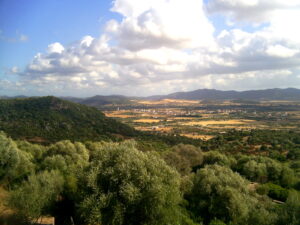
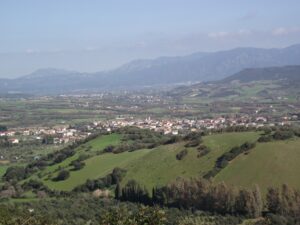
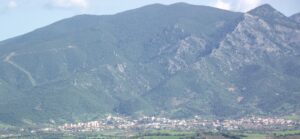
Villaperuccio, Sa Baronìa in Sardinian, is a small village in the heart of the Lower Sulcis, in south-west Sardinia, between a plain of citrus groves and hills of volcanic origin. Its name is tied to the Montessu necropolis, one of the island's most important pre-Nuragic sites, but the countryside also hides menhirs, nuraghi and a second necropolis. It's ideal for archaeology lovers and anyone seeking a slow, authentic Sulcis, half an hour from the sea.
What to see in Villaperuccio
Montessu necropolis
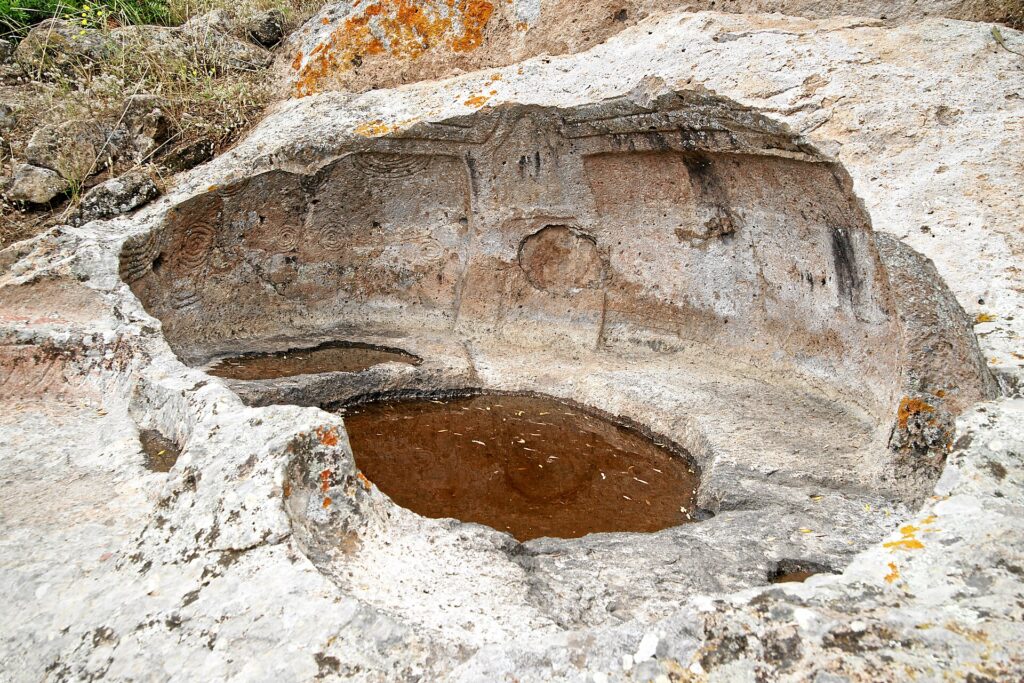
Around forty domus de janas, "fairy houses", open into a natural rock amphitheatre: tombs carved into the stone, mostly with several rooms, antechambers, niches and small cup-shaped hollows. The two most monumental, at either end of the amphitheatre, are the Tomb of the Spirals, with motifs linked to the Mother Goddess, and the Tomb of the Horns, linked to the Bull God. The site was used for about a thousand years, into the Early Bronze Age.
Marchianna necropolis
Near Lake Monte Pranu lies a second, lesser-known but evocative group of domus de janas.
Menhirs and nuraghi
The countryside is dotted with menhirs, prehistoric standing stones: the best known is Luxia Arrabiosa, at Su Terrazzu, the subject of local legends; others form the Is Perdas Croccadas group. The area has around forty nuraghi (Bronze Age stone towers).
The churches
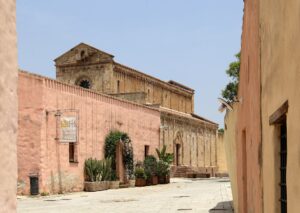
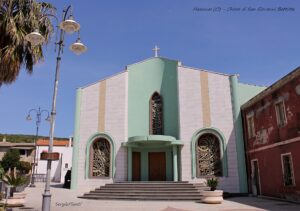
The country church of the Madonna delle Grazie, at Is Grazias, dates from the 16th century; the parish church of the Madonna del Rosario was built in 1913.
Things to do in Villaperuccio
A guided visit to Montessu is the best way to understand the rituals and symbols of pre-Nuragic peoples. Then carry on with walks or bike rides among menhirs and nuraghi, as far as the shores of Lake Monte Pranu. In spring, the blossoming orange groves make it even more pleasant. Discover the experiences offered by local operators below.
History
Human presence goes back to the Neolithic: obsidian arrowheads still turn up in the fields. In the Middle Ages the village belonged to the Giudicato of Cagliari and from 1258 was assigned to the Della Gherardesca; the plague of 1348 largely emptied it. From the 1700s farming families returned to work the land. Long joined to Santadi, Villaperuccio became an independent municipality again in 1979, after a referendum.
What to eat and buy
The plain is orange and citrus country, celebrated at the spring festival. On the table you'll find Sulcis flavours: home-style bread, sheep's cheese, olive oil and Carignano del Sulcis wine.
Festivals and traditions
- March: orange festival.
- July: feast of the Madonna delle Grazie at the Is Grazias country church.
- Late August: feast of the patron saint, the Madonna del Rosario.
Nearby
- Santadi and the Is Zuddas caves, about 10 minutes away.
- Tratalias and the cathedral of Santa Maria di Monserrato, about 15 minutes away.
- Tattinu sacred well in Nuxis.
- Porto Pino and the Gulf of Palmas beaches, about half an hour away.
Getting there and when to go
Cagliari-Elmas airport is about 55 minutes by car via the SS 130 and then the SS 293 towards Santadi and Giba. The best times are March to June and September to November, when the mild weather suits a visit to the necropolis; March also brings the orange festival.
FAQ
How long does a visit to Montessu take?
Allow a couple of hours for the necropolis; half a day if you add menhirs and churches.
Is Villaperuccio by the sea?
No, it's inland; the nearest beaches, such as Porto Pino, are about half an hour by car.
Is Montessu good for children?
Yes, kids love the "fairy houses"; wear comfortable shoes for the paths.