Things to do in Gonnesa
Things to do in Gonnesa, Sardinia: Plag'e Mesu, Fontanamare and Porto Paglia beaches, surfing, the Seruci nuraghe and old mining villages.
We are gathering the first experiences for this area. Check back soon, or tell us about an operator you know.
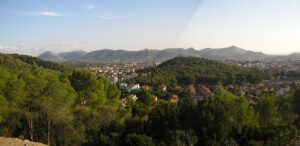
Gonnesa is a village of about 4,500 people between Iglesias and Carbonia, in south-west Sardinia. The centre is inland, but its territory runs down to one of the longest and best-loved beaches in the Sulcis-Iglesiente: the great sweep of sand from Fontanamare to Porto Paglia, passing Plag'e Mesu. Open sea, surfable waves, a major nuraghe and old mining villages make it a good fit for families, surfers and anyone curious about industrial history.
What to see in Gonnesa
The Seruci Nuragic complex
In the hamlet of Seruci lies one of the area's most important Nuragic sites: a complex nuraghe surrounded by a large village of stone huts. Walking among the ruins with the sea on the horizon shows how busy this land already was in the Bronze Age.
Sant'Andrea church
The parish church of Sant'Andrea Apostolo has medieval, Romanesque origins and anchors the old centre.
The mining villages of Normann and Nuraxi Figus
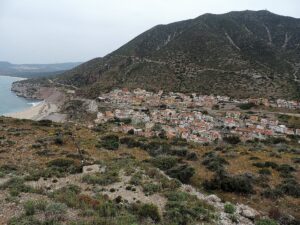
Normann was built in the late 19th century for mine managers and technicians; the director's villa and social club are protected. Nuraxi Figus is tied to coal: it was home to the Monte Sinni mine, Italy's last working coal mine, which closed in 2018. The area also has the 1936 Seddas Moddizzis ore-washing plant, an imposing piece of industrial archaeology.
Porto Paglia tuna fishery
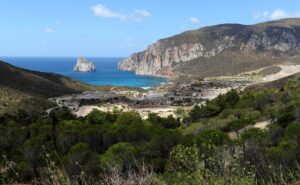
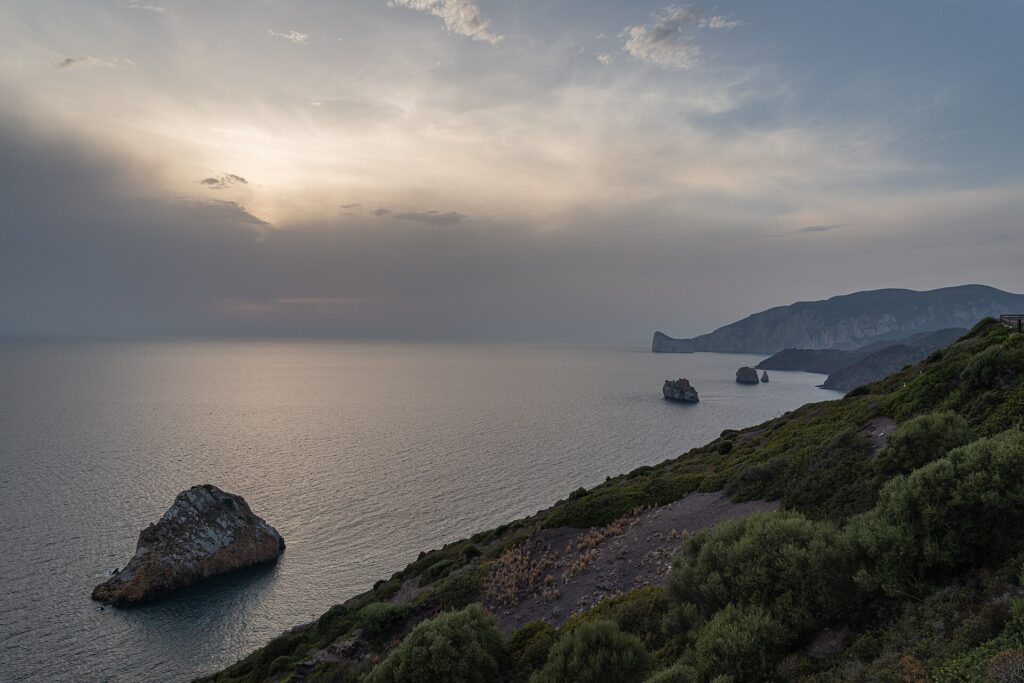
At the southern end of the beach stand the buildings of the old Porto Paglia tuna fishery, first licensed in 1595, and the ruins of an Aragonese tower. A striking spot, especially at sunset.
Things to do in Gonnesa
- Surfing and bodyboarding: Plag'e Mesu and Fontanamare are among southern Sardinia's best-known spots; when the mistral blows, the waves roll in. Beginners will find schools and lessons.
- Kitesurf and windsurf: windy days are frequent and the beach is wide.
- Hiking and cycling: from the sea to the mining villages, with stages of the Cammino Minerario di Santa Barbara crossing the area.
- Mining heritage: Gonnesa sits in the heart of the Geomining Park, close to Monteponi, Nebida and Masua.
- Boat trips: from the nearby coast, head out to the Nebida cliffs, the Pan di Zucchero and Porto Flavia.
Below you will find surf lessons, excursions and other experiences offered by local operators in Gonnesa: choose yours and book in a few clicks.
Beaches in Gonnesa
Gonnesa's great beach, over three kilometres long, has stretches with different characters.
- Fontanamare: the northern end, with views of the Pan di Zucchero; golden sand and open, often lively sea.
- Plag'e Mesu: Sardinian for "the middle beach"; dunes, fine sand and facilities. The busiest stretch, loved by families on calm days and surfers on wave days.
- Porto Paglia: the southern end near the old tuna fishery, a little more sheltered and quiet.
This coast faces the westerly winds: when there are waves, watch out for currents and choose lifeguarded areas.
History
The area was inhabited in the Nuragic age, as Seruci shows. In the Middle Ages the village, called Conesium, belonged to the Judicate of Cagliari until 1257; it then became a fief of the Gessa and Asquer families, who refounded it in 1774. The 19th century brought lead, zinc and coal mines, and the population passed 3,000. In 1906 clashes between miners and police left several dead, a painful chapter of Sardinian labour history. From 1940 to 1945 the village was merged into Carbonia; today, with the mines closed, Gonnesa looks to the sea and tourism.
Food and local products
The cooking mixes land and sea: homemade bread, pecorino cheese, roast meats and, thanks to the nearby Sulcis tuna fisheries, tuna and fish dishes. The wine is Carignano del Sulcis. To take home: wine, honey, cheese and local preserved tuna.
Festivals and traditions
The community gathers for Sant'Andrea, the parish saint, in late November and for Santa Barbara, patron of miners, in early December, much felt in the mining hamlets. In summer life moves to the coast, with evening events outdoors.
Nearby
- Iglesias, about 10 km away: medieval old town, Holy Week rites and the Monteponi mine.
- Nebida and Masua: viewpoints over the Pan di Zucchero, the Lamarmora washing plant and Porto Flavia.
- Carbonia, about 15 km: the Serbariu Coal Museum and the Monte Sirai archaeological site.
- Portoscuso, with its Spanish tower and the Su Pranu tuna fishery.
Getting there and when to go
From Cagliari-Elmas it is about an hour by car along the SS130 to Iglesias, then a few kilometres south; the SS126 links Gonnesa to Carbonia. The nearest port is Portovesme, with ferries to Carloforte. Beach season runs from June to September; for surfing, autumn, winter and spring are best, when the mistral brings the swell.
Frequently asked questions
Is Plag'e Mesu good for children?
Yes, on calm days: the sand is fine and the beach is wide. When the mistral blows the sea gets rough, so pick a lifeguarded stretch.
Can you surf in Gonnesa?
Yes, it is one of the best-known spots in the south of the island, with waves mostly in autumn and winter and lessons for beginners.
How many days do you need in Gonnesa?
A couple of days cover the beach, Seruci and the mining villages, and it is also a great base for exploring the whole Iglesiente.