Things to do in Serrenti
What to see in Serrenti, Sardinia: the Monti Mannu viewpoint, the Cuccui sacred well in a cork wood, churches, nuraghi and the Santa Vitalia feast.
We are gathering the first experiences for this area. Check back soon, or tell us about an operator you know.
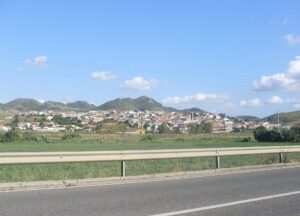
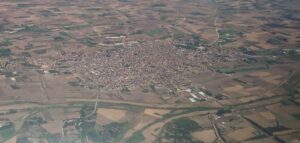
Serrenti stretches across a gentle plateau on the eastern edge of the Campidano, along the SS 131, about half an hour from Cagliari. Here plains of wheat and vineyards give way to hills of Mediterranean scrub, with a viewpoint park overlooking two gulfs, a sacred well tucked into a cork oak wood and a long tradition of trachyte quarrying. It's a perfect stop if you're driving the Carlo Felice highway and want to discover a rural, devout and little-known Sardinia.
What to see in Serrenti
Monti Mannu park
On the Monti Mannu hill is a park with a lookout: on clear days you can see the Gulf of Cagliari to the south and the Gulf of Oristano to the west. Several nuraghi, Sardinia's Bronze Age towers, stand on the surrounding heights, including the Monti Mannu nuraghe.
Sacred well of Cuccui
The Nuragic sacred well of Cuccui is surrounded by a cork oak wood, one of very few in the Medio Campidano: a quiet spot that blends archaeology and nature.
Churches
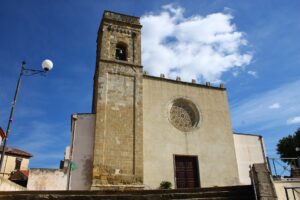
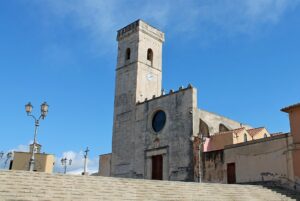
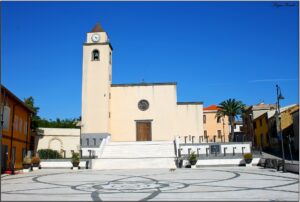
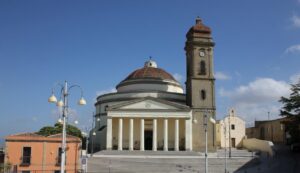
The 17th-century parish church of the Immacolata stands in the centre, and the church of San Giacomo in the district of the same name. Dearest to locals is the church of Santa Vitalia, the martyr who, by tradition, died in Cagliari's amphitheatre.
Other ancient sites
Beside the SS 131 you'll spot the Bruncu Su Castiu nuraghe and the large rock outcrops of Perdas Longas; the countryside holds ruins of Roman villages and prehistoric finds.
Things to do in Serrenti
The hills towards Furtei are great for walks and mountain bike rides through scrub and fields, with Monti Mannu park as a goal. If you're into architecture, discover the tradition of earth building, also studied here at university level, and of stone: Serrenti trachyte was used for Cagliari's Palace of Justice. Have a look at the experiences offered by local operators below and choose how to explore the area.
History
The area was already inhabited in the Nuragic age and had several villages in Roman times. In the Middle Ages Serrenti belonged to the Giudicato of Cagliari; after 1258 it passed to Pisa and then to Aragon. In 1519 it joined the barony of Monastir, and in the 18th century it passed through several feudal families until it was redeemed in 1839 and became a municipality.
Food and shopping
The fields yield durum wheat, tomatoes, artichokes and, more recently, excellent asparagus grown by local cooperatives. Try Campidano farm cooking: soups, semolina bread, cheeses and festive sweets.
Festivals and traditions
- Vivere Serrenti (25 April): a day at Monti Mannu with walks, tastings and music.
- Asparagus fair (May).
- San Giacomo and Sant'Anna (late July).
- Santa Vitalia (first Monday of October): the most heartfelt feast, Santa Vida in Sardinian.
- Immacolata (8 December): procession, folk groups, traditional music and poetry contests.
Around Serrenti
- Samassi: the Romanesque church of San Geminiano.
- Sanluri: the medieval castle.
- Furtei and Segariu: small villages with old churches and nuraghi.
- Pimentel: the rock-cut tombs (domus de janas) of Corongiu and s'Acqua Salida.
- Guasila: the church of the Beata Vergine Assunta.
Getting there and when to go
Serrenti lies on the SS 131, about 35 km from Cagliari's airport and port. The nearest station is Samassi-Serrenti. Spring is the best season for Monti Mannu and the blooming countryside; autumn brings the Santa Vitalia feast.
FAQ
What can you see in Serrenti in a few hours?
The Monti Mannu viewpoint, the centre with its churches and, if you have time, the Cuccui sacred well.
Is Serrenti near the sea?
No, it lies inland; Cagliari's beaches are about 40 minutes away by car.
When is Santa Vitalia celebrated?
Traditionally on the first Monday of October.