Things to do in Narcao
Narcao, Sardinia: the Rosas mining village, the Punic temple of Demeter, Su Bacculu cave, hiking trails and the Narcao Blues festival in late July.
We are gathering the first experiences for this area. Check back soon, or tell us about an operator you know.
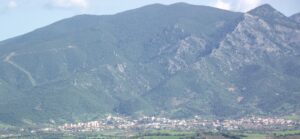
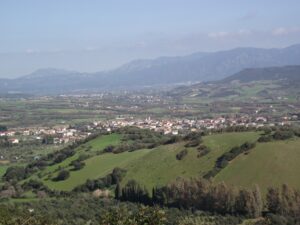
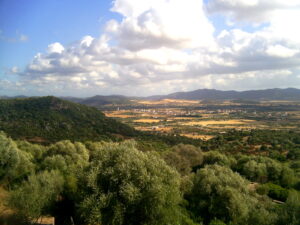
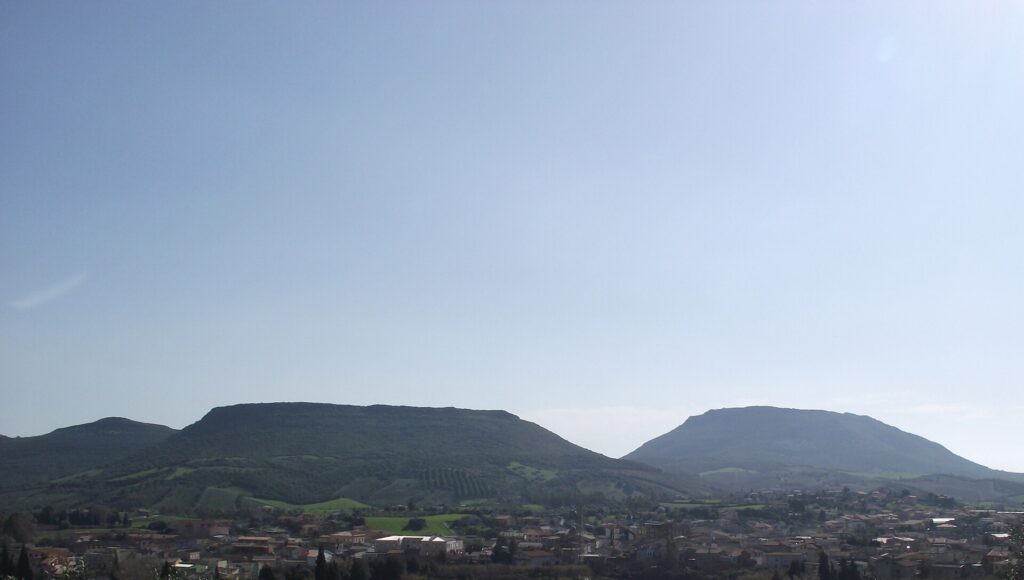
Narcao is a village in the Sulcis, in south-west Sardinia, surrounded by flat-topped hills covered in Mediterranean scrub, oaks and pines. It's famous for two very different things: the Rosas mining village, one of the most evocative spots in Sardinia's Geomining Park, and Narcao Blues, a festival that brings musicians from all over the world every summer. Punic and Nuragic archaeology complete the picture: perfect for families, industrial-heritage fans and music lovers.
What to see in Narcao
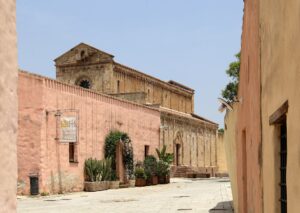
Rosas mining village
From 1851 to 1978 lead, copper and zinc were mined here. Today the site is an open-air museum: you can visit the tunnels, the ore-processing plant and multimedia rooms telling the story of miners' lives, while the old workers' houses have been restored.
Punic temple of Demeter and Kore
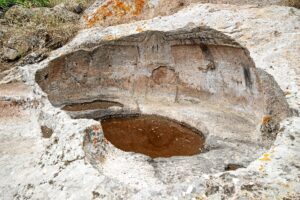
In the hamlet of Terraseo, at Strumpu Bagoi, are the remains of a Punic-era temple dedicated to Demeter and Kore: terracotta votive figurines of the goddess were found on the altar.
Church of San Nicolò
The parish church keeps a bell tower from the Benedictine period and a 16th-century wooden statue of the patron saint.
Other sites
The area also has the Su Bacculu cave with stalactites and flowstone, the Early Bronze Age Atzei proto-nuraghe, dolmens and menhirs, Roman tombs at Ollastra Frogheri and the rural hamlet of Is Meddas.
Things to do in Narcao
- Guided tours of the Rosas tunnels and plant, great for kids too.
- Hiking, mountain biking and horse riding on the mining park trails and the hills.
- Concerts at Narcao Blues in late July.
- Archaeology routes linking the Punic temple, nuraghi and menhirs.
Experiences offered by local operators are right below: pick yours and book.
History
After prehistoric settlements and the Nuragic civilisation, the area saw Punic and Roman presence. The village is recorded around the year 1000 in the Sulcis district of the Giudicato of Cagliari, when Benedictine monks owned much of the fertile land. Pirate raids emptied it; resettlement began in the late 1700s and Narcao became a municipality in 1853. In the 19th and 20th centuries its story was shaped by mining.
What to eat and buy
The cooking is that of rural Sulcis: homemade bread, sheep's cheese, roast meats, olive oil and Carignano del Sulcis wine.
Festivals and traditions
- Late July: Narcao Blues, one of Sardinia's best-known music festivals, with internationally renowned artists.
- Mid-August: feast of the patron saint, San Nicolò.
Nearby
- Carbonia and its coal museum, about 20 minutes away.
- Perdaxius and the Romanesque church of San Giacomo.
- Nuxis, with Sant'Elia and the Tattinu sacred well.
- Villamassargia and the ancient olive trees of S'Ortu Mannu.
- Iglesias, a mining town with a lovely old centre, about 25 minutes away.
Getting there and when to go
From Cagliari-Elmas airport it's about 50 minutes via the SS 130 and then the foothill road towards Carbonia. Spring is ideal for hiking, late July is blues festival time, and autumn is perfect for visiting Rosas in mild weather.
FAQ
Is Narcao good for families?
Yes: the Rosas tunnel tour fascinates children and is a hands-on way to discover mining history.
Is Narcao by the sea?
No, it's inland; the beaches of the Gulf of Palmas and Sant'Antioco are about 30–40 minutes away.
When is Narcao Blues held?
Traditionally in late July.