Things to do in Pabillonis
What to see in Pabillonis, Sardinia's village of pots: Nuraxi Fenu nuraghe, a Roman bridge, churches, terracotta crafts and summer feasts.
We are gathering the first experiences for this area. Check back soon, or tell us about an operator you know.
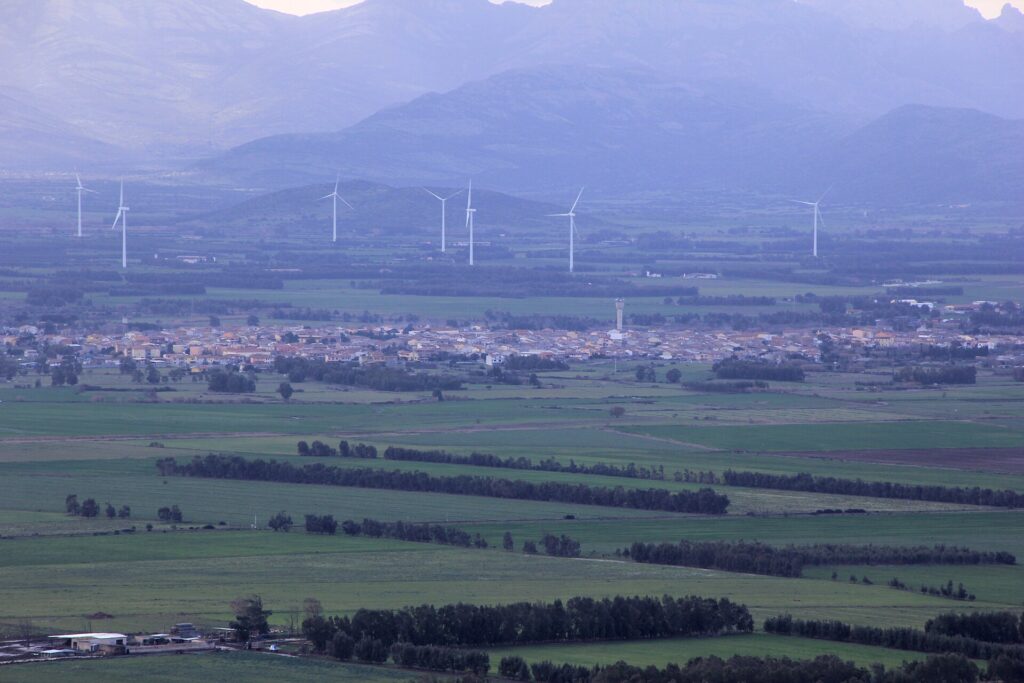
Pabillonis is a farming village in the north-central Campidano, near the confluence of the Flumini Mannu and Flumini Bellu rivers, just over 60 km from Cagliari. For centuries it has been known as sa bidda de is pingiadas, "the village of pots", thanks to the potters who work the clay of the surrounding land. Its countryside holds one of the area's most imposing nuraghi and a Roman bridge still standing: a stop for lovers of crafts, archaeology and mud-brick villages.
What to see in Pabillonis
Nuraxi Fenu nuraghe
About 3 km from the village, this is the most important nuraghe (Bronze Age stone tower complex) in the area: it dates to the Middle Bronze Age and covers about 2,000 square metres. Finds such as pottery, lamps and Roman coins are in Sardara's archaeological museum. It is part of the Pabillonis archaeological park, created in 2018.
Santu Sciori and San Lussorio
Where the original village stood before Saracen raids destroyed it, you'll find its remains, the little church of San Lussorio and the Nuragic complex of Santu Sciori, with a multi-lobed bastion later used for burials in the Middle Ages.
Su Ponti de sa Baronessa
A Roman bridge still standing on an ancient route. The area also has the S'Ena e Zimini giants' tomb.
Churches of San Giovanni Battista and the Beata Vergine della Neve
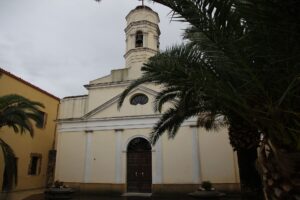
San Giovanni Battista, a 12th-century Romanesque church, is the oldest in the village. The 16th-century parish church of the Beata Vergine della Neve holds frescoes, a wooden tabernacle, part of an 18th-century altar and a 19th-century organ.
Mud-brick house museum
It tells the story of traditional building with ladiri, the mud-and-straw bricks still seen in many village houses.
Things to do in Pabillonis
Visit a potter's workshop and watch pots and sciveddas, the large glazed basins of tradition, take shape; then explore the plain by bike or on foot as far as Nuraxi Fenu and the Roman bridge. Pabillonis is also close to the Sardara spa and the Guspini mines. Discover the experiences offered by local operators below.
History
The first human traces date to the Neolithic. The name appears in the 1388 peace documents between Aragon and Arborea as Paviglionis and probably comes from the Latin pavilio, a military camp. The village belonged to the Giudicato of Arborea; after its fall it passed to the Marquisate of Oristano, to Aragon and to various feudal families until it was redeemed in 1839. In 1584 it was sacked by Moorish raiders, and in 1934 the marshes around the Flumini Mannu were drained.
Food and shopping
The perfect souvenir is a terracotta pot or pan by a master potter, along with baskets and items in wicker, wood and cane. In the kitchen you'll find Campidano farm flavours and, at year's end, the cooked wheat with grape must and honey of su trigu cotu.
Festivals and traditions
- Sant'Antonio abate (mid-January): a huge night bonfire.
- San Giovanni Battista (24 June).
- Beata Vergine della Neve (early August): patron saint's feast.
- San Lussorio (August): at the country church.
- Martyrdom of St John (late August): parade of is carrus de s'àlinu, ox carts and tractors decorated with alder branches.
- Su trigu cotu (31 December): cooked wheat handed out door to door as a New Year wish.
Around Pabillonis
- Sardara (about 6 km): the Nuragic sanctuary of Sant'Anastasia, Monreale castle and the spa.
- San Gavino Monreale: saffron and the Gothic church.
- Guspini: columnar basalts and the Montevecchio mines.
- Mogoro: the Cuccurada nuraghe.
Getting there and when to go
Cagliari's airport and port are about an hour by car via the SS 131. The village station no longer serves passengers: use San Gavino's. Spring and autumn are ideal for the countryside; August is festival month.
FAQ
Why is Pabillonis called "the village of pots"?
Because of its centuries-old tradition of potters, who still work the clay from nearby fields.
How far is Nuraxi Fenu from the village?
About 3 km, easy to reach by car or bike.
How long do you need?
Half a day for the village and nuraghe; a full day if you add Sardara.