Things to do in Perdaxius
Perdaxius, Sardinia: the Romanesque church of San Giacomo, the San Leonardo sanctuary, nuraghi, traditional breads, sweets and festivals.
We are gathering the first experiences for this area. Check back soon, or tell us about an operator you know.
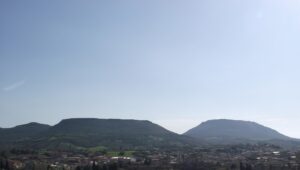
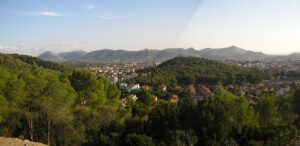
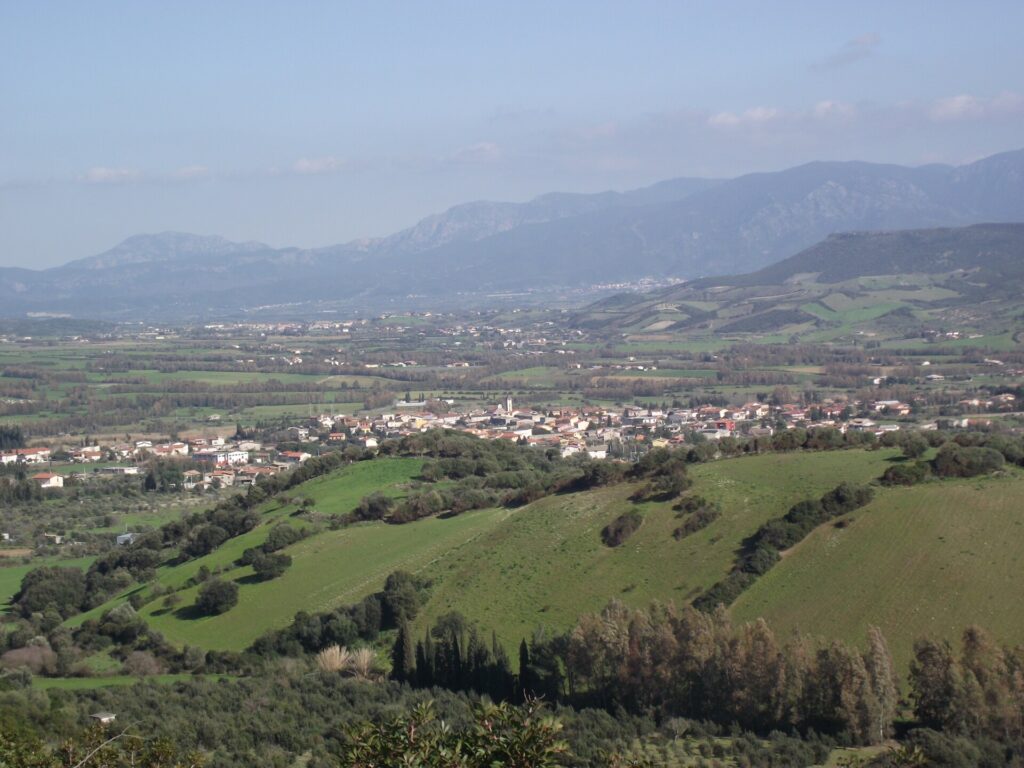
Perdaxius is a small village in the heart of the Sulcis, in south-west Sardinia, on a plain at the foot of rocky hills such as Monte S'Orcu, a few minutes from Carbonia. Its name probably comes from the Latin Petrarium, "stony place", which suits the landscape well. With Romanesque churches, nuraghi and a cuisine of traditional breads and sweets, it's a pleasant stop for exploring the Sulcis at a relaxed pace.
What to see in Perdaxius
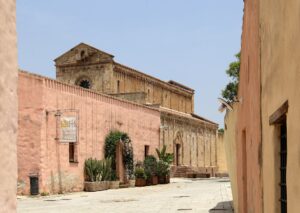
Romanesque church of San Giacomo
Built in the 13th century and restored, it has a façade of dark volcanic stone and a bell gable. Nearby, the parish church of San Giacomo, from 1959, is the hub around which the village streets grew.
Sanctuary of San Leonardo
On the outskirts, among ancient olive trees, stands the sanctuary of San Leonardo: its façade was rebuilt in the 1600s, and inside, the cabinet holding the saint's statue has doors painted in the Spanish period.
Nuraghi and ancient traces
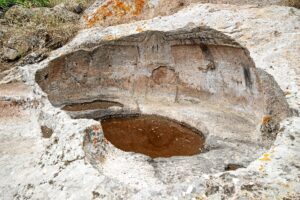
The Camboni nuraghe, on the edge of the village, and the one on Monte S'Orcu recall the Nuragic age (Bronze Age stone towers); at Su Moinu, natural caves were used as burials in the Bronze Age. In the hamlet of Pesus are traces of the Benedictine convent of Su Corrali.
Things to do in Perdaxius
The hills around the village, with their rock formations, are good for walks and mountain-bike rides, while the Rio Monte S'Orcu flows down towards Lake Monte Pranu. It's also a good starting point for the mining history of the Sulcis: silver-bearing lead was once extracted at the Peppixedda and San Simplicio mines. Discover the experiences of local operators below.
History
The area was already inhabited in the Nuragic age. The village grew in the Middle Ages around a Benedictine convent and was part of the Sulcis district of the Giudicato of Cagliari; recorded from 1260, it was abandoned in 1421. Resettled in the 1700s, it became an independent municipality in 1958.
What to eat and buy
The table is generous: sheep's and goat's cheeses, lamb, kid and suckling pig, and Carignano, Monica and Cannonau wines. Bread plays a special role: civraxiu, coccoi, Easter bread with eggs and pani de sposoriu for big celebrations. Sweets include bianchinus, gueffus, pabassinas, pardulas, pirichittus and pistoccus. The village is also known for leatherwork.
Festivals and traditions
- Easter: traditional bread with eggs is baked.
- Pentecost: feast of San Leonardo at the sanctuary.
- Late July: feast of the patron saints, St James and St Anne.
Nearby
- Carbonia, with its coal museum and the Monte Sirai archaeological park, about 10 minutes away.
- Tratalias and the cathedral of Santa Maria di Monserrato.
- Rosas mining village in Narcao.
- Sant'Antioco and the Gulf of Palmas, about 25 minutes away.
Getting there and when to go
From Cagliari-Elmas airport it takes about 55 minutes via the SS 130 towards Iglesias and then the roads to Carbonia and Narcao. Spring and autumn are ideal for walking; in late July the patron saints' feast livens up the village.
FAQ
Is Perdaxius by the sea?
No, it's inland; the nearest beaches, towards Sant'Antioco and Porto Botte, are about 25 minutes away.
What can you see in half a day?
The Romanesque church of San Giacomo, the San Leonardo sanctuary and the Camboni nuraghe.