Things to do in Sardara
Things to do in Sardara, Sardinia: hot springs, Sant'Anastasia sacred well, Monreale castle, Villa Abbas museum, festivals, local food and tips.
We are gathering the first experiences for this area. Check back soon, or tell us about an operator you know.
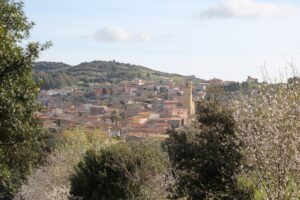
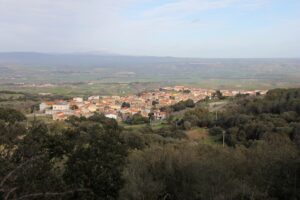
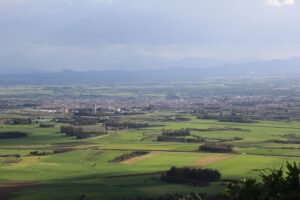
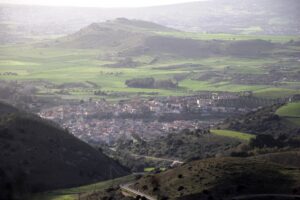
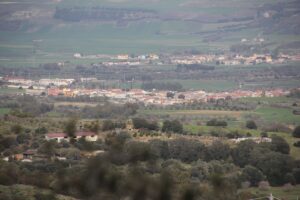
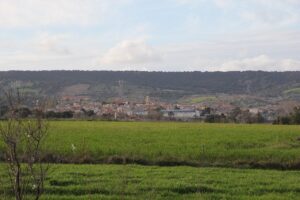
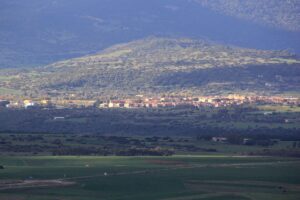
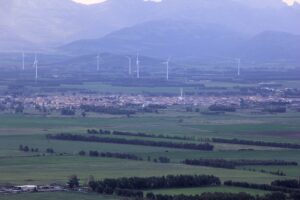
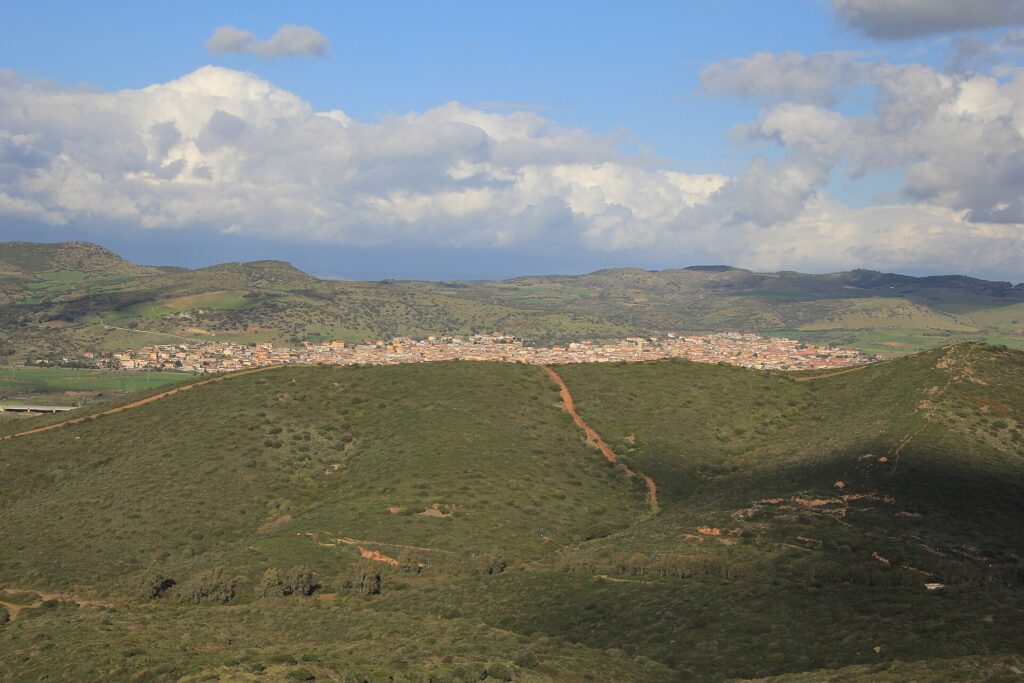
Sardara, Sàrdara in Sardinian, is a farming and spa town where the Campidano plain meets the Marmilla hills, almost halfway between Cagliari and Oristano. It's known for its hot springs, used since Roman times, but it also hides a nuragic sacred well in the heart of town and the ruins of Monreale castle overlooking the plain. Holder of the Touring Club's Orange Flag since 2005, it's perfect if you're after relaxation, history and a handy base for exploring southern Sardinia.
What to see in Sardara
Sant'Anastasia sacred well
In the centre lies the nuragic sanctuary of Sant'Anastasia, with a well temple in basalt and limestone that is among the oldest and best preserved on the island. Twelve steps lead down to a round chamber with a corbelled dome, where water, believed to heal, was worshipped. Around it are parts of the nuragic village from which the town grew, and the little church of Sant'Anastasia, Byzantine in origin and rebuilt in the 15th century, with a second nuragic well inside.
Villa Abbas Museum
The Villa Abbas archaeological museum displays finds from the Sant'Anastasia village and the area, from the Neolithic to the late Middle Ages, including an altar shaped like a nuraghe and objects in terracotta, lead and bronze. It's one of the few Sardinian museums with a tactile route for blind visitors.
Monreale castle
On a conical hill south-west of town stand the ruins of Monreale castle, the main southern stronghold of the Judicate of Arborea. It once had a keep, eight towers and a wall about a kilometre long enclosing a village. Mariano IV and Eleonora of Arborea stayed here. From the top you can see across the Campidano from the Gulf of Oristano to the Gulf of Cagliari.
Churches and old town
The old town, with cobbled streets and stone Campidano houses with grand doorways, has the Romanesque-Gothic church of San Gregorio Magno (early 14th century) with a fine mullioned window, and the 17th-century parish church of the Beata Vergine Assunta, with an organ from 1758. Near the spa is the sanctuary of Santa Maria de is Acuas, "Our Lady of the Waters", a pilgrimage site.
Things to do in Sardara
The classic experience is a day at the thermal baths, about 2 km from town in a green valley below Monreale: the water gushes out at 50–68 °C and is used for baths, mud and wellness treatments. Next to the modern spas lie the ruins of the Roman baths, the Aquae Neapolitanae. You can walk up to Monreale castle for the views, follow an archaeology trail linking the sacred well, the museum and local nuraghi, or cycle through fields and hills. Sardara is also a strategic base for day trips to the Giara, Barumini and the Costa Verde. Discover the experiences offered by local operators right below.
History
In nuragic times the area was densely settled, with some thirty nuraghi, villages and sacred wells; in 1912 the famous bronze archer figurines were found near Sant'Anastasia. In Roman times the baths belonged to the territory of the city of Neapolis. The present town grew in the Middle Ages under the Judicate of Arborea, in the shadow of Monreale, a key fortress in the wars against Aragon: in 1324 Teresa d'Entença, wife of the future King Alfonso IV, stayed here, and in 1409, after the battle of Sanluri, the last judge of Arborea took refuge here. Under Aragon the town remained a fief until 1839.
What to eat and buy
Food here is Campidano cooking: rustic bread, fresh pasta such as malloreddus, garden vegetables, cheeses and roast meats, with almond sweets and local wines. A few kilometres away, San Gavino Monreale grows the PDO Sardinian saffron, a great souvenir along with olive oil and cheese.
Festivals and traditions
- Santa Maria de is Acuas (September): the main festival, four days around the second-to-last Monday of the month, drawing tens of thousands of pilgrims; the statue is carried in procession from the parish church to the sanctuary. A smaller feast, sa festa de is pastoris, is held in May.
- Beata Vergine Assunta, the patron saint, in mid-August.
- San Gregorio Magno (early September) and Sant'Anastasia (November).
Nearby
- Villanovaforru, with Nuraghe Genna Maria and its archaeology museum, minutes away.
- Sanluri, with its medieval castle, about 10 minutes.
- Su Nuraxi at Barumini, a UNESCO site, about half an hour.
- Costa Verde and the Piscinas dunes, for the nearest sea, about an hour away.
Getting there and when to go
Sardara is on the SS131 Carlo Felice highway, with its own exit: Cagliari airport and port are about 50 minutes' drive, Oristano about 40. The spas are open for much of the year and are especially pleasant in autumn and winter; spring is ideal for climbing Monreale and exploring; September combines mild weather with the great Santa Mariàcuas festival.
FAQ
Are the Sardara spas open all year?
They operate for most of the year, but it's worth checking dates and services before you go.
How long do I need for Sardara?
Half a day for the sacred well, museum and old town; a full day if you add Monreale castle or the spa.
Is Sardara good for families?
Yes: kids find the sacred well and the castle fascinating, and the central location makes day trips to nearby nuragic sites and theme parks easy.