Things to do in Guasila
Guasila, Sardinia: Gaetano Cima's domed sanctuary, the Scrinia Sacra museum, the Nuragic palace of Barru and August festivals.
We are gathering the first experiences for this area. Check back soon, or tell us about an operator you know.
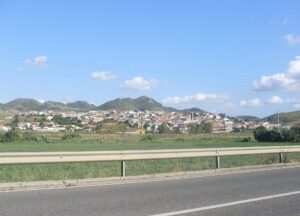
Guasila, with about 2,400 inhabitants, is one of the main towns of the Trexenta, the historic grain belt of southern Sardinia, and is still regarded as a small «capital» of durum wheat. It stands out for its large domed neoclassical church by architect Gaetano Cima and for its mid-August festivals, among the most original on the island. Around it lie rock-cut tombs, giants' tombs and a Nuragic «palace». Ideal for lovers of sacred art, folk traditions and archaeology.
What to see in Guasila
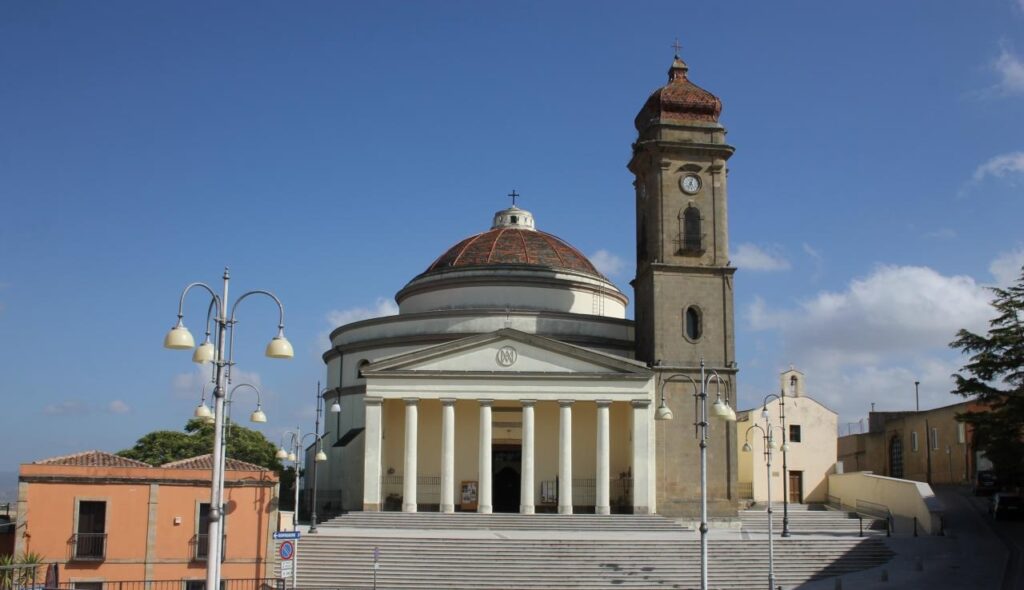
Sanctuary of the Beata Vergine Assunta
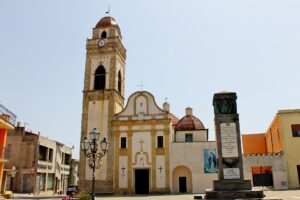
The parish church was built between 1842 and 1852 to a design by Cagliari architect Gaetano Cima: it has an octagonal plan, a large dome and a portico with six Doric columns. Inside are marble, paintings and furnishings from the earlier church, such as the pulpit and baptismal font. The 17th-century bell tower is 35 metres tall. Since 2002 it has been a diocesan sanctuary.
Scrinia Sacra museum
Next to the church, in the former grain store, old town hall and old jail, this sacred art museum displays liturgical objects, reliquaries, votive offerings, jewellery and vestments from the 16th to the 20th century.
Other churches
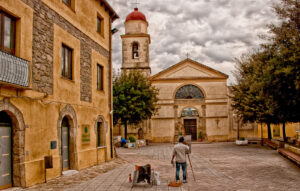
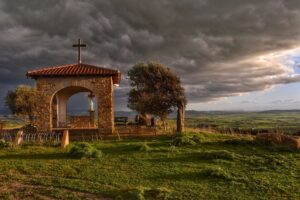
See the small 16th-century church of Santa Lucia, the church of Santa Maria Maddalena and, about three kilometres away, the 13th-century Romanesque church of Nostra Signora d'Itria, on the site of the lost village of Bangiu. The town also keeps manor houses with grand doorways.
Archaeology
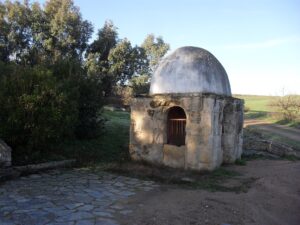
The area includes the domus de janas (rock-cut tombs) of Is Concas, the giants' tombs of Sa Mandara and the Gutturu Caddi sacred well. On the border with Guamaggiore stands the «Nuragic palace» of Barru, a three-lobed nuraghe with an inner well, excavated since 2010.
Things to do in Guasila
The farmed hills of the Trexenta are great for cycling and horse riding among wheat fields, country churches and archaeological sites. A guided visit to the sanctuary and museum reveals the town's treasures; in summer, the mid-August festivals are a unique experience. Find activities from local operators below.
History
The area was inhabited in pre-Nuragic, Nuragic, Punic and Roman times. In the Middle Ages Guasila belonged to the Trexenta district of the Judicate of Cagliari; it then passed to Arborea, Pisa and in 1324 to Aragon. From 1497 it was part of the county, later marquisate, of Villasor. Seventeenth-century plagues emptied much of the village; the fief was redeemed in 1839.
Food and shopping
Durum wheat is the star: bread, fresh pasta and semolina sweets express the town's identity, just like the ear of wheat on its coat of arms.
Festivals and traditions
- Carnival: horseback jousts called is cursas a su stampu.
- Monday after Pentecost: the statue of the Virgin of Itria is carried to the country church and brought back the next day.
- 13–14 August: the Dormitio Virginis, a rite of Byzantine origin in which the statue of the sleeping Virgin is dressed and carried in procession on a golden bed.
- 14 August, at dawn: Sa cassa de s'acchixedda, the «heifer hunt», in which young riders try to lasso a heifer.
- 15 August: the Palio di Santa Maria, a bareback horse race.
Nearby
- Guamaggiore: the Nuragic palace of Barru.
- Ortacesus: the Grain Museum.
- Senorbì: Sa Domu Nosta museum and the Monte Luna necropolis.
- Suelli: the former cathedral and the sanctuary of San Giorgio.
Getting there and when to go
Cagliari's airport and port are about 50 minutes away by car. The liveliest time is mid-August, with the Assumption festivities; spring and autumn are ideal for outings.
FAQ
When should I visit Guasila?
In mid-August to see the Dormitio Virginis, the heifer hunt and the Palio; in spring for the blossoming countryside.
How long do I need in Guasila?
Half a day for the sanctuary, museum and centre; a full day if you add the archaeological sites.
Is Guasila family-friendly?
Yes, especially during the August horse festivals, which fascinate children too.