Things to do in Mogoro
Mogoro, Sardinia: handwoven rugs, the summer crafts fair, San Bernardino and Carmine churches, Cuccurada nuraghe and Semidano wine.
We are gathering the first experiences for this area. Check back soon, or tell us about an operator you know.
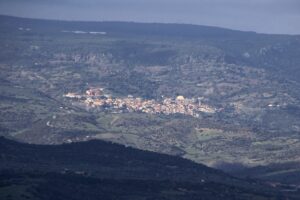
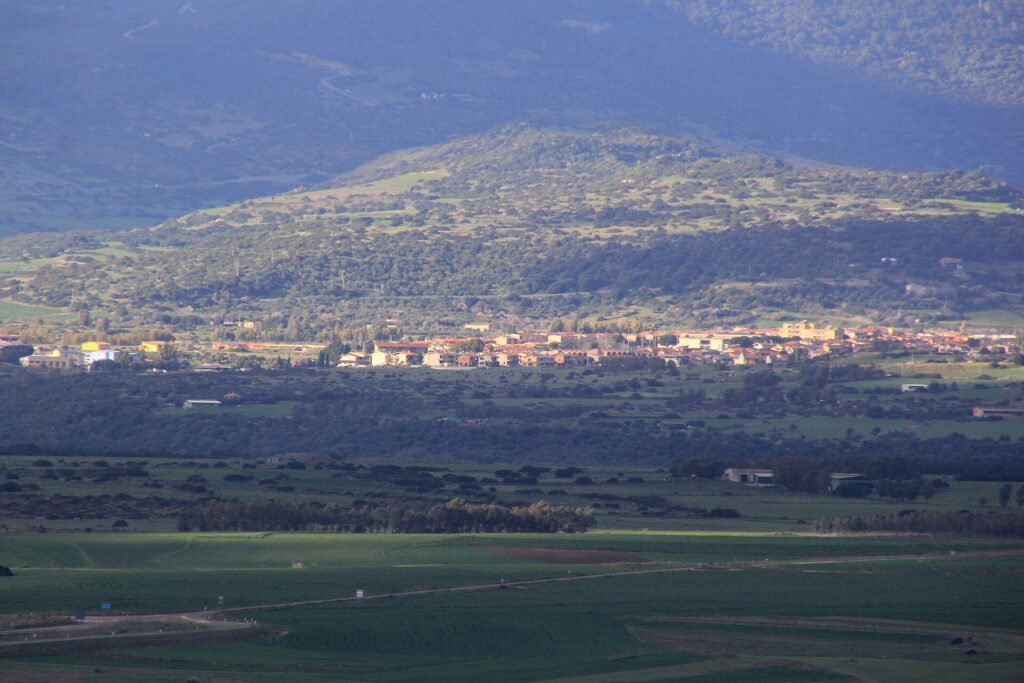
Mogoro is the largest town in the Marmilla, home to almost four thousand people, set on a plateau on the southern slopes of Monte Arci, about 35 kilometres from Oristano. It is famous across Sardinia for its handwoven rugs and tapestries and for the arts and crafts fair that draws visitors from all over Europe every summer. It is also worth visiting for its churches, the Cuccurada archaeological area and its wine. It is perfect for lovers of crafts, traditional culture and good food.
What to see in Mogoro
The church of San Bernardino
The parish church blends late Romanesque forms with Baroque additions. Inside the single nave, frescoes tell the saint's life, and a relic linked to a Eucharistic miracle of 1604 is kept here.
The church of the Carmine
Built in the early 14th century in Romanesque-Gothic style, it belonged to a Carmelite convent that remained active until 1855. It is one of the town's oldest monuments.
Santa Maria Carcaxia and Sant'Antioco
The country church of Santa Maria Carcaxia, possibly dating back to around the year 1000 and rebuilt several times, stands among vineyards and olive groves on the site of a lost medieval village. The little church of Sant'Antioco sits on a hilltop reached by a scenic stairway.
Cuccurada archaeological area
Of the area's 27 nuraghi, Cuccurada is the one excavated and open to visitors: a multi-lobed nuraghe built over an older corridor nuraghe, with a pentagonal courtyard enclosed by walls and towers, hut remains and traces of use into the Middle Ages. Its unusual layout makes it unique. It is open in the warmer months.
Things to do in Mogoro
People come to Mogoro for its crafts: in the 19th century hundreds of home looms worked in the town, and rugs, tapestries, blankets and traditional costumes are still made today, alongside carved wooden furniture and objects. Visiting a weaving workshop, tasting wine from the local cooperative winery and walking on Monte Arci, the land of obsidian, are the most authentic experiences. Check out those offered by local operators just below.
History
People have lived here since the Palaeolithic. In the Neolithic, the village of Puisteris, linked to the Bonu Ighinu culture, was a hub for working and trading Monte Arci obsidian, which was exchanged across the western Mediterranean. The Nuragic age left dozens of nuraghi, followed by the Romans. In the Middle Ages Mogoro belonged to the Judicate of Arborea, then passed to the Marquisate of Oristano and to the Aragonese, as a fief of the Carroz family and the marquisate of Quirra, until it was bought out in 1839.
Food and local products
Mogoro is wine country: the cooperative winery has been active since the 1950s, and the white Semidano is the town's signature wine. Local wheat makes breads such as civraxiu and coccoi and pasta such as malloreddus and fregola. Sweets include pan'e saba, pabassini and pardulas. To take home: a handwoven rug or small tapestry.
Festivals and traditions
The best-known event is the Sardinian Artistic Crafts Fair, founded in 1961 and held every summer (traditionally in August), showcasing rugs, tapestries and the best of island craftsmanship. Weaving remains a living tradition, alongside the town's religious feasts.
Nearby
- Monte Arci, with its obsidian deposits and trails.
- Masullas and the Monte Arci GeoMuseum.
- Gonnostramatza and the Turcus e Morus museum.
- Uras and the plain towards the Gulf of Oristano.
- Oristano, about half an hour away.
Getting there and when to go
Mogoro lies right on the SS131 highway: Oristano is about half an hour away, Cagliari, with its airport and port, about an hour. The beaches of the Gulf of Oristano are just under an hour's drive. Summer is fair season; spring and autumn are ideal for Cuccurada and Monte Arci.
Frequently asked questions
When is the Mogoro crafts fair?
Every summer, traditionally in August: check the current dates before you travel.
How long do I need for Mogoro?
A day lets you see the churches, Cuccurada and a weaving workshop at a relaxed pace.
What should I buy in Mogoro?
Handwoven rugs and tapestries, carved wooden pieces and a bottle of Semidano.