Things to do in Ortacesus
Ortacesus, Sardinia: the Grain Museum, the 12th-century church of San Bartolomeo, nuraghi, springs and the summer Grain Festival.
We are gathering the first experiences for this area. Check back soon, or tell us about an operator you know.
Ortacesus is a small village of about 850 people in the Trexenta, roughly 40 km from Cagliari, set on a fertile plain north of the Flumini Mannu river. It has always been wheat country: in Roman times the area was one of the «granaries of Rome», and cereals still dominate the fields. Its highlight is the Grain Museum, a simple and engaging look at farming life. Ideal for families, school groups and travellers curious about rural Sardinian traditions.
What to see in Ortacesus
The Grain Museum
Set in the old Casa Serra, the museum displays tools linked to the wheat cycle, including a rare wooden millstone. It tells the story of men's work, from sowing to harvest, and women's work, from weaving to bread-making. The visit also includes the «bread route» and workshops on mud bricks and local flavours.
Churches
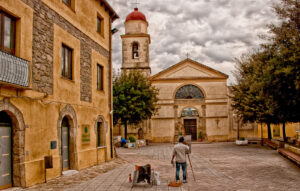
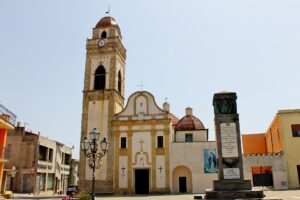
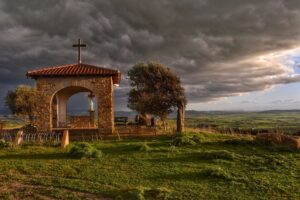
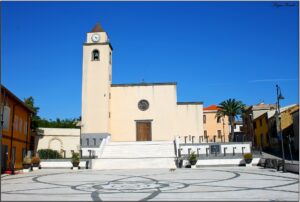
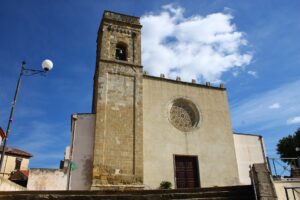
In the centre stands the parish church of San Pietro Apostolo, built in the late 16th–early 17th century in Catalan Gothic style, with a wooden altar and 17th- and 18th-century statues. About a kilometre from the village is the 12th-century church of San Bartolomeo, believed to be the church of the original settlement.
Nuraghi and springs
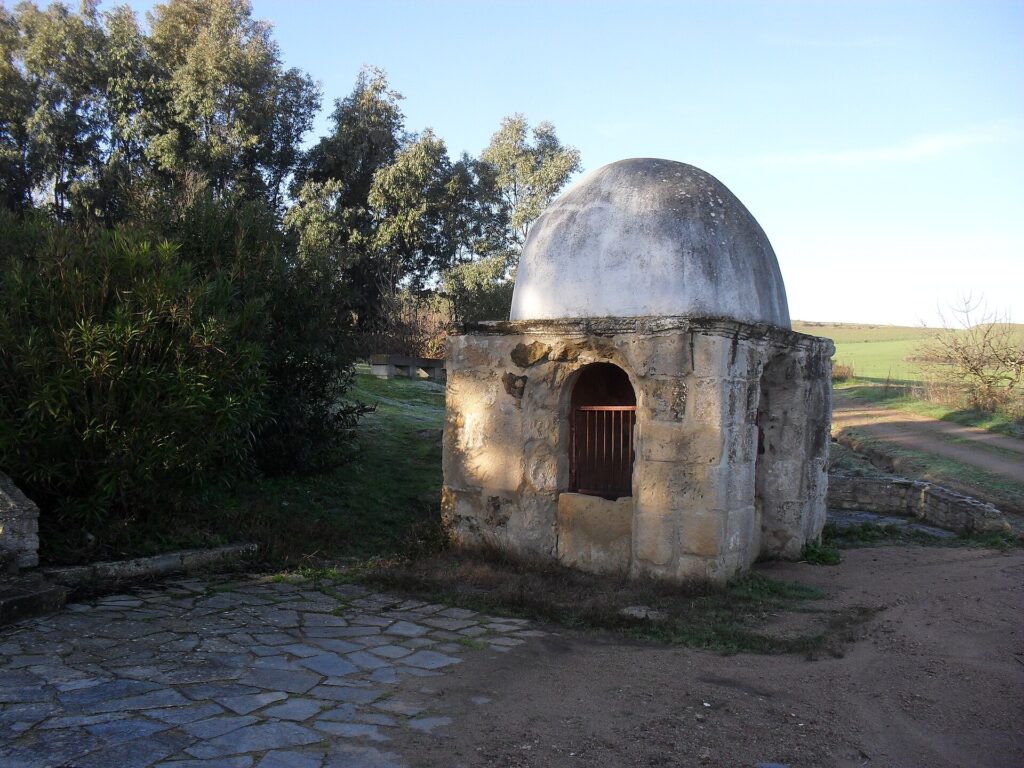
The best-known nuraghe (Bronze Age stone tower) is S'Omu de s'Orcu, on the border with Guasila. Along the road to Guasila you'll find old springs such as Mitza s'Orrù, shown on the village coat of arms, Mitza su Fenu and Fontana Bangius, linked to a Roman bath complex.
Things to do in Ortacesus
The Trexenta's almost flat country roads are perfect for cycling and walks among wheat fields that turn golden in late spring. Pair the museum with a bread workshop or a tasting of local produce. Scroll down for experiences offered by local operators.
History
The area was inhabited in Nuragic and Roman times. In the Middle Ages the village, recorded as Ozrokesus and later Orzochesos, belonged to the Trexenta district of the Judicate of Cagliari; it then passed briefly to Arborea, to Pisa and in 1324 to Aragon. From 1497 it was part of the county, later marquisate, of Villasor until it was redeemed in 1839. Between 1928 and 1946 it was merged with Selegas.
Food and shopping
Wheat is the star: traditional bread, pasta and semolina sweets. Vegetables and vines are also grown. Local crafts include embroidery for traditional costumes, weaving and the making of launeddas, Sardinia's ancient triple reed pipes.
Festivals and traditions
- Late June: feast of the patron saint, San Pietro Apostolo.
- Summer: the Grain Festival, celebrating harvest traditions.
Nearby
- Senorbì: Sa Domu Nosta museum and the Monte Luna necropolis.
- Guasila: the neoclassical parish church by Gaetano Cima.
- Suelli: the former cathedral and the sanctuary of San Giorgio.
- Guamaggiore and Selegas: small Trexenta villages a few minutes away.
Getting there and when to go
Cagliari's airport and port are about 45 minutes away by car, via Senorbì. Late spring, when the wheat ripens, is the best time, or summer for the Grain Festival.
FAQ
Is the Grain Museum good for kids?
Yes, the tools and bread workshops make it an enjoyable visit for families and schools.
How long do I need in Ortacesus?
A couple of hours for the museum and village; combine it with Senorbì or Guasila for a full day in the Trexenta.
Is Ortacesus near the sea?
No, it's inland; the beaches of the Gulf of Cagliari are about an hour's drive away.