Things to do in Banari
Things to do in Banari, Sardinia: Romanesque Santa Maria di Cea, San Michele, a contemporary art museum, nuraghi and the Banari onion.
We are gathering the first experiences for this area. Check back soon, or tell us about an operator you know.
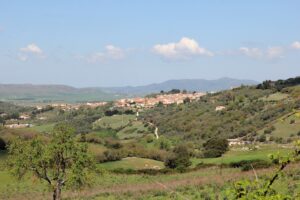
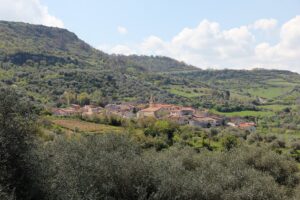
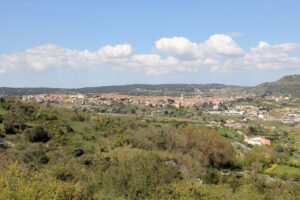
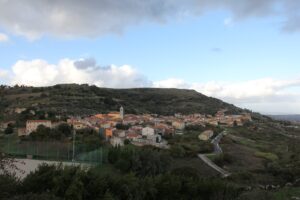
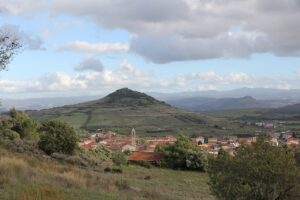
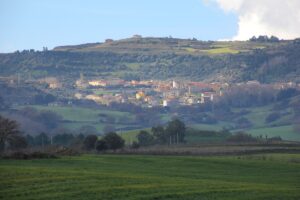
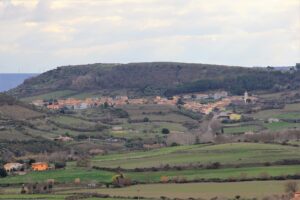
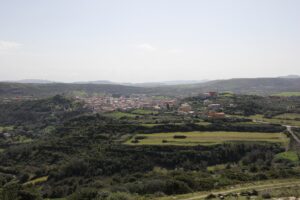
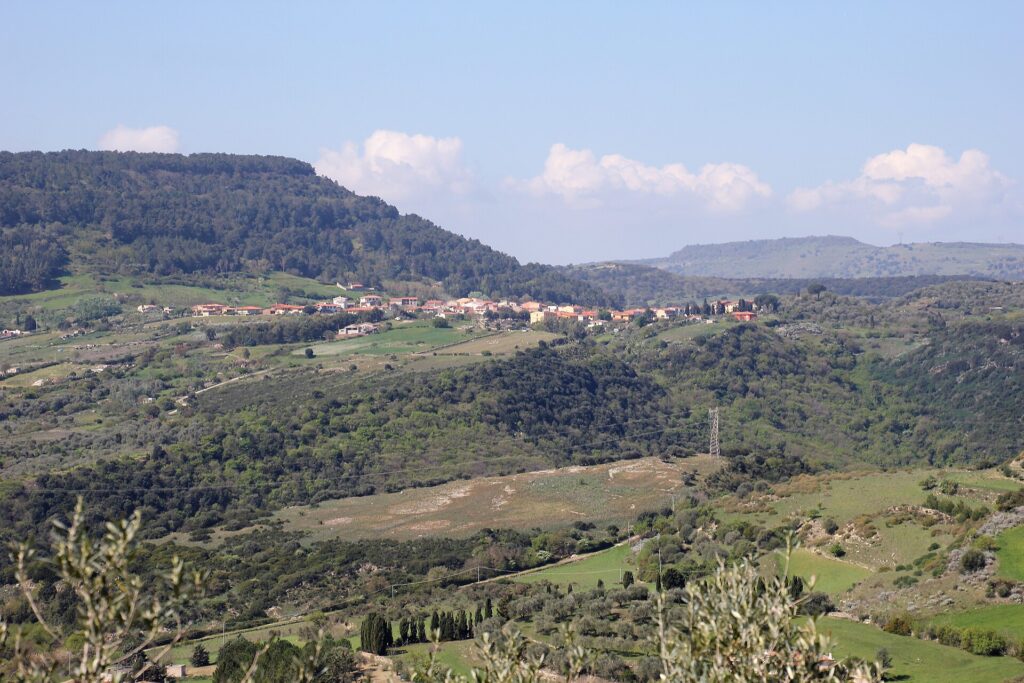
Banari is a farming and shepherding village of about 500 people in the Meilogu, at the foot of Pale Idda hill, roughly half an hour by car from Sassari. Part of the Borghi Autentici d'Italia network, it surprises visitors with Romanesque churches, red-stone façades, a contemporary art museum and a long tradition of terracotta crafts. Its name is also tied to a local crop: the Banari onion. Perfect if you love art, local flavours and countryside dotted with nuraghi.
What to see in Banari
Santa Maria di Cea
In a fertile valley just outside the village stands Santa Maria di Cea, a Romanesque church from the second half of the 12th century with a limestone façade, linked to an old priory. It's the most atmospheric spot in the area and the focus of two feasts dedicated to the Virgin.
Village churches
The parish church of San Lorenzo dates back to the 12th century, was rebuilt in the 1700s and has a 19th-century neoclassical façade. The Romanesque church of San Michele Arcangelo is also 12th-century: both were given to Camaldolese monks by the judge of Torres in 1113. Next to the parish church, the Oratory of Santa Croce stands out for its red-stone façade.
Contemporary art museum and old town
A noble palace houses the Fondazione Meilogu and its contemporary art museum, devoted to artists active from the 1950s. Also worth a look are the red-trachyte town hall on Piazza Sas Bovedas and the old Savoy-era agricultural credit bank.
Nuraghi and domus de janas
The area has around ten nuraghi, such as Sa Tanchitta and Corona Alta in red trachyte and Su Crapione in pale stone, plus several domus de janas (rock-cut tombs), here called coroneddos, carved into the tuff.
Things to do in Banari
The Badde Manna oasis and the Corona Alta heights invite walks and bike rides among red rocks, pastures and nuraghi. In the village you can visit artisans' workshops: terracotta potters, blacksmiths and leatherworkers. Below you'll find the experiences offered by local operators: choose yours and discover the Meilogu with people who know it.
History
The area has been inhabited since the late Neolithic, as the rock-cut tombs show, and has Bronze Age nuraghi and a Roman necropolis. In the Middle Ages Banari belonged to the Judicate of Torres, then passed to the Doria family and Aragonese Sardinia. In 1839 the village bought its freedom from its last feudal lord, the Count of Montesanto, and became a self-governing municipality.
What to eat and buy
The best-known product is the golden-skinned Banari onion. For dessert, try biancheddus, almond meringues, and cozzuleddas, fritters with honey and orange. To take home: terracotta, wrought iron and leather made by local artisans.
Festivals and traditions
- Santa Maria di Cea, on 25 March and 8 September.
- San Lorenzo, the patron saint, around 10 August.
- San Michele Arcangelo, in late September.
- Carrelas in festa, in December, with local produce, costumes and old crafts in the streets.
- Onion festival, celebrating the village's signature crop.
Nearby
- Bessude, about 3 km away, with Gothic churches and murals.
- Siligo, with Nostra Signora di Mesumundu and the Maria Carta museum.
- Thiesi, with the painted tombs of Mandra Antine.
- Ittiri and the road to Alghero.
Getting there and when to go
Banari is about 30 minutes from Sassari via the SS 131 and the Meilogu provincial roads. The nearest airport is Alghero-Fertilia, about 50 km away, and the nearest port is Porto Torres. Spring and early autumn are ideal for hiking; 8 September brings the much-loved Cea feast, and in December Carrelas in festa livens up the village.
FAQ
How long do you need for Banari?
Half a day for the village, the museum and Santa Maria di Cea.
What should I buy in Banari?
Local onions, traditional sweets and handmade terracotta.
Is Banari good for families?
Yes: it's quiet, with easy nature and craft workshops that children find fascinating.