Things to do in Ittireddu
Things to do in Ittireddu, Sardinia: archaeological museum, Romanesque San Giacomo, domus de janas, nuraghi, a sacred well and a Roman bridge.
We are gathering the first experiences for this area. Check back soon, or tell us about an operator you know.
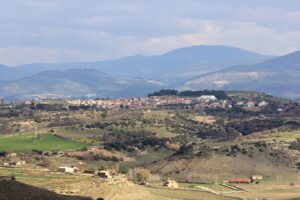
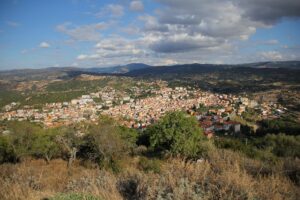
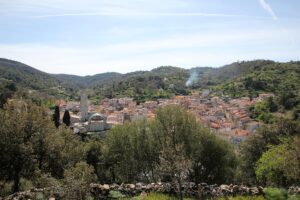
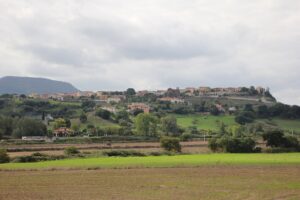
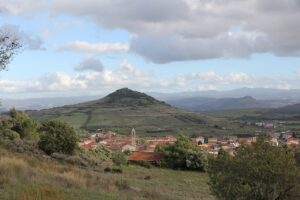
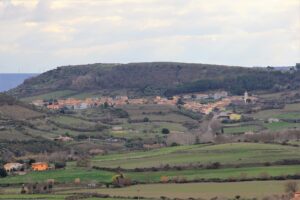
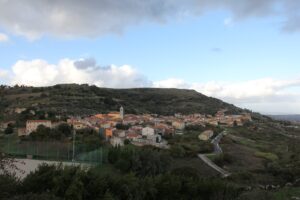
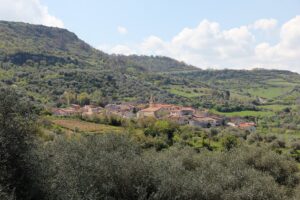
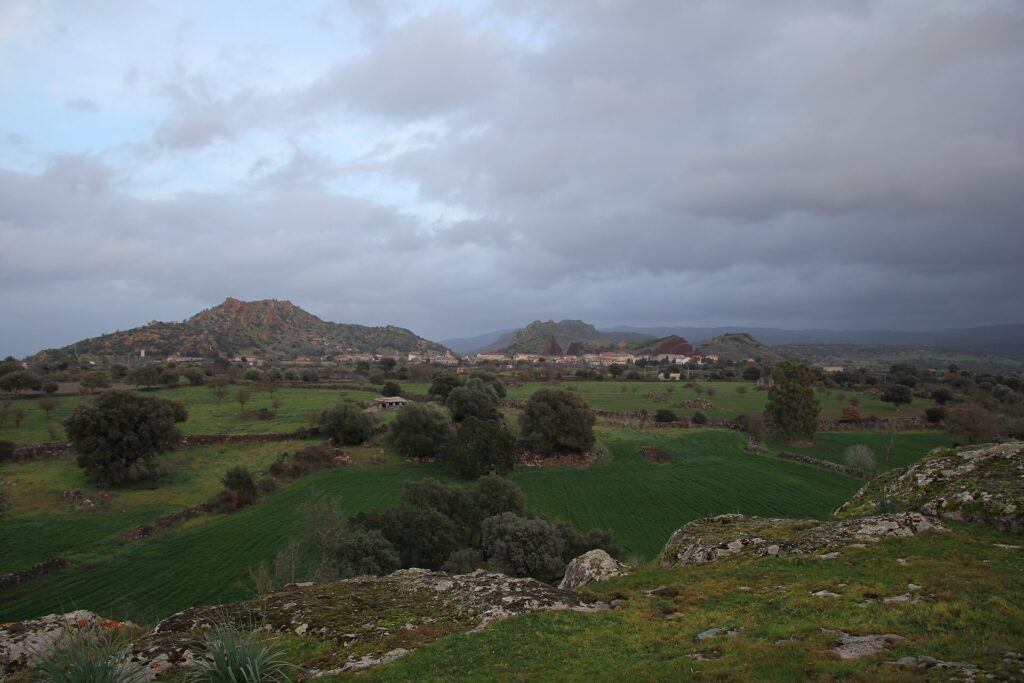
Ittireddu is a small village of fewer than 500 people in the Logudoro, about 50 km from Sassari, built on Monte Ruiu (“red mountain”) and surrounded by ancient extinct volcanoes. Its name means “little Ittiri”. Small as it is, its territory is an archaeological treasure chest: dozens of domus de janas, nuraghi, a sacred well, a Roman bridge and a museum that tells the whole story. It's the right place if you love prehistory, Romanesque churches and authentic villages far from the crowds.
What to see in Ittireddu
Archaeological and Ethnographic Museum
The Civic Archaeological and Ethnographic Museum displays finds from prehistory to the Middle Ages, including material from the Funtana nuraghe: stone tables, pottery and a vessel that held about 20 kg of copper ingots. The ethnographic section shows rural and pastoral life, the making of cheese, bread and sweets, basket weaving and textiles.
Churches
About 1 km from the village stands San Giacomo, a 12th-century Romanesque church with bare stone walls, a single nave and a timber roof. In the village, Santa Croce has Byzantine origins and sits beside an 1861 fountain in pink tuff; the parish church of Nostra Signora Inter Montes houses a 17th-century wooden statue.
Archaeological sites
- Domus de janas: around sixty rock-cut tombs in the tuff, including the Monte Pira necropolis with 26 burials from the Late Neolithic and Copper Age.
- Nuraghe Funtana, a complex with a main tower and added towers, and Sa Domo 'e s'Orku, an archaic corridor nuraghe.
- Funtana 'e Baule, a Nuragic sacred well built of tuff blocks.
- Ponte 'Etzu (“old bridge”), a Roman bridge of black basalt and pale tuff on the border with Mores.
- Olensas, rock-cut cisterns and basins once used for making olive oil.
Things to do in Ittireddu
Ittireddu is best explored on foot: short walks across volcanic hills and farmland lead to the necropolises, the nuraghi and the Roman bridge. With a guide you'll learn to read five thousand years of history in the landscape, and by bike you can link the sites with nearby villages. Check out the experiences offered by local operators below and book your excursion.
History
The area was inhabited in the Neolithic, in Nuragic times and in the Roman era, when a mansio (a staging post) stood here on the road to Turris Libisonis (today's Porto Torres). In the Middle Ages it belonged to the Judicate of Torres, then to the Doria family and Arborea; after 1420 it became an Aragonese fief. The village was freed when feudalism was abolished in 1839. In 1870 it was the epicentre of the Logudoro earthquake.
What to eat and buy
Food here is the farming and shepherding cuisine of the Logudoro: sheep's cheese, homemade bread and traditional sweets, themes you'll also find in the museum's ethnographic section. The place name Olensas recalls the ancient production of olive oil.
Festivals and traditions
The main celebration honours the patron saint Santu Jagu (St James), in late July. The local Sardinian dialect is northern Logudorese.
Nearby
- Mores, with the Sa Coveccada dolmen.
- Ozieri, with the San Michele cave and the archaeological museum.
- Nughedu San Nicolò and the Sos Furrighesos necropolis in Anela.
Getting there and when to go
Ittireddu lies near the SS 597 Sassari–Olbia road, close to Ozieri. The handiest airports are Alghero-Fertilia and Olbia, each about an hour and a half by car or a little less; the nearest ports are Porto Torres and Olbia. Spring and autumn are ideal for walking between the archaeological sites; in late July the village comes alive for Santu Jagu.
FAQ
How long do you need for Ittireddu?
Half a day for the museum and churches; a full day if you want to reach the necropolises, nuraghi and Roman bridge.
Is Ittireddu good for children?
Yes: the museum and the short walks to the domus de janas make a great open-air history lesson.
What can I combine with Ittireddu?
The Mores dolmen and the San Michele cave in Ozieri, both just a few kilometres away.