Things to do in Borutta
Things to see in Borutta, Sardinia: the Romanesque basilica of San Pietro di Sorres with its Benedictine monks, Sa Rocca Ulari cave and the Bastida.
We are gathering the first experiences for this area. Check back soon, or tell us about an operator you know.
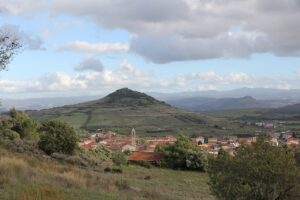
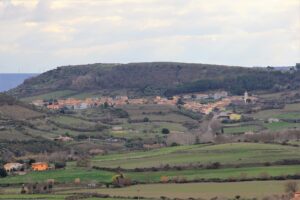
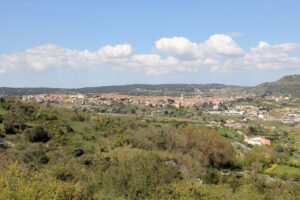
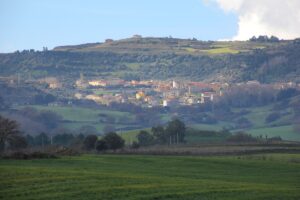
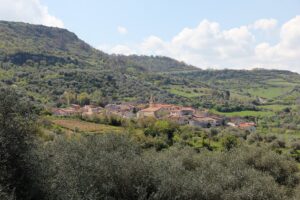
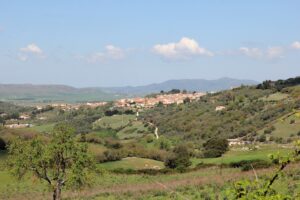
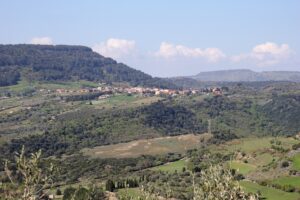
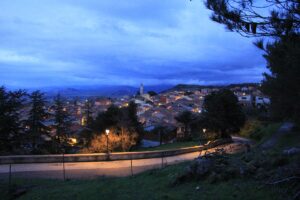
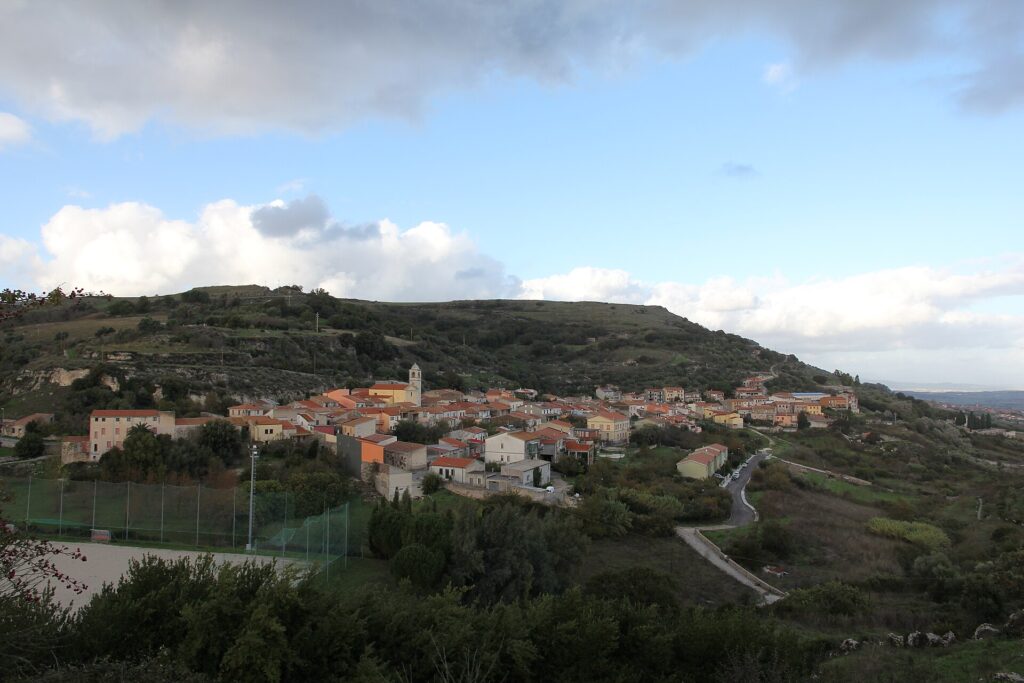
Borutta is a small village in the Meilogu, in the Logudoro, with fewer than 300 residents, lying in the Rio Frida valley south of Monte Pelao and overlooking the Sorres plain, about 40 km from Sassari. Its emblem is San Pietro di Sorres, one of Sardinia's finest Romanesque churches, still home to a community of Benedictine monks. It is a must for lovers of medieval art, places of spirituality and historical re-enactments.
What to see in Borutta
San Pietro di Sorres
On Monte Sorrano rises the basilica of San Pietro di Sorres, built between the 12th and 13th centuries in Pisan Romanesque style, with the typical bands of light and dark stone. It was the cathedral of the Diocese of Sorres until the early 16th century and has been a national monument since 1894. Since 1950 the church and adjoining monastery have housed a community of Benedictine monks. From the hill the view sweeps over the plain and the Meilogu volcanic cones.
Sa Rocca Ulari cave
Beneath the monastery lies Sa Rocca Ulari cave, lived in and used for burials as early as the late Neolithic, around 3500 BC, by the Ozieri culture. Today it shelters a large colony of bats of five species, one of the biggest on the island.
The village
The oratory of Santa Croce, from the 12th century and much altered, was the village's original parish and keeps a Romanesque apse and a Catalan-Gothic arch. The parish church of Santa Maria Maddalena dates from the 18th century. Among the lanes are the 19th-century fountains of Cantaru and Funtana, with a public wash-house still in use.
Punta 'e Mura
On the small plateau of Punta 'e Mura stand the furraghes, old lime kilns that bear witness to a century of work and industrial heritage.
Things to do in Borutta
- Visit San Pietro di Sorres and share a quiet moment with the monks.
- Walks on Monte Sorrano and across the Sorres plain.
- Archaeology trails in the nearby Valley of the Nuraghi.
- Photography of the basilica at sunset.
Below you will find the visits and hikes offered by local operators: choose yours and book.
History
The village was originally called Gruta, "cave". In the Middle Ages it belonged to the Judicate of Torres and lay near the ancient bishop's town of Sorres, later destroyed under the Aragonese: its people moved to Borutta, which became the bishop's residence. In the early 16th century the diocese was merged with Sassari. In 1750 the village joined the Marquisate of Valdecalzana and was bought out in 1839. In 1946 Borutta elected Ninetta Bartoli, one of Italy's first three women mayors.
Food and local products
The cooking is that of the Logudoro: pecorino, ricotta, lamb and suckling pig, traditional breads and sweets. Nearby Thiesi is known for its cheeses.
Festivals and traditions
- San Pietro, on 29 June: the procession leaves the village and climbs to the basilica, with worshippers in traditional dress and riders on horseback.
- La Bastida di Sorres, in August: one of Sardinia's most popular historical re-enactments, recalling the 14th-century struggles between the Doria, Arborea and the Aragonese.
Nearby
- Torralba and Nuraghe Santu Antine.
- Cheremule and the Moseddu necropolis.
- Bonnanaro and the Corona Moltana necropolis.
- Thiesi and the Aligi Sassu museum.
- Giave and Nuraghe Oes.
Getting there and when to go
The nearest airport is Alghero-Fertilia, about an hour's drive; the ferry port is Porto Torres. Leave the SS 131 towards Torralba. Late June and August bring the festivals; spring and autumn are best for walking.
FAQ
Can I visit San Pietro di Sorres?
Yes, the basilica is open to visitors, with respect for monastic life.
How long do I need for Borutta?
Half a day for the basilica and village; pair it with Torralba for a full day.
Is Borutta good for families?
Yes, especially during the Bastida di Sorres, with performers in medieval costume.