Things to do in Torralba
Things to do in Torralba, Sardinia: Santu Antine nuraghe, the Valley of the Nuraghi museum, Romanesque churches, festivals, local food and travel tips.
We are gathering the first experiences for this area. Check back soon, or tell us about an operator you know.
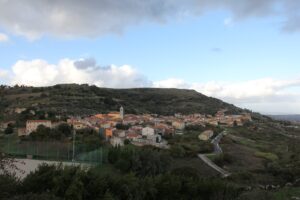
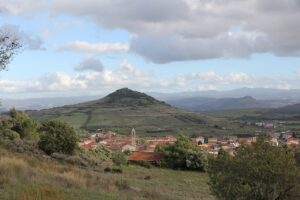
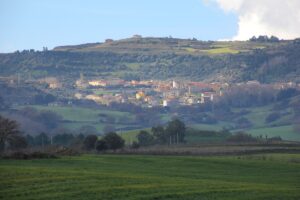
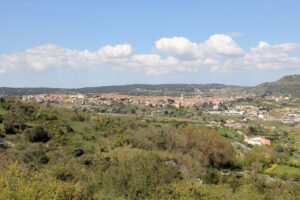
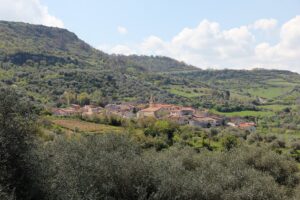
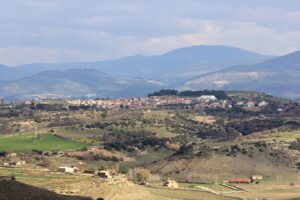
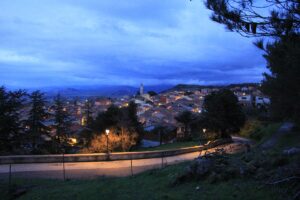
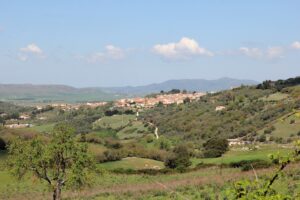
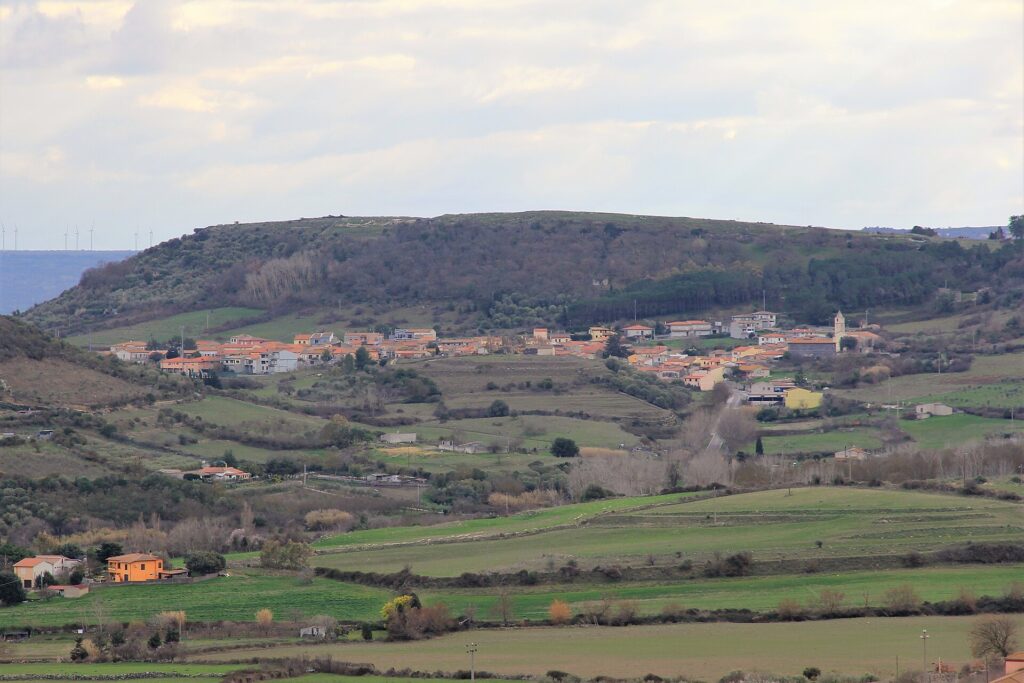
Torralba is a small farming village in the Meilogu, in north-western Sardinia, set among rolling hills about 40 minutes by car from Sassari. Its name is tied to one of the island's most striking monuments, the Santu Antine nuraghe, but the whole area is so dense with Bronze Age towers and tombs that it is known as the Valley of the Nuraghi. It's a perfect stop if you love archaeology, quiet countryside and authentic villages, and it pairs easily with a stay on the coast around Alghero or Sassari.
What to see in Torralba
Santu Antine nuraghe
A few kilometres from the village stands Santu Antine, also called Sa Domo de su Re ("the king's house"). After Su Nuraxi at Barumini it is considered the most imposing nuragic complex in Sardinia. Built from huge dressed basalt blocks and extended between the Middle Bronze Age and the Iron Age, its three-storey central tower still rises about 17 metres, wrapped in a triangular bastion with three towers linked by corridors and stairways you can still walk through. Around it lie the huts of the village, used again in Roman times. Climbing to the top and looking out over the valley is unforgettable.
Valley of the Nuraghi Museum
In the village, the Museo della Valle dei Nuraghi completes the visit: finds from the excavations, a scale model of the complex, foundry tongs and a tiny bronze dog. A Roman and medieval section includes ancient milestones in the garden, and an ethnographic section covers traditional crafts.
Churches and old centre
The old centre, with paved lanes, stone benches and fountains, is easy to explore on foot. The parish church of San Pietro Apostolo (early 17th century) holds a carved wooden altar and an 18th-century altarpiece. Out in the countryside, the Romanesque church of Nostra Signora di Cabu Abbas (12th–13th century) has an intriguing human figure carved on its façade. About 3 km from the village is the 17th-century country church of Spirito Santo, heart of the main festival.
The Valley of the Nuraghi
Torralba lies in an area where some thirty nuraghi and around ten giants' tombs are packed into a few dozen square kilometres. Besides Santu Antine you can see Nuraghe Ruju and the complex nuraghi of Cabu Abbas and Fraigas, against a backdrop of extinct volcanic cones such as Monte Oes.
Things to do in Torralba
Torralba is a place to enjoy slowly. The highlight is a guided visit to Santu Antine and the museum, which together take half a day. The valley is ideal for walks and bike rides along country roads, past dry-stone walls, pastures and small extinct volcanoes, and for horse riding in the milder seasons. Photographers will love the sunset light warming the basalt. Many visitors build a wider archaeology day across Meilogu and Logudoro, with rock-cut tombs, Romanesque churches and local food tastings. Scroll down: right below you'll find the experiences offered by local operators, ready to book.
History
People have lived here since the Neolithic, as the rock-cut tombs (domus de janas) below the San Pietro di Sorres plateau show, but the golden age was the nuragic period. Torralba is also where the famous pintadera was found, a terracotta stamp now in the Sanna Museum in Sassari and used as the logo of Banco di Sardegna. The village appears in records in the 11th century as part of the Judicate of Torres; its name probably comes from the Latin for "white tower". In 1347 the Doria family defeated the Aragonese near here at the battle of Aidu de Turdu. Centuries of Aragonese and Spanish rule followed, until the end of feudalism in 1839.
What to eat and buy
Food here is the farmhouse cooking of the Meilogu. Look for traditional breads such as fresa and untinadu, and sweets like mantogadas, cheese-filled casadinas and sa gozzula de s'ou, an Easter bread with egg. Sheep's cheeses, lamb, suckling pig and Logudoro wines complete the table. Home-baked breads and pastries make the best souvenirs.
Festivals and traditions
- Sant'Antonio del fuoco (mid-January): a great ritual bonfire, followed a few days later by San Sebastiano.
- Spirito Santo (May–June): the main festival, lasting several days and ending on the Monday after Pentecost with a horseback procession from the country church to the village.
- San Pietro, the patron saint, on 29 June.
- Cantos, ballos e pregadorias (late July): evenings of traditional Meilogu songs and dances.
- Santa Maria di Cabu Abbas (early September) and Christmas markets in the old cellars of the village.
Nearby
- San Pietro di Sorres basilica (Borutta): a superb two-tone Pisan Romanesque church on a plateau, minutes away.
- Sant'Andria Priu necropolis (Bonorva): rock-cut tombs turned into a church with Byzantine frescoes.
- San Lorenzo di Rebeccu and the almost abandoned hamlet of Rebeccu, near Bonorva.
- Sassari, about 40 minutes away, and the Alghero coast, about 50 minutes, to mix beach and culture.
Getting there and when to go
Torralba sits just off the SS131 Carlo Felice highway between Sassari and Cagliari. The nearest airport is Alghero-Fertilia, about 50 minutes' drive; Olbia is about an hour and a half away. The closest ferry port is Porto Torres, about 50 minutes. There is a station on the Cagliari–Golfo Aranci railway, but a car is best for exploring the valley. Spring and autumn are ideal, with mild weather and green fields; in summer visit the nuraghe early in the morning or late in the afternoon.
FAQ
How long do I need for Torralba?
Half a day covers Santu Antine and the museum; a full day lets you add the country churches and San Pietro di Sorres.
Is Santu Antine good for children?
Yes, kids love the inner corridors and stairs. Wear comfortable shoes and take care in the narrow, darker passages.
Is Torralba near the sea?
No, it's inland. The nearest beaches are on the Alghero coast, about 50 minutes by car.
When can I see local traditions?
At the Spirito Santo festival in May or June, with its horseback procession, and at the Sant'Antonio bonfires in mid-January.