Things to do in Bottidda
Things to do in Bottidda, Sardinia: the Franciscan convent on Monte Rasu, murals, nuraghi, an ancient wild olive and the Sant'Antonio bonfires.
We are gathering the first experiences for this area. Check back soon, or tell us about an operator you know.
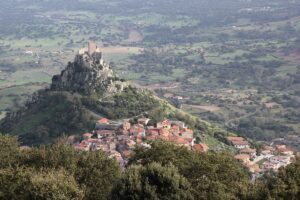
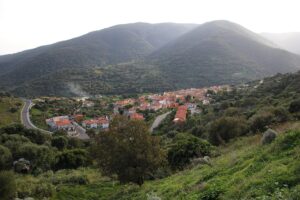
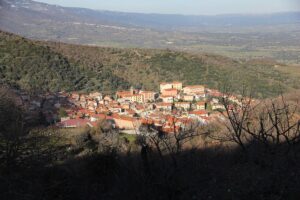
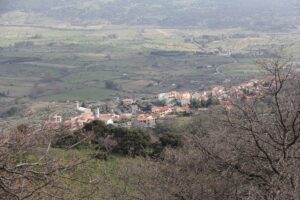
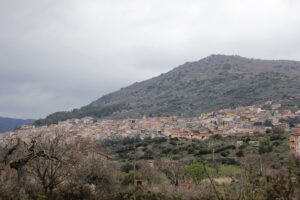
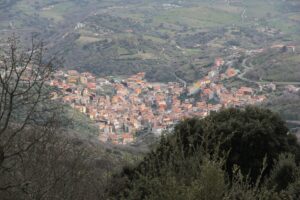
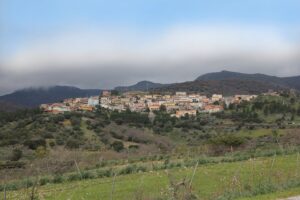
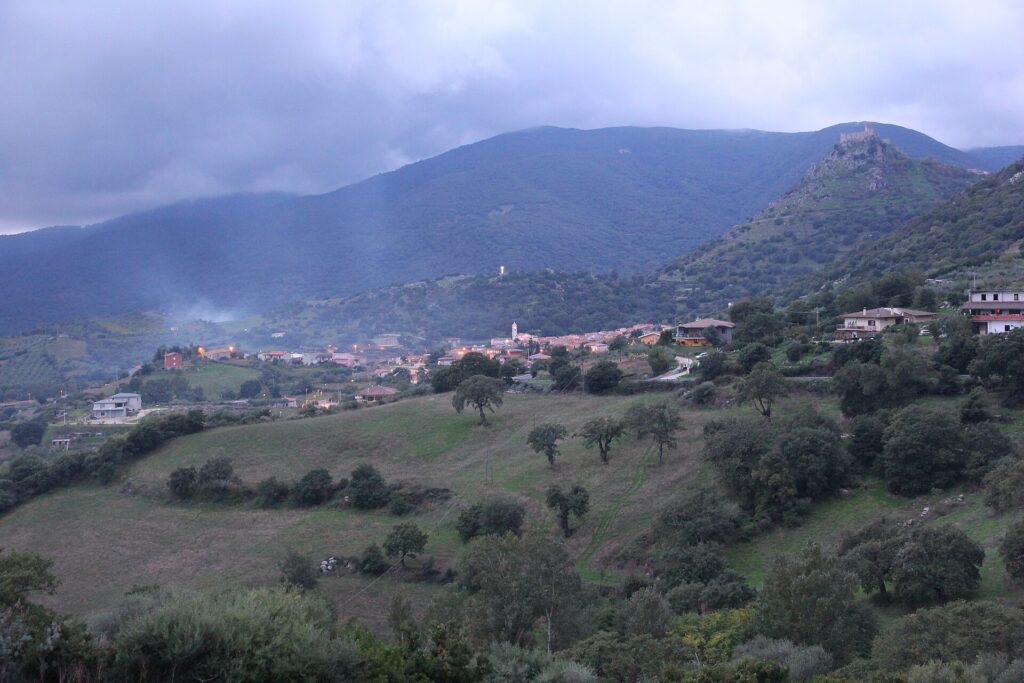
Bottidda is a village of about 650 people in the Goceano, at around 400 metres, at the foot of Monte Rasu beside the hill of Sa Corona. Woods of holm oak, oak and chestnut, streams and nuraghi surround a centre with small squares decorated with murals. It is the gateway to a special place: the Monte Rasu convent, held to be the first Franciscan settlement in Sardinia.
What to see in Bottidda
Franciscan convent of Monte Rasu
At about 900 metres, it was founded, according to tradition, around 1220 by a disciple of Saint Francis. Restored in the early 20th century, it keeps the friars' cells and an old stone washbasin; beside it grows an ancient chestnut said to have been planted by the first friars.
Village churches
The parish church of the Madonna del Rosario, neoclassical and late 19th-century, houses a very unusual wooden crucifix. The church of Santa Maria degli Angeli, known as Sant'Antonio, once stood beside a 17th-century convent that has since vanished.
Murals
Several squares are decorated with murals by artists from Sassari and the village: a colourful stroll among old houses.
Nuraghi and giants' tomb
The area has 26 nuraghi, including Sa Corona, which gives the hill its name, Arvas, Gallisai and Ortivai. There is also the giants' tomb of Pasciarzu, a Nuragic collective burial.
Things to do in Bottidda
Monte Rasu and the Monte Pisanu forest are ideal for hiking and mountain biking among chestnut woods and small lakes. Don't miss the thousand-year-old wild olive of S'Orculana, near the nuraghe of the same name, with a huge trunk and spreading crown. The path to the convent blends nature, views and spirituality. Discover the hikes offered by local operators below.
History
The name comes from the old village of Gocille, later Gotille and Botille. Inhabited since prehistory, in the Middle Ages Bottidda belonged to the Giudicato of Torres and the diocese of Ottana. After 1259 it passed to the Doria and Malaspina, then to the County of Goceano under Arborea; in 1478 it went to the Aragonese and in 1839 it was freed from feudalism. It once lived mainly from vineyards; today sheep farming prevails.
Food and souvenirs
The signature sweet is sas tiliccas, offered to visitors at the January feast. At the table you'll find sheep's cheese, meats and traditional Goceano bread.
Festivals and traditions
- Bonfires of Sant'Antonio, 16 January: a horseman rides six times around the great fire carrying su pani 'e s'ardia and the saint's banner, in the rite of s'inghiriu; then the faithful repeat it on foot.
- Feasts of Saint Francis at the Monte Rasu convent: 2 August and 4 October.
Nearby
- Burgos: Goceano castle and the Museum of Sardinian Castles.
- Nuraghe Costa and the Burgos forest.
- Bono and the Sos Nibberos yew forest.
- Esporlatu and Illorai.
Getting there and when to go
Olbia and Alghero airports are about an hour and a half by car. The best time is spring to autumn; 16 January is worth the trip for the bonfires of Sant'Antonio.
FAQ
How long do I need in Bottidda?
Half a day for the village and murals; a full day including the Monte Rasu convent.
Is the Monte Rasu convent the first Franciscan one in Sardinia?
So tradition holds, dating its foundation to around 1220.
Is Bottidda good for families?
Yes: woods, murals and the bonfire feast are great for children too.