Things to do in Mores
Things to do in Mores, Sardinia: the Sa Coveccada dolmen, the island's tallest bell tower, churches, nuraghi and the Steppe Oasis.
We are gathering the first experiences for this area. Check back soon, or tell us about an operator you know.
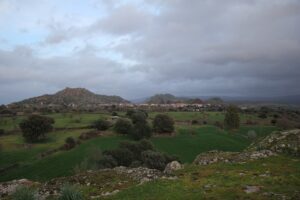
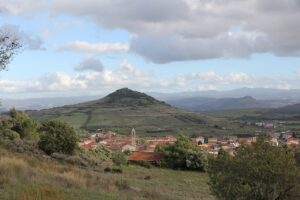
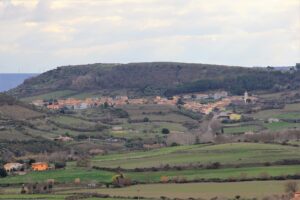
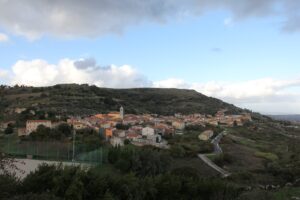
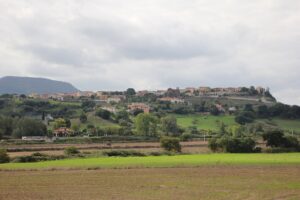
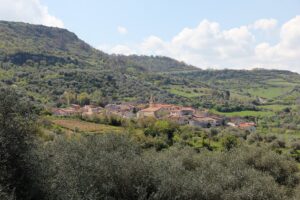
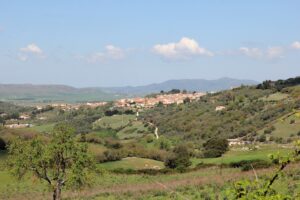
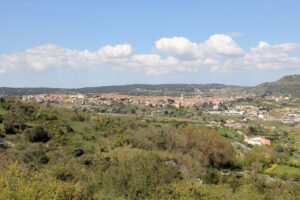
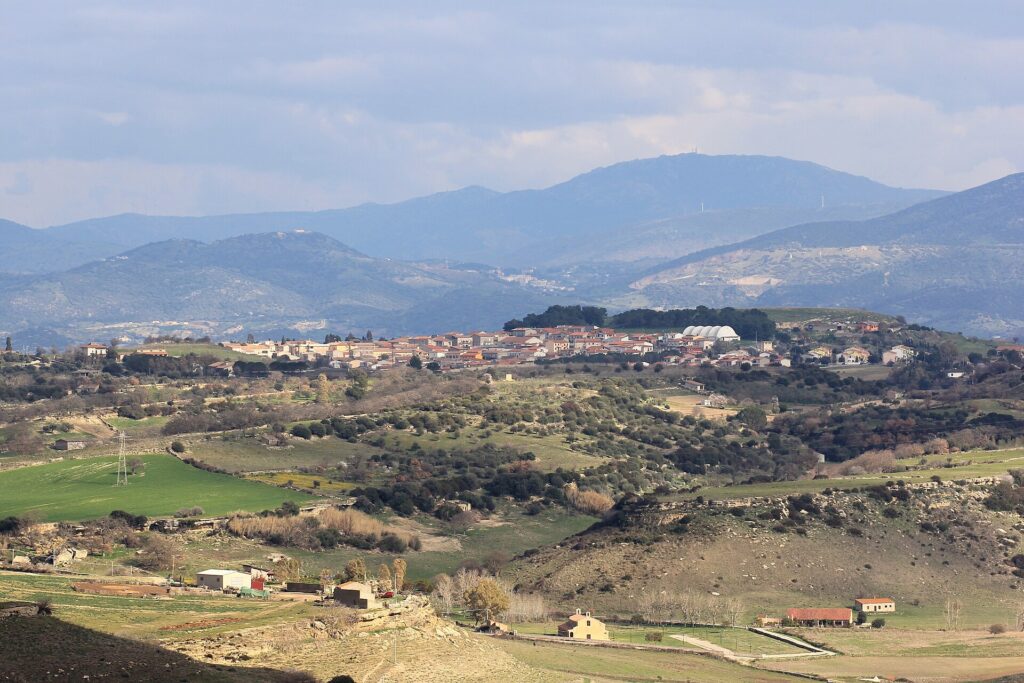
Mores is a village of around 1,700 people in the Logudoro, at the foot of Monte Lachesos, about 40 km from Sassari and a few kilometres from Ozieri. You can spot it from afar thanks to its bell tower, the tallest in Sardinia, but its true symbol is far older: the Sa Coveccada dolmen, one of the largest in the Mediterranean. Around it lies open countryside of pastures and steppe, home to rare birds. It's a great stop if you love archaeology, birdwatching and authentic inland villages.
What to see in Mores
Sa Coveccada dolmen
In the countryside outside the village stands Sa Coveccada, a prehistoric burial monument made of huge stone slabs and considered one of the most impressive dolmens in the Mediterranean. It's the most photographed spot in Mores and worth the detour on its own.
Santa Caterina and the bell tower
In the centre is the neoclassical parish church of Santa Caterina, with terracotta statues of the Evangelists and the Redeemer. Beside it rises the 47-metre bell tower, designed by Salvatore Calvia Unali and finished in 1871: the tallest on the island.
Other churches
The church of Santa Croce has Byzantine origins and an early-13th-century Romanesque façade. The Capuchin friary, from 1715, is still in use. In the countryside you'll find the churches of Santa Lucia di Lachesos, San Giovanni Battista and Nostra Signora di Todorache.
Archaeology
The area holds prehistoric caves such as Su Buccu 'e sas Fadas, several domus de janas (rock-cut tombs) and nuraghi like Mannu Suldu and Tres Nuraghes. On the border with Ittireddu there's a Roman bridge: Mores lay on the road linking Turris Libisonis (Porto Torres) with Karales (Cagliari).
Things to do in Mores
The plain around the village includes an area known as the Steppe Oasis (Oasi delle steppe): among the meadows lives the little bustard, a rare protected bird, and you can also spot storks, bee-eaters and calandra larks. It's ideal for birdwatching and bike rides. Motor fans will find the Mores racetrack, opened in 2003. Below you'll find the experiences offered by local operators: pick yours and discover the Logudoro up close.
History
Inhabited since prehistory, the area was crossed in Roman times by the island's great north–south road; Punic and Roman tombs have been found in the Lachesos valley. In the Middle Ages Mores belonged to the Judicate of Torres, then passed to the Doria family, the Aragonese and feudal lords. It took part in the anti-feudal uprisings of 1795 and was freed from feudal rule in 1839. The poet Pompeo Calvia, son of the bell tower's architect, was born here.
What to eat and buy
The local economy is based on sheep farming: the area's sheep's cheeses are well regarded and exported abroad. Try Logudoro cooking, with roast meats, pecorino and almond sweets.
Festivals and traditions
- Santa Lucia di Lachesos, on 1 May, with Sardinian singing and improvised poetry contests.
- Santa Rita, in late May.
- San Giovanni Battista, in late August.
- Nostra Signora di Todorache, in early September.
Nearby
- Ittireddu, with its archaeological museum and San Giacomo church.
- Ozieri, with the San Michele cave.
- The Romanesque basilica of Sant'Antioco di Bisarcio, in Ozieri's territory.
- Ardara, with the church of Santa Maria del Regno.
Getting there and when to go
Mores is reached from the SS 597 Sassari–Olbia road or the SS 131. The nearest airports are Alghero-Fertilia and Olbia, about an hour to an hour and a quarter by car; the nearest ports are Porto Torres and Olbia. Spring is perfect for birdwatching and seeing the countryside in bloom, and May also brings the Santa Lucia feast.
FAQ
Where is the Sa Coveccada dolmen?
In the countryside of Mores, a few kilometres from the village: check the route before you set off.
How long do you need for Mores?
Half a day for the village and the dolmen; a full day if you add Ittireddu and Ozieri.
Is Mores good for families?
Yes: the dolmen and walks across the plain feel like an adventure for kids too.