Things to do in Tula
Things to do in Tula, Sardinia: Lake Coghinas, Nostra Signora di Coros, Sa Mandra Manna, sport fishing, birdwatching and the carp festival.
We are gathering the first experiences for this area. Check back soon, or tell us about an operator you know.
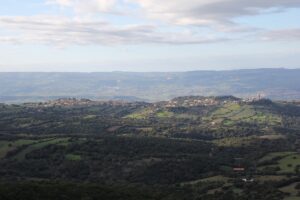
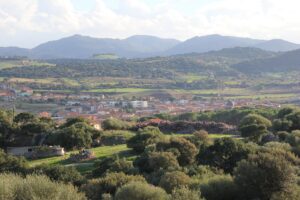
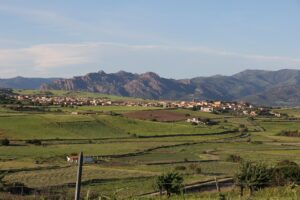
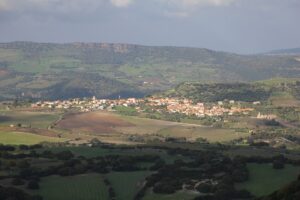
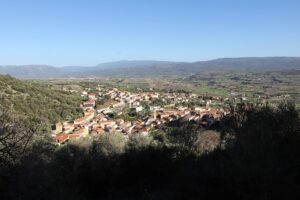
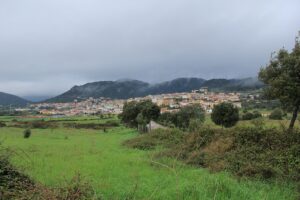
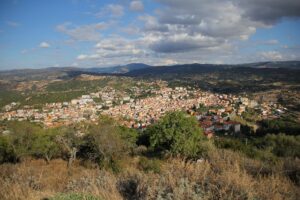
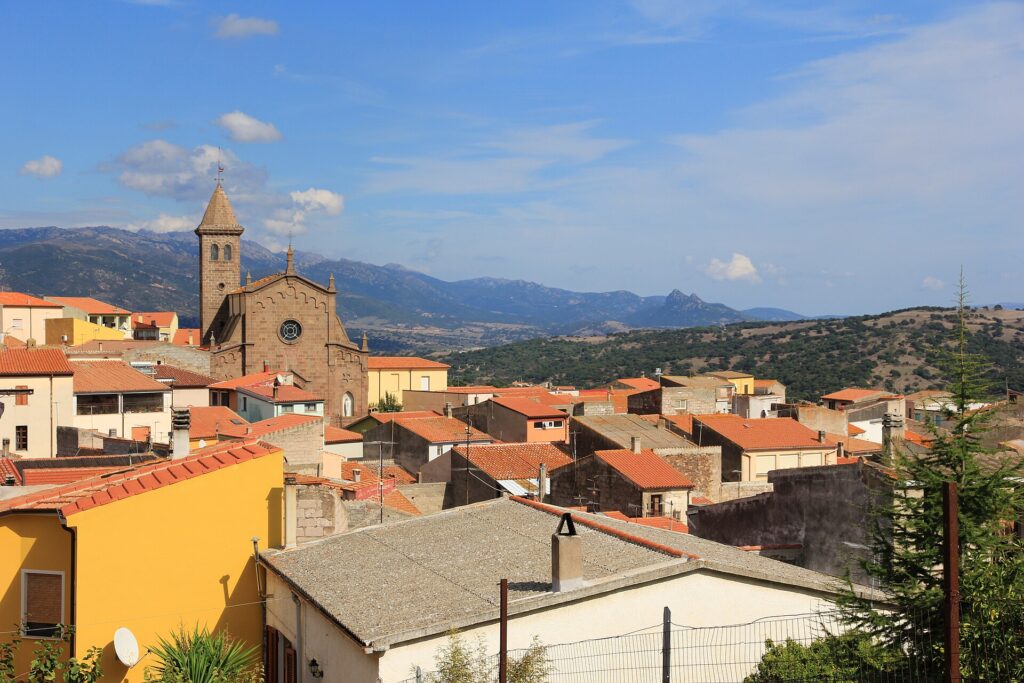
Tula is a village of about 1,400 people in Logudoro, at the foot of the Su Sassu plateau, overlooking the Chilivani plain and Lake Coghinas, the largest reservoir in northern Sardinia. It sits where Logudoro, Anglona and Gallura meet, about 50 minutes' drive from Sassari. With shores of scrub and tamarisk, Romanesque churches and prehistoric sites, it's a quiet destination if you love nature, fishing and hiking away from the crowds.
What to see in Tula
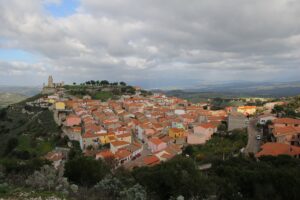
The old village
Tula keeps houses of tuff and local stone, small mansions with carved wooden doors and wrought-iron rosettes. The parish church of Sant'Elena Imperatrice, built in the late 1800s in Pisan Romanesque style, holds the Polittico della Trinità, a painted polyptych.
Nostra Signora di Coros
On the road to Perfugas stands Nostra Signora di Coros, a church of Romanesque origin (12th century) in pink and grey trachyte; only the lower courses of the original apse survive. It sits next to a giants' tomb and the s'Arroccu nuraghe, a sign of long continuity of worship.
San Pietro at Sa Sia
In the hamlet of Sa Sia, where Gallurese is spoken, the church of San Pietro was built in the early 1900s in memory of the church of the same name submerged when the lake was created.
Archaeology
The Sa Mandra Manna site was used from the Neolithic to Byzantine times and preserves a megalithic wall, a dolmen and a corridor nuraghe. More nuraghi stand around the lake, and at Coloras there are Neolithic domus de janas (rock-cut tombs).
Things to do in Tula
Lake Coghinas is the star: sport fishing (trout, carp, perch, tench), canoeing, birdwatching, hiking and mountain biking along the shores and in valleys wooded with holm and cork oaks. The plateaus around the village offer wide views over the plain, with the big wind farm on the horizon. See below for experiences from local operators and book your day on the lake.
History
The area was settled in the Neolithic and the Nuragic age, with giants' tombs and many nuraghi; coin finds confirm a Roman presence. In the Middle Ages Tula belonged to the Judicate of Torres; it then passed to the Doria and, with the marriage of Eleonora of Arborea and Brancaleone Doria (1376), to Arborea. Under the Aragonese it became a fief and in the 1700s joined the duchy of Monte Acuto, until feudalism ended in 1839.
Food and shopping
Alongside the farm produce of Logudoro (cheese, meat, bread), Tula has a tradition rare on the island: lake fish, especially carp.
Festivals and traditions
In early August, on the lakeshore, the carp festival (sagra della carpa) serves freshwater fish dishes. Religious feasts revolve around the patron saint, Sant'Elena, and country churches such as Nostra Signora di Coros.
Nearby
- Sant'Antioco di Bisarcio (Ozieri), a large Romanesque basilica.
- Oschiri, with the Santo Stefano rock altar and Nostra Signora di Castro.
- Perfugas, with the Predio Canopoli sacred well.
- Chiaramonti and Erula, villages of Anglona.
Getting there and when to go
The nearest airports are Olbia and Alghero, each about an hour's drive; the nearest ports are Porto Torres and Olbia. Chilivani railway station is a few kilometres away. The closest beaches, on the Anglona coast towards Valledoria and Castelsardo, are less than an hour away. Spring and autumn are perfect for hiking and birdwatching; August for the festival.
FAQ
How long do you need in Tula?
One day, combining the village, Coros and a few hours on the lake.
Can you fish in Lake Coghinas?
Yes, it's a well-known sport fishing spot; check which permits you need before you go.
Is Tula good for families?
Yes: the lakeshore and nature trails are ideal for an outdoor day with children.