Things to do in Cossoine
Things to see in Cossoine, Sardinia: the Byzantine church of Santa Maria Iscalas, nuraghi and rock tombs, deep caves, Monte Traessu and village festivals.
We are gathering the first experiences for this area. Check back soon, or tell us about an operator you know.
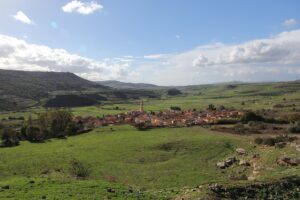
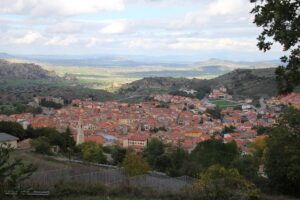
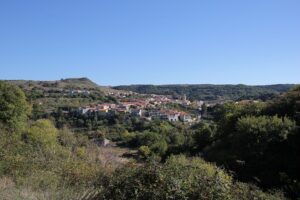
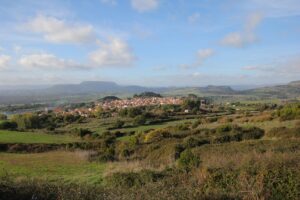
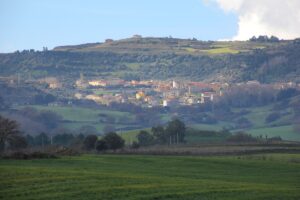
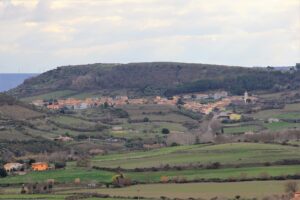
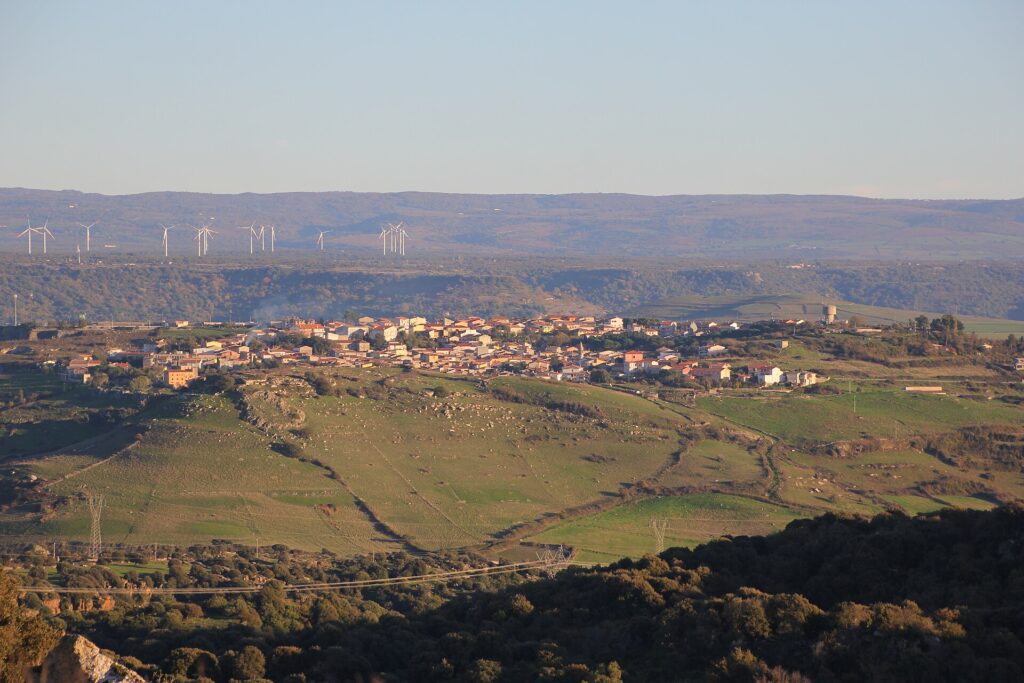
Cossoine is a small village in the Meilogu, in the heart of Sardinia's Logudoro region, set at around 500 metres on a volcanic plateau, about 50 km from Sassari and roughly an hour's drive from Alghero. Cork oak woods, open fields and basalt hills riddled with caves and sinkholes surround it. It suits travellers who love archaeology, caving, inland walks and quiet villages where time moves slowly.
What to see in Cossoine
Santa Maria Iscalas
The country church of Santa Maria Iscalas is the villagers' most beloved place. Byzantine in origin, it is already mentioned in the 11th century in the chronicles of the Camaldolese monks, and stands in open farmland.
The old village
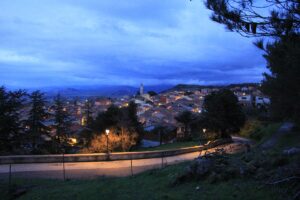
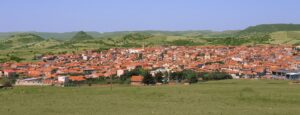
The centre keeps old stone houses, buildings from the 16th to 18th centuries, the late Gothic church of Santa Chiara, dedicated to the patron saint, and a few murals telling the story of village life.
Archaeology
People have lived here since the Neolithic: you will find domus de janas ("fairy houses", tombs carved into rock), giants' tombs and many nuraghi, the Bronze Age stone towers typical of Sardinia. At Corruoe there are traces of a nuragic village and a Roman villa, and the Roman settlement of Lucentia stood at Lughentinas.
Caves and Monte Traessu
This is cave country. The Sa Ucca 'e Mammuscone sinkhole drops over 60 metres through volcanic rock and limestone, while Sa Ucca 'e su Peltusu, one of the largest in the province, hides an underground stream and Miocene fossil oysters. The basalt massif of Monte Traessu offers gorges, cliffs and natural hollows.
Things to do in Cossoine
- Hiking towards Monte Traessu among cork and downy oaks.
- Caving, only with expert guides and proper gear.
- Archaeology trails linking nuraghi, rock-cut tombs and Roman sites.
- Village walks to discover churches and murals.
Just below you will find the tours and visits offered by local operators: pick the one that suits you and book it.
History
After the Neolithic and nuragic ages, Romans and Byzantines settled the area. In the Middle Ages Cossoine belonged to the Judicate of Torres; it later passed to the Genoese Doria family, to Arborea and, in the mid-14th century, to the Aragonese, remaining a fief of Iberian families until feudalism was abolished in 1839. Once covered in forest and marshland, the area long sheltered bandits. The 20th century brought heavy emigration, followed by a revival from the 1980s.
Food and local products
Today the economy rests mainly on livestock: pecorino, ricotta, lamb and suckling pig are the backbone of the table, together with the traditional breads and sweets of the Logudoro.
Festivals and traditions
- San Sebastiano (May), with the ardia, a horseback race.
- Santa Chiara, the patron saint, in August.
- Santa Maria Iscalas, in late August or early September.
Cossoine is also remembered for a rare tradition of women's singing, unusual in Sardinia where tenor singing is almost always male.
Nearby
- Giave, with volcanic craters and the Pedra Mendalza rock.
- Semestene and the Romanesque church of San Nicola di Trullas.
- Bonorva, with the Sant'Andrea Priu necropolis and the village of Rebeccu.
- Pozzomaggiore and its church of San Giorgio.
- Cheremule, with the Moseddu necropolis.
Getting there and when to go
The nearest airport is Alghero-Fertilia, about an hour's drive away; the handiest ferry port is Porto Torres. You reach the village from the SS 131 highway, leaving it near Giave. Spring and autumn are best for walking; in summer, set out early in the morning.
FAQ
How long do I need for Cossoine?
Half a day covers the village and Santa Maria Iscalas; allow a full day if you add a hike or a cave.
Can I visit the caves on my own?
No: they are demanding sites, to be explored only with cavers or expert guides.
Is Cossoine near the sea?
No, it is inland. The closest beaches are on the Bosa and Alghero coasts, about an hour's drive away.