Things to do in Burgos
Things to do in Burgos, Sardinia: Goceano castle, the Museum of Sardinian Castles, Nuraghe Costa and the forest with horses and donkeys.
We are gathering the first experiences for this area. Check back soon, or tell us about an operator you know.
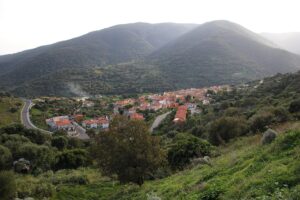
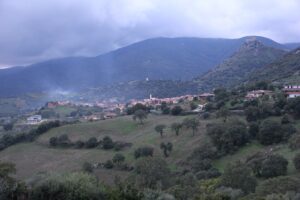
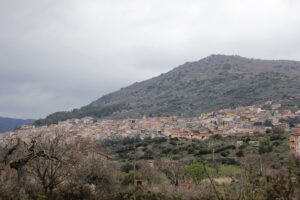
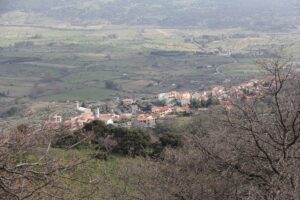
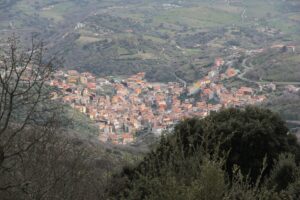
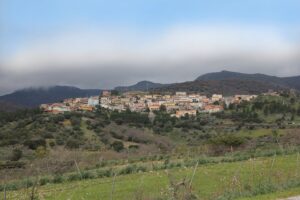
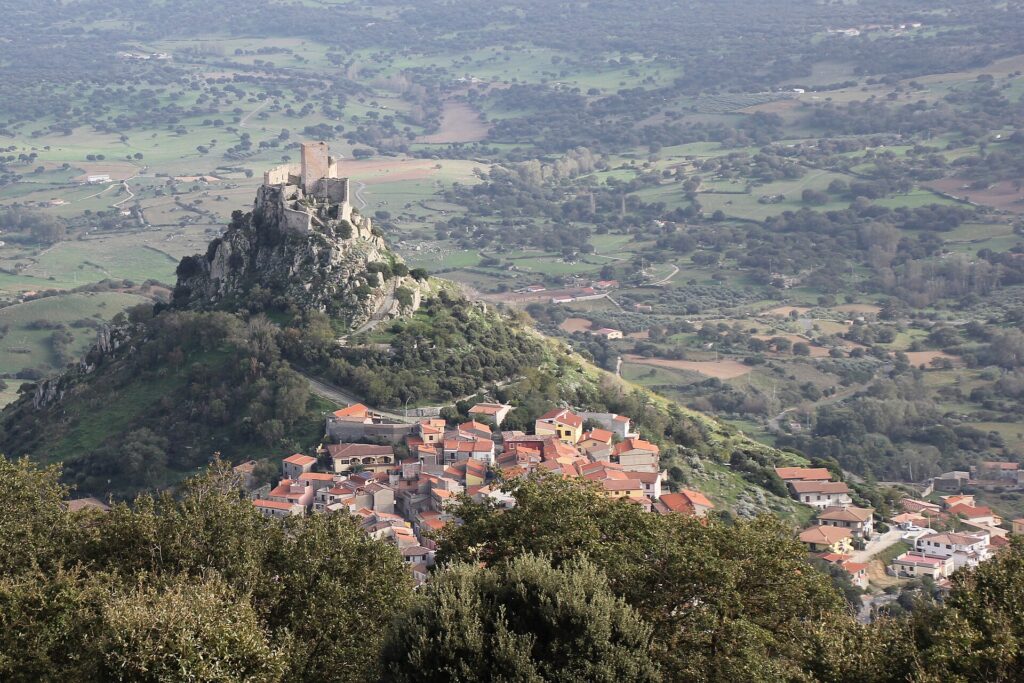
Burgos is a village of about 800 people in the Goceano, at roughly 600 metres, crowned by one of Sardinia's most striking medieval fortresses: the Goceano castle, perched on a granite crag. All around are forests where horses and donkeys are bred. It is a perfect stop for lovers of history, castles and nature, and for families with children.
What to see in Burgos
Goceano castle
Built around 1130 by the judges of Torres to guard the kingdom's borders, it keeps the remains of a triple ring of walls, a square tower about 15 metres high and a well-preserved water cistern. Adelasia of Torres, the last ruler of the Giudicato, withdrew and died here in 1259; legend says her ghost still roams the walls. The view sweeps over the Goceano and the Tirso valley.
Museum of Sardinian Castles
Housed in a late-19th-century mansion in the village centre, it covers about a hundred castles and coastal towers of the island: the ideal complement to the fortress.
Medieval quarter
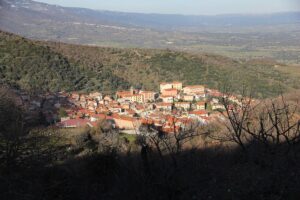
Below the castle, narrow lanes wind between houses with pitched roofs, the oldest part of the village.
Nuraghe Costa
Known as sa Reggia, this Bronze Age complex has a central tower, a four-tower bastion, a village and a long outer wall. The domus de janas (rock-cut tombs) of s'Unighedda show the area was inhabited in the Neolithic.
Things to do in Burgos
The Burgos and Badde Salighes forests offer trails through woods and clearings. The forest is home to a centre of Sardinia's horse-breeding institute, with Anglo-Arab-Sardinian horses, the Giarab pony, Sardinian donkeys and the white donkeys of Asinara: a treat for children. A tree-lined avenue leads to the neo-medieval church of San Salvatore, with its two-tone stonework. Hiking, cycling and horse riding are the best ways to enjoy the area: check out the local operators' offers below.
History
Nuraghi and rock-cut tombs reveal very ancient settlement. The castle was built in the 12th century in the Giudicato of Torres; after 1259 it passed to the Doria and then to Arborea. The village was founded in the 14th century by Mariano IV of Arborea, Count of Goceano, who settled families here. In the 15th century the area went to the Aragonese; the fortress was still in good shape in 1516, then declined. In 1839 the village was freed from feudalism.
Food and souvenirs
Sweets are tied to feast days: tiliccas, cozzulas and copulettas are made especially in January. Otherwise expect Goceano shepherd cooking, with sheep's cheese and roast meats.
Festivals and traditions
In mid-January the bonfires of Sant'Antonio Abate gather the village around the fire, with traditional sweets shared with everyone.
Nearby
- Esporlatu and Bottidda, with the Franciscan convent on Monte Rasu.
- Bono and the Sos Nibberos yew forest.
- Monte Pisanu and its small lakes.
- Illorai: the Molia necropolis.
Getting there and when to go
Olbia and Alghero airports are about an hour and a half by car. Spring and autumn are ideal for the castle and forests; in summer the altitude brings some relief from the heat.
FAQ
How long do I need in Burgos?
Half a day for the castle, museum and old quarter; a full day with the forest and Nuraghe Costa.
Is Burgos good for kids?
Yes: the castle and its legend, the horses and the donkeys of the forest are a hit with children.
Why is it called Goceano castle?
Because it was the main fortress of the historic Goceano region, guarding its borders.