Things to do in Alà dei Sardi
Things to do in Alà dei Sardi, Sardinia: granite village, Sos Nurattolos, Su Fossu Malu waterfalls, hiking, Sa Coilùna lake and San Francesco feast.
We are gathering the first experiences for this area. Check back soon, or tell us about an operator you know.
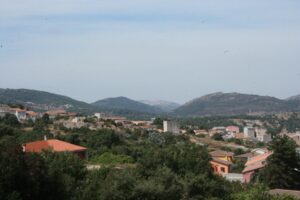
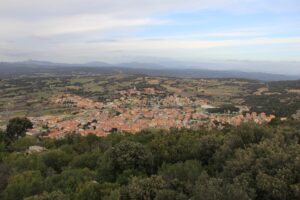
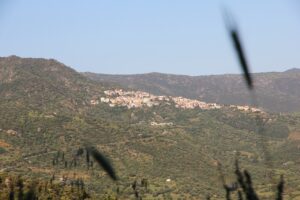
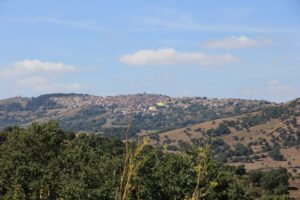
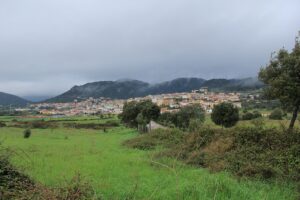
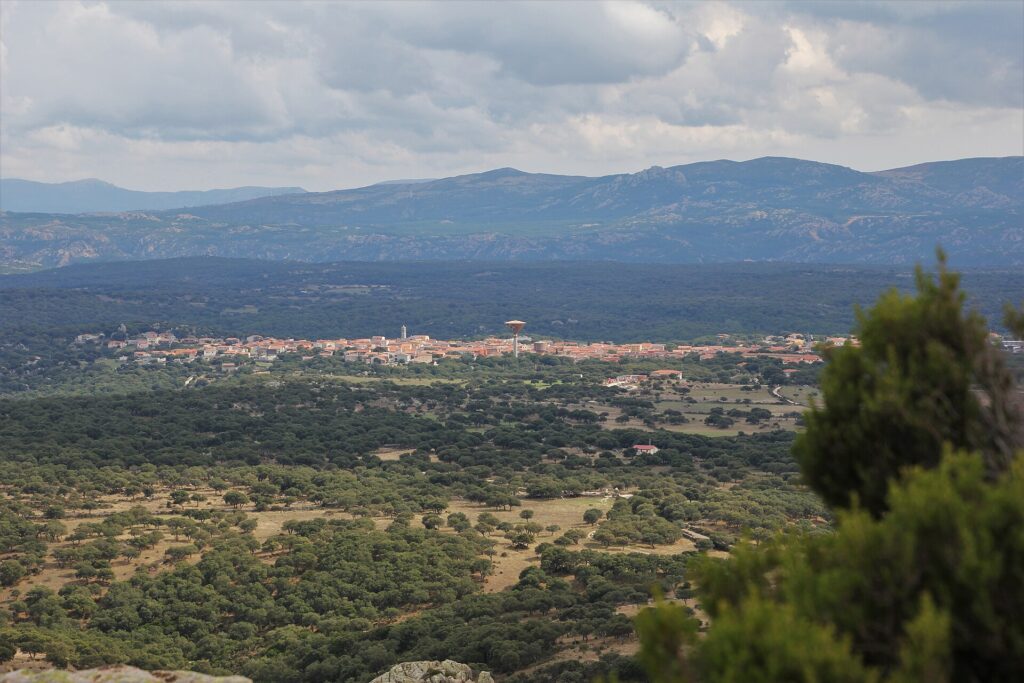
Alà dei Sardi is a granite village at about 660 metres, on a broad plateau of Monte Acuto between Gallura, Baronia and the Nuoro area, roughly an hour's drive from Olbia. The landscape is all cork oaks, holm oaks, wind-carved rocks, streams and waterfalls, and on clear days the peaks look out to the Gulf of Olbia and Tavolara. The area is part of the Tepilora UNESCO Biosphere Reserve. It's the right place if you love mountains, hiking, off-road trips and genuine inland festivals.
What to see in Alà dei Sardi
The granite old town
The village is built of grey stone: granite houses and small mansions with wrought-iron railings, old fountains from the early 1900s and the parish church of Sant'Agostino, rebuilt between the late 19th century and 1961 on the site of the 17th-century church of Santa Maria. Palazzo Corda (1850) bears a mural recalling the last bardana, a night raid by mounted bandits that the villagers drove off in 1870.
Archaeological sites
- Sos Nurattolos: a Nuragic sanctuary with a sacred spring, meeting hut and dwellings.
- Boddò nuraghe, well preserved.
- Su Pedrighinosu, a village of round huts.
- The Malacarruca giants' tomb.
Nature
Don't miss Punta Senalonga (about 1,077 metres), the Bolostiu and Sos Littos-Sas Tumbas forests, the small lake of Sa Coilùna with picnic areas, and the Su Fossu Malu waterfalls, tens of metres high, on the border with Berchidda.
Things to do in Alà dei Sardi
Alà is made for the outdoors: hiking among granite and cork woods, mountain biking and 4x4 tours on the dirt roads used for the special stages of Rally Italia Sardegna. You can spot mouflon and birds of prey, picnic by Sa Coilùna lake and explore Nuragic sites with a guide. A visit to a workshop working granite and cork is worthwhile too. Further down this page you'll find experiences from local operators, ready to book.
History
Inhabited since the Neolithic and rich in Nuragic sites, the area was linked to the Balari, a people who long resisted Rome; Romanisation came late. The village is recorded from 1106, in the Monte Acuto district of the Judicate of Torres. Today's village grew again in the 1600s around the church of Santa Maria, helped by shepherd families from Gallura. «dei Sardi» was added to the name in 1864 to distinguish it from other places called Ala.
Food and shopping
Farming and herding shape the table: beef and lamb, cheese, cured meats and honey. The craft symbols are granite carved by local stonemasons and cork from the surrounding forests.
Festivals and traditions
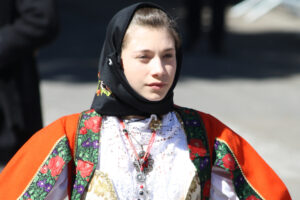
The best-known feast is San Francesco on 4 and 5 October, at the sanctuary about 2 km from the village, built in 1906 after a shepherd's dream: it draws thousands of pilgrims and everyone is offered a meal of broth and meat. The patron saint, Sant'Agostino, is celebrated in late August. In January there's the Sant'Antonio bonfire, at Carnival Su Pamentomo returns, when people blacken their faces with burnt cork, and Holy Week rites are held at Easter.
Nearby
- Buddusò, another granite village, a few kilometres away.
- The Monte Lerno forest (Pattada).
- The Nuragic sanctuary of Romanzesu (Bitti).
- Tepilora Park.
Getting there and when to go
The nearest airport and port are in Olbia, about an hour's drive; Nuoro and Sassari are about an hour and a half away. The closest beaches are on the Olbia coast. Spring and autumn are perfect for hiking; it can snow in winter, while in summer the altitude brings cool evenings.
FAQ
How many days do you need?
One day covers the village and a hike; two if you want to explore the forests and Nuragic sites.
Is Alà dei Sardi good for families?
Yes: Sa Coilùna lake and the woodland walks are ideal with children.
When is the San Francesco festival?
On 4 and 5 October, preceded by a novena in late September.