Things to do in Benetutti
Things to see in Benetutti, Sardinia: San Saturnino hot springs, the Sant'Elena altarpiece, dolmens, rock tombs and nuraghi, Arvisionadu wine.
We are gathering the first experiences for this area. Check back soon, or tell us about an operator you know.
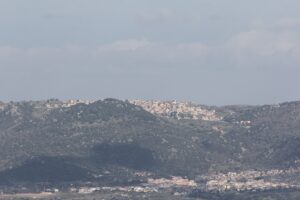
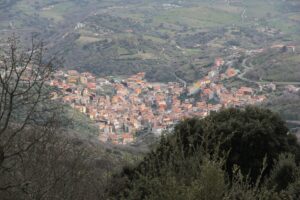
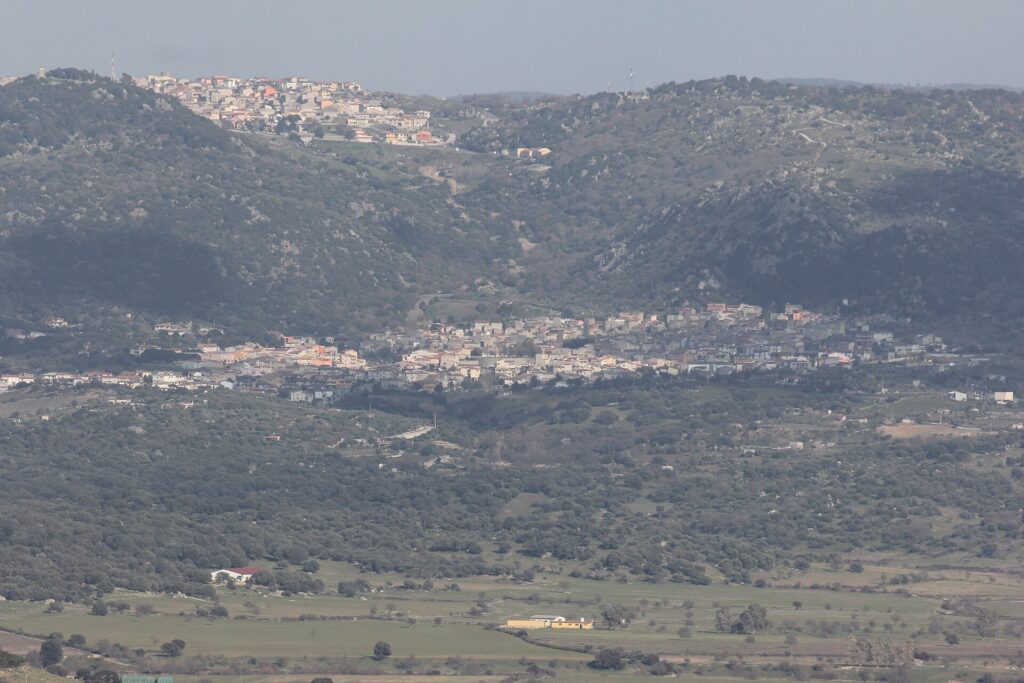
Benetutti is a village in the Goceano, in north-central Sardinia, at the foot of the upland and overlooking the upper Tirso valley. It is best known for the San Saturnino hot springs, used since Roman times, but its land also holds a Renaissance altarpiece, dolmens, domus de janas and nuraghi. It is the perfect place to combine thermal relaxation with archaeology and nature walks.
What to see in Benetutti
The San Saturnino hot springs
The Romans knew these warm springs as Aquae Lesitanae and built a spa here, mentioned by the geographer Ptolemy. Excavations uncovered a calidarium with mosaics and, nearby, a small shrine to Asclepius. Today there is a spa with a pool of Roman origin, plus a few natural pools where you can bathe freely.
Sant'Elena church and its altarpiece
The parish church of Sant'Elena Imperatrice, built between the 15th century and 1618, has a domed bell tower 25 metres high. Inside is a 1549 altarpiece (retablo) attributed to the Master of Ozieri, among the most original works of the Sardinian Renaissance, and a wooden statue of Saint Michael.
Other churches
Near the springs stands the 11th-century country church of San Saturnino, built over a nuragic structure. In the village are San Salvatore, the oldest church, and Santa Croce, from the early 17th century.
Archaeology
The area preserves the Monte Mannu menhir, the Monte Maone dolmen, the domus de janas (rock-cut "fairy houses") of Luzzanas and Mandra 'e Giosso (the latter on two floors), giants' tombs and several nuraghi, including S'Aspru, the largest in the area.
Things to do in Benetutti
- Thermal bathing in the warm waters of San Saturnino.
- Hiking and cycling in the Tirso valley and Goceano woods, home to red deer, fallow deer and foxes.
- Archaeology trails among dolmens, rock tombs and nuraghi.
- Craft workshops for weaving, wrought iron and stonework.
Just below you will find the experiences offered by local operators: choose yours and book.
History
Inhabited since the Neolithic and in the nuragic age, the area hosted the Roman spa of Aquae Lesitanae. One tradition traces the name to bena de Tudi, "Tudi's spring". In the Middle Ages Benetutti belonged to the Goceano district of the Judicate of Torres; it later passed to Arborea, the Marquisate of Oristano and, from 1478, to the Aragonese as a royal fief until it was bought out in 1839.
Food and local products
Benetutti is a "Città del vino" (Wine Town) and home of Arvisionadu, an ancient white wine made only here and in the Goceano. Try the traditional breads and festive sweets; take home woven textiles and wrought-iron pieces.
Festivals and traditions
- Sa Chida Santa, Holy Week, deeply felt.
- Feast of Sant'Elena, the patron saint, in mid-August, with gosos (religious songs in Sardinian) and folk groups from abroad.
Nearby
- Nule, with Nuraghe Voes and hand-woven rugs.
- Bultei and the church of San Saturnino di Usolvisi.
- Anela and Forest'Anela.
- Osidda and Pattada, up on the plateau.
Getting there and when to go
The handiest airport and port are in Olbia, about an hour and a half's drive away; Alghero is a little further. The springs are enjoyable all year; spring and autumn are ideal for hiking, while August brings the patron saint's feast.
FAQ
Can I bathe in the hot springs for free?
Besides the spa, the San Saturnino area has natural springs where you can bathe freely.
How many days do I need?
One day for the springs and village; two or three to explore the Goceano too.
Is Benetutti good for families?
Yes: warm water, nature and easy-to-reach archaeological sites appeal to children too.