Things to do in Bono
Things to do in Bono, Sardinia: the Sos Nibberos yew forest, Monte Rasu hikes, San Michele church, the San Raimondo feast and Angioy's legacy.
We are gathering the first experiences for this area. Check back soon, or tell us about an operator you know.
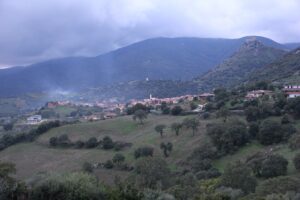
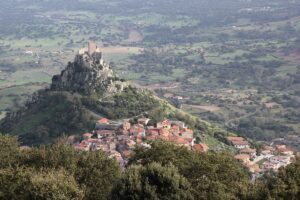
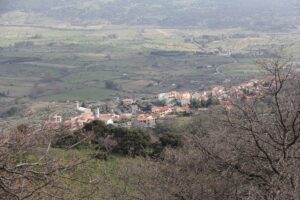
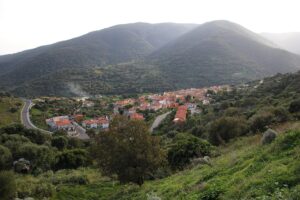
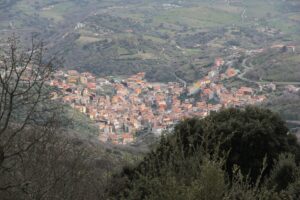
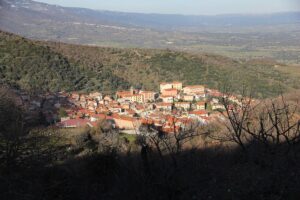
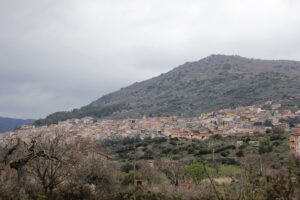
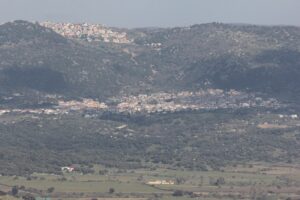
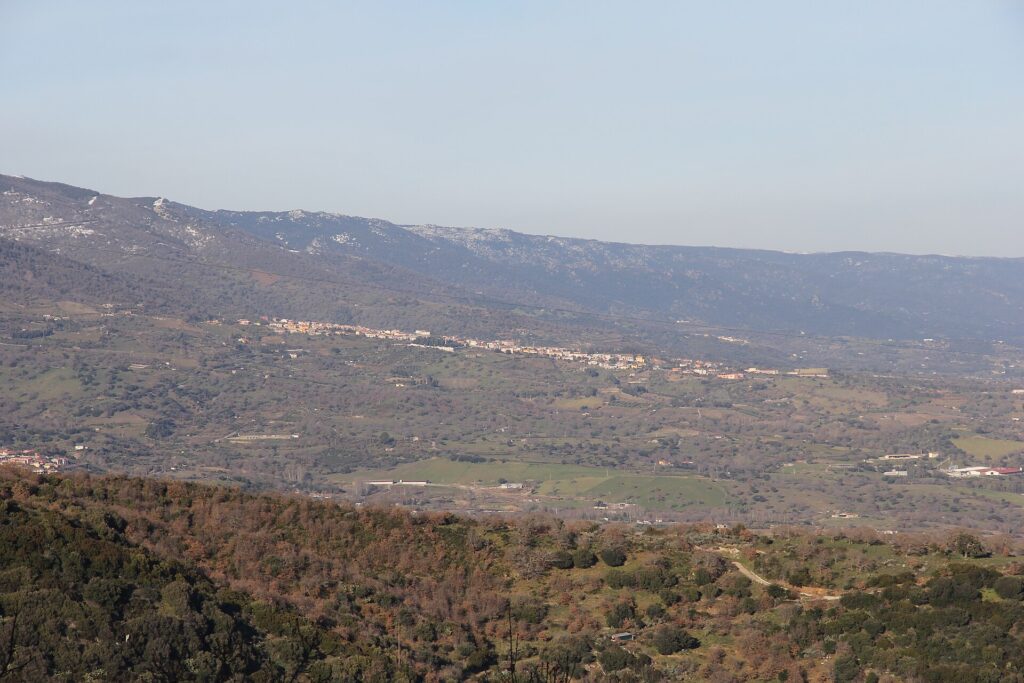
Bono is the main town of the Goceano: about 3,300 people at roughly 540 metres, at the foot of Monte Rasu, in a territory that runs down to the Tirso valley. It is the birthplace of Giovanni Maria Angioy, leader of the late-18th-century anti-feudal uprisings, and home to Italy's largest yew forest. Ideal for hikers, nature lovers and anyone keen on living Sardinian traditions.
What to see in Bono
Church of San Michele Arcangelo
The parish church, in Pisan Romanesque style from the 12th–13th centuries and enlarged in the late 1500s, has a pink trachyte façade with a rose window taken from the Monte Rasu convent. Inside are a 15th-century wooden statue of the saint and a 14th-century gilded silver chalice.
Other churches
In the village are San Raimondo, with a statue of Saint Francis from a monastery, 18th-century Sant'Antonio Abate and Sant'Efisio, and 16th-century San Giovanni Battista. Country churches dot the valley: the Romanesque church of Saints Gavino, Proto and Gianuario, the oldest; Santa Restituta with its cumbessias (pilgrims' lodgings); San Nicola; and Santa Barbara, built on the remains of a nuraghe.
Angioy uprising mural
In piazza Bialada a mural recalls the 1796 revolt and the villagers' resistance to Piedmontese troops.
Things to do in Bono
Monte Rasu is walkers' heaven: the summit, sa Punta Manna, reaches 1,259 metres with views over half of Sardinia. On its slopes, at Sos Nibberos, grows Italy's largest yew forest, a natural monument with ancient trees over 15 metres tall. The Monte Pisanu oasis, with small lakes, cedars, oaks and a fine silver fir, is perfect for a picnic and easy walks. Trekking, mountain biking and birdwatching are at home here: discover the Goceano operators' experiences below.
History
Numerous nuraghi show ancient settlement. Tradition says the people came from the abandoned village of Lorthia in the valley. In the Middle Ages Bono belonged to the Giudicato of Torres, in the Goceano district, and in the 12th century churches and monasteries were founded, including the Monte Rasu convent. In 1796 Giovanni Maria Angioy, born here, led the anti-feudal uprisings: Piedmontese troops attacked the village, but the locals struck back as the soldiers withdrew.
Food and souvenirs
Bono has strong craft traditions: ironwork, woodwork, weaving on antique looms and bread-making. Try cogones, traditional flatbreads tied to the Sant'Antonio feast, along with the cheeses and meats of Goceano shepherd cooking.
Festivals and traditions
- Bonfires of Sant'Antonio Abate, 16 January: bonfires with wine and cogones offered to all.
- Feast of San Raimondo, late August to early September: a procession with traditional costumes, decorated ox carts, riders and old musical instruments.
- Night of Sant'Andria, 30 November: a night-time celebration reminiscent of Halloween.
Nearby
- Burgos: Goceano castle and the Museum of Sardinian Castles.
- Bottidda and the Franciscan convent on Monte Rasu.
- Illorai: the Molia necropolis and the Pont'Ezzu.
- Esporlatu and Nuraghe Costa.
Getting there and when to go
Olbia and Alghero airports are about an hour and a half by car. Spring and autumn are perfect for Monte Rasu and the yews; summer brings cooler mountain air, and San Raimondo in late August.
FAQ
Where is the Sos Nibberos yew forest?
On the north-western slopes of Monte Rasu, in Bono's territory.
How long do I need in Bono?
One day for the village and Sos Nibberos; two if you want to climb Monte Rasu and tour the Goceano.
Is Bono good for families?
Yes: Monte Pisanu, with its small lakes and easy trails, is ideal with children.