Things to do in Pozzomaggiore
Things to do in Pozzomaggiore, Sardinia: the Ardia horse race, the Horse Museum, San Giorgio church, nuraghi and Meilogu cooking.
We are gathering the first experiences for this area. Check back soon, or tell us about an operator you know.
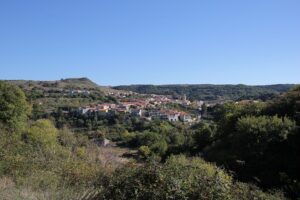
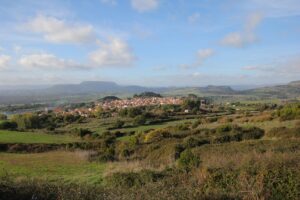
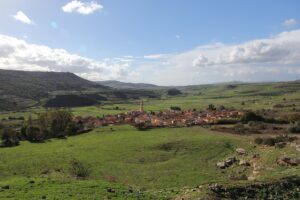
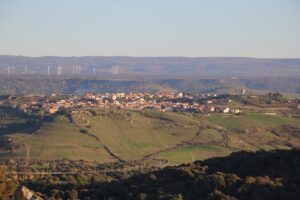
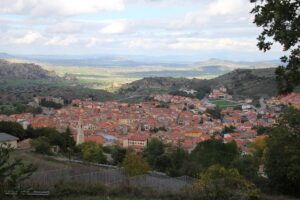
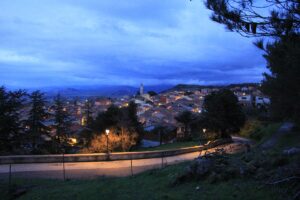
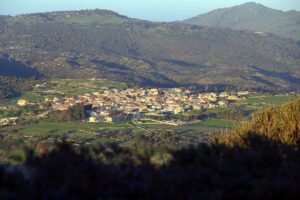
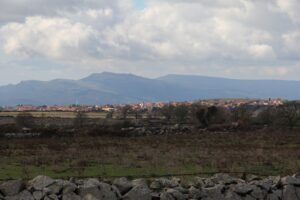
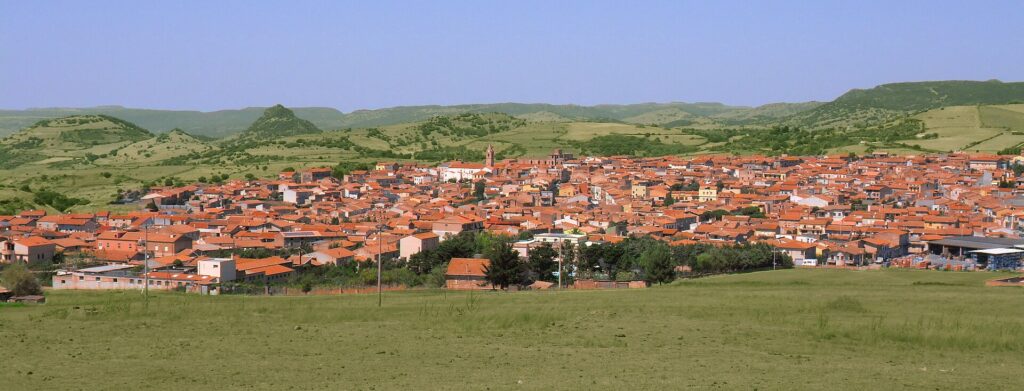
Pozzomaggiore is a village of about 2,300 people in the Meilogu, at around 400 metres among volcanic plateaus, cork woods and holm oaks bent by the mistral, some ten kilometres from the SS 131 highway. It is northern Sardinia's horse capital: home to the Ardia of San Costantino and a museum devoted entirely to horses. Gothic churches, nuraghi and rich cooking complete the picture.
What to see in Pozzomaggiore
Church of San Giorgio
The parish church, late Gothic from the mid-16th century, has a golden sandstone façade, five bays and a star-vaulted apse.
Horse Museum
In the former convent on piazza Convento, ten rooms tell the story of horses and of the ardie races, with tools, harness and costumes.
Other churches and the old centre
San Costantino, built in 1920–23 in neo-Romanesque-Byzantine style as a vow by First World War veterans, is the heart of the Ardia. Also worth seeing are 12th-century Santa Croce, the country church of Santa Maria delle Grazie with Gothic-Aragonese features, and 15th-century San Pietro. In the centre stand Palazzo Pinna Parpaglia, piazza Maggiore and the historic Funtana Manna fountain. There is also the house museum of Blessed Edvige Carboni, born here.
Archaeology
The area has around forty nuraghi, including Alvu with giants' tombs nearby, plus rock-cut tombs, dolmens and a menhir. Mycenaean pottery was found in the su Guanu cave. On the border with Sindia is the Roman bridge of Oinu, from the 3rd century AD.
Things to do in Pozzomaggiore
Horses take centre stage: rides on the plateau, the racecourse and the museum are the most authentic way to get the village. The volcanic landscape of Planu de Murtas, with Monte Rughe (665 m), and the Campeda plateaus are great for hiking and cycling. Take a look below at the experiences offered by Meilogu operators.
History
The Meilogu has been inhabited since the Neolithic. In the Middle Ages the village, then Pothumaiore, belonged to the Giudicato of Torres; it passed to the Doria and, after the Aragonese conquest, became a barony held by the Amat family until 1839. In 1795 it joined the anti-feudal uprisings linked to Giovanni Maria Angioy. According to La Marmora, the name recalls an ancient volcanic crater.
Food and souvenirs
The cooking is a treasure: culunzones de regottu (ricotta ravioli), sas laddittas (bread dumplings), pane 'uddiu (bread boiled with mutton), favata and lamb colditta. Traditional breads include fresa, similar to carasau; sweets include cogonelda with cracklings and raisins, casadinas and pabassinos. Locals weave wool and linen and make ceremonial breads.
Festivals and traditions
- Ardia of San Giorgio: late April, in piazza Maggiore.
- Ardia of San Costantino: 6–7 July, with about a hundred riders circling the church; repeated in late August.
- Cantos in carrela: September, traditional singing in the streets.
- Madonna della Salute: late September.
Nearby
- Padria: archaeological museum and Su Entale canyon.
- Mara and the sanctuary of Bonu Ighinu.
- Semestene and the Romanesque church of San Nicola di Trullas.
- Bonorva: the Sant'Andrea Priu necropolis.
- Bosa and the sea.
Getting there and when to go
Alghero airport is about an hour's drive; the SS 292 reaches the SS 131 in about 10 km. The nearest railway station is Bonorva. Come in July for the Ardia, in spring or autumn for walking.
FAQ
When is the Ardia of Pozzomaggiore?
The best known, for San Costantino, is traditionally held on 6 and 7 July.
How long do I need in Pozzomaggiore?
A day for churches, the Horse Museum and an outing nearby.
Is Pozzomaggiore good for families?
Yes: the Horse Museum and horse rides are a hit with kids.