Things to do in Assolo
Things to do in Assolo, Sardinia: courtyard houses, nuraghi, Sa Caddaia waterfall and the old paths up to the Giara plateau. Festivals and tips.
We are gathering the first experiences for this area. Check back soon, or tell us about an operator you know.
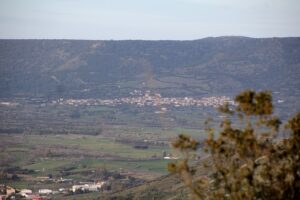
Assolo is a small village in the Marmilla, in the province of Oristano, sitting at about 300 metres on the slopes of the Giara plateau. Its historic centre of traditional courtyard houses feels frozen in the 19th century, while ancient woods, springs and some twenty-five nuraghi (Bronze Age stone towers) all around invite you to walk. Old stepped paths climb from the village up to the plateau of the wild ponies: the right place for hikers, families and anyone seeking the calm of inland Sardinia.
What to see in Assolo
Historic centre
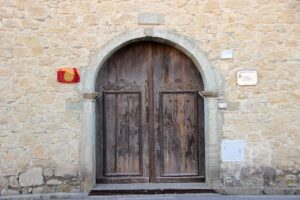
The traditional Campidanese courtyard houses keep their old doorways, inner courtyards and is lollas, the covered loggias where domestic life once happened. Strolling these lanes is the best way to understand the rural architecture of the Marmilla.
Churches of San Sebastiano and Santa Lucia
The parish church of San Sebastiano dates from the late 17th century. On the edge of the village stands the country church of Santa Lucia, near remains from the Roman era.
Nuraghi
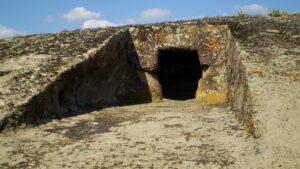
There are about 25 nuraghi in the area. In the valley around the village you will find San Pietro and Santa Lucia; others, such as Mammuzzola and Sassaioni, appear along the trails to the Giara.
Things to do in Assolo
The finest walk climbs to the Giara along the old stepped paths of Cabirada and Argiolas, through ancient holm and downy oaks and steep rock walls. At the top opens the plateau of the wild ponies, with cork oak woods and seasonal ponds. Another highlight is the Sa Caddaia waterfall, in a valley between the Giara and Giuerri hill, where village women once did their washing. Springs along the way make for pleasant breaks. Find guided walks and experiences from local operators just below.
History
The many nuraghi show that people lived here as early as the Bronze Age. In the Middle Ages Assolo belonged to the Judicate of Arborea. After 1410 it passed to the Aragonese, and from 1432 it was joined to the barony of Senis; in 1839, when feudalism was abolished, it bought its freedom from its last lords, the Nin Zatrillas.
Food and local products
The signature dish is fregula, Sardinia's small toasted pasta pearls, celebrated with a village food festival. Local cooking is classic Marmilla fare: rustic bread, sheep's cheeses, meats and traditional sweets.
Festivals and traditions
- 20 January: San Sebastiano, the patron saint, with bonfires, a procession, music and dancing in the square.
- Mid-May: Sant'Isidoro, with a parade of traccas, decorated ox carts.
- Mid-September: Santa Lucia, a country feast with horsemanship displays and traccas.
- Christmas season: a living nativity in the lanes of the old centre.
Nearby
- Nureci and Senis, neighbouring villages on the edge of the Giara.
- Genoni, with Santu Antine hill and the Pony Museum.
- Villa Sant'Antonio, with its menhirs and rock-cut tombs.
- Usellus and the church of Santa Reparata.
Getting there and when to go
Assolo is about an hour by car from Oristano and about an hour and a quarter from Cagliari's airport and ferry port, leaving the SS131 highway. Spring is the best time: the Giara is green, the ponds are full and the waterfall is flowing. Autumn is lovely too; in summer, walk in the cool hours.
FAQ
Can I walk up to the Giara from Assolo?
Yes, the old Cabirada and Argiolas paths lead to the plateau: wear proper shoes and expect a bit of effort.
How long do I need for Assolo?
Half a day for the village and the waterfall; a full day if you climb the Giara.
Is Assolo good for families?
Yes, the village is quiet and the shorter trails suit children too.