Things to do in Isili
Things to do in Isili, Sardinia: Is Paras nuraghe with the island's tallest tholos, copper museum, lake, rock climbing and the Trenino Verde.
We are gathering the first experiences for this area. Check back soon, or tell us about an operator you know.
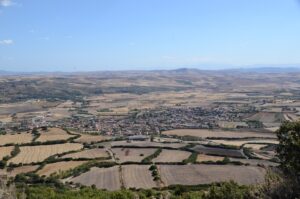
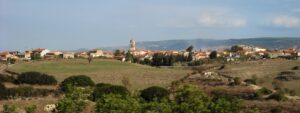
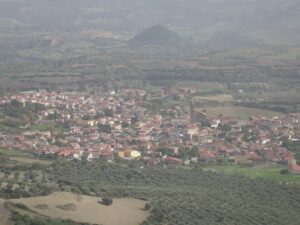
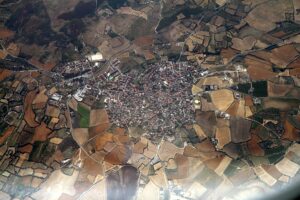
Isili is the main town of Sarcidano, home to about 2,400 people on a plateau above 500 metres, on the border between southern Sardinia and Barbagia, roughly an hour and ten minutes' drive from Cagliari. It guards one of the island's most spectacular nuraghi, Is Paras, and for centuries was Sardinia's copper-working capital. With a lake, climbing crags and the Trenino Verde, it's ideal if you're after archaeology, outdoor sport and crafts.
What to see in Isili
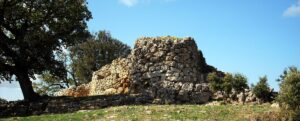
Nuraghe Is Paras
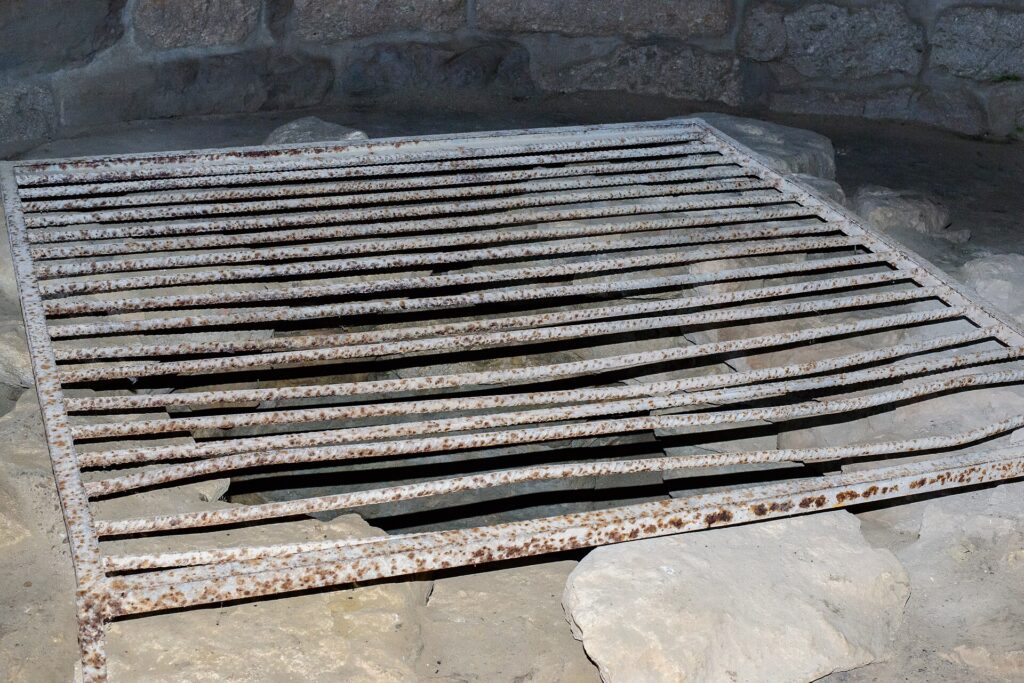
Built of white limestone blocks, Is Paras began around the 15th century BC as a single tower and was later enlarged with a three-tower bastion, a courtyard and an outer wall. Its inner chamber, roofed by a tholos (corbelled dome) 11.80 metres high, is the tallest in all Nuragic Sardinia – stepping inside is breathtaking. A well sits at the centre of the chamber.
Museum of Copper and Textile Art
The museum tells the story of the town's two great craft traditions: hammered copperware by Isili's coppersmiths, who even had their own secret jargon, and brightly coloured hand-woven rugs.
Churches
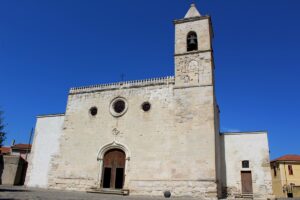
- San Giuseppe Calasanzio, built between 1661 and 1737 by the Piarist Fathers, who also ran a free school here; its façade has a wooden doorway with twisted columns.
- San Saturnino, the parish church dedicated to the patron saint.
- Sant'Antonio di Fadali, a 16th-century country church between Isili and Villanovatulo, restored and reopened in the late 1990s.
- San Sebastiano, standing on an islet in the middle of the lake.
Things to do in Isili
Lake Is Barroccus, created by a dam on the Mannu river, is perfect for canoeing, sport fishing, hiking and cycling. The limestone gorges around it are a climbing paradise: the Rio Corrigas area has more than 300 bolted routes, from easy to extreme, and draws climbers from all over Europe. A stretch of the old railway towards Barumini has become a scenic cycle path, and in summer you can ride the Trenino Verde, the heritage train that has one of its stations in Isili. Scroll down to discover the experiences offered by local operators.
History
Inhabited since the Neolithic, the area saw the Nuragic civilisation flourish and passed to Rome in the 2nd century BC. In the Middle Ages Isili was part of the Judicate of Cagliari, in the Siurgus district; then came Pisa (1258) and the Aragonese (1324), who granted it as a fief and later joined it to the marquisate – later duchy – of Mandas. Freed from feudal rule in 1839, it was for a few decades of the 19th century a provincial capital.
What to eat and buy
The famous Isili tomatoes are prized across the island, and the plain grows cereals and fodder. The most authentic souvenir is a piece of handmade copperware or a traditionally woven rug.
Festivals and traditions
- Sant'Antonio Abate, 17 January, with big bonfires.
- Sant'Isidoro, in mid-May.
- Sant'Antonio di Fadali, 13 June.
- San Giovanni Battista, 24 June, with a parade of traditional costumes from all over Sardinia.
- San Giuseppe Calasanzio, in late August, and San Saturnino, the patron saint, on 30 October.
Nearby
- Serri: the Nuragic sanctuary of Santa Vittoria.
- Nurallao: the Aiodda giants' tomb.
- Nuragus: the Coni sacred well and the Santu Millanu nuraghe.
- Barumini: Su Nuraxi, a UNESCO World Heritage Site, about half an hour away.
Getting there and when to go
From Cagliari take the SS 131 and then the SS 128 towards Sarcidano: Cagliari airport and port are about an hour and ten minutes away. Oristano is about an hour's drive. Spring and autumn are the best seasons for climbing and hiking; summer is Trenino Verde time, though midday is hot.
Frequently asked questions
How much time do I need for Isili?
Half a day for Is Paras, the museum and the centre; a full day if you add the lake, climbing or the train.
Why is Nuraghe Is Paras famous?
For its tholos almost 12 metres high – the tallest among Sardinia's nuraghi – and for the white limestone it's built from.