Things to do in Baressa
Things to do in Baressa, Sardinia's almond village: San Giorgio church, a house museum, the Marrogali olive park, almond sweets and festival.
We are gathering the first experiences for this area. Check back soon, or tell us about an operator you know.
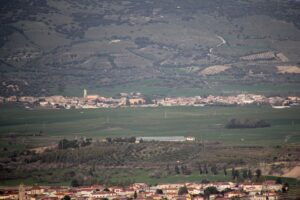
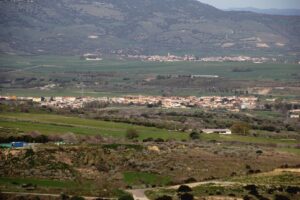
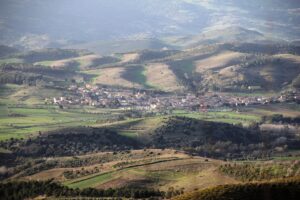
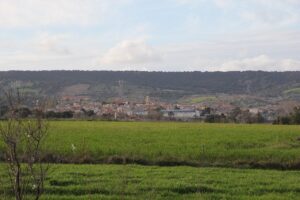
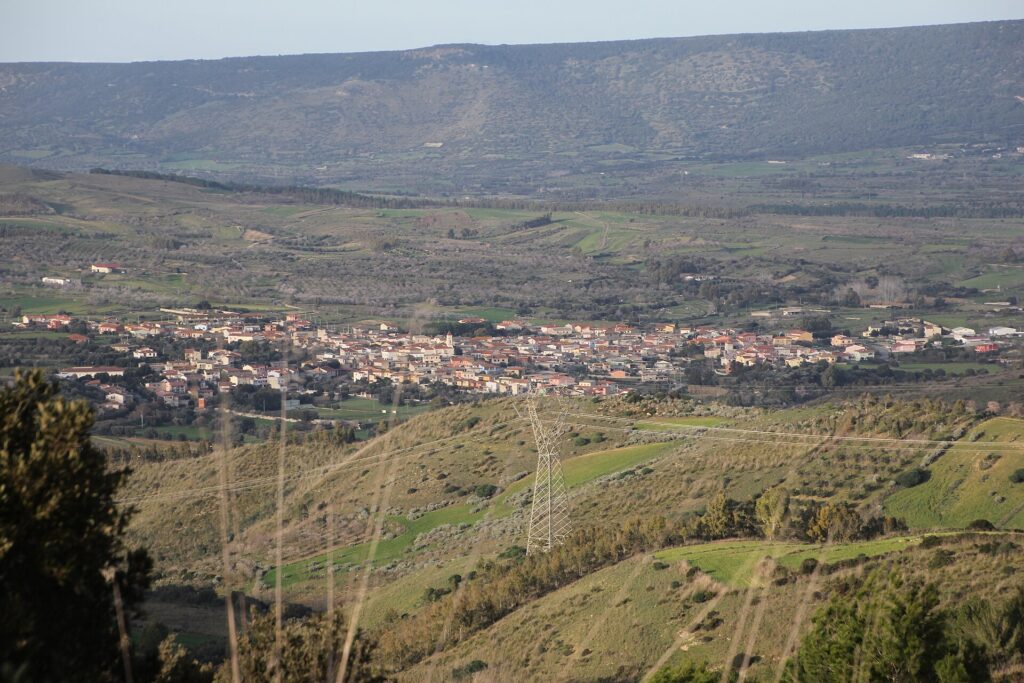
Baressa is a village of around five hundred people in Alta Marmilla, province of Oristano, between Monte Arci and Monte Grighine. This is almond country: at the end of winter the surrounding hills turn white and pink with blossom, a sight worth the trip on its own. Quiet and authentic, it suits travellers looking for nature, farming traditions and almond sweets.
What to see in Baressa
Church of San Giorgio
The parish church was built around 1600 on top of an older one. It has a barrel-vaulted nave, four side chapels, a high altar in multicoloured marble and a bell tower whose spire is clad in red tiles. It houses a statue of the Madonna much loved by locals.
House museum
In the old centre, a late-19th-century home recreates rural life: the animal stall, mill, hearth, bedroom, pantry, granary and the loom room, s'omu de su trobaxiu. Ploughs, a press and a millstone stand in the courtyard.
Santa Maria di Atzeni
A small country chapel recalls the medieval village of Atzeni, built on a Punic-Roman settlement. The area also has the Molas, Monte Majore and Su Sensu nuraghi and several Roman sites.
Things to do in Baressa
About 1 km from the village, Parco Marrogali is a wood of holm and downy oaks covering some three hectares, with more than a thousand centuries-old olive trees – perfect for a shady walk. Country lanes through almond orchards, vineyards and olive groves are ideal on foot or by bike, especially during the blossom. Monte Arci and the Giara plateau are both within easy reach. Scroll down for the experiences offered by local operators.
History
The nuraghi show the area was settled in the Bronze Age, and many sites point to a Roman presence. In the Middle Ages Baressa belonged to the Judicate of Arborea; after its fall the village passed to the Aragonese as part of the Carroz fief and, from 1603, to the marquisate of Quirra, until it bought its freedom in 1839. In 1927 neighbouring Baradili was merged into it, later regaining its independence.
What to eat and buy
Almonds star in traditional sweets such as amaretti, gueffus and gateau, a brittle of almonds and caramelised sugar. Wine, olive oil and pan'e sapa, a sweet bread made with cooked grape must, are also produced. Look out for scatteddus, baskets woven from cane and wild olive.
Festivals and traditions
The highlight of the year is the Almond Festival, between late August and early September, with a market of local produce and crafts, cooking demonstrations and tastings of traditional breads and sweets.
Nearby
- Baradili, about 2 km away: Sardinia's smallest municipality.
- Siddi: the Sa Dom'e s'Orku giants' tomb, the ornithological museum and the Giara di Siddi.
- Ussaramanna, with the San Pietro nuraghe.
- Barumini and Su Nuraxi, a UNESCO World Heritage Site, about 20 minutes away.
Getting there and when to go
Leave the SS 131 Carlo Felice at Uras and head inland via Mogoro, or arrive from Villamar and Lunamatrona. Cagliari airport and port are about an hour and a quarter by car. The loveliest time is late winter, when the almonds bloom; spring and early September, with the festival, are great too.
Frequently asked questions
When do the almond trees blossom in Baressa?
Usually between late January and February, depending on the winter.
How much time do I need for Baressa?
Half a day for the village, house museum and Parco Marrogali; add Baradili and Barumini for a full day.
Is Baressa good for families?
Yes: the park with its ancient olive trees and the house museum are perfect for kids.