Things to do in Sini
Things to do in Sini, Marmilla: Cracchera park and its ancient olive tree, seven nuraghi, the Giara wild horses and the pani 'e saba festival.
We are gathering the first experiences for this area. Check back soon, or tell us about an operator you know.
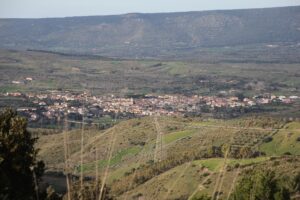
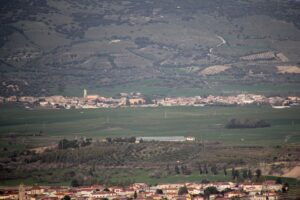
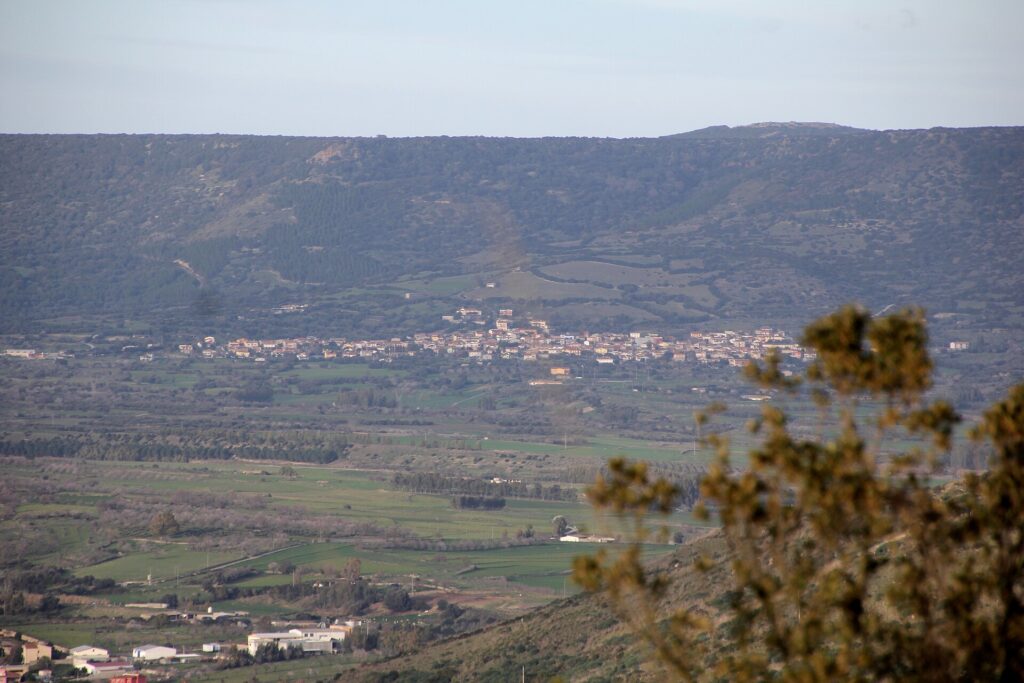
Sini is a Marmilla village of about five hundred people at the foot of the Giara plateau, surrounded by almond groves, vineyards, ancient olive trees and wheat fields. Across Sardinia it's known for su pani 'e saba, a sweet made with grape must syrup and dried fruit, celebrated with a popular festival. Stop for the Cracchera park and its thousand-year-old olive tree, for the nuraghi and for hikes on the plateau of the wild horses. Great for families, walkers and anyone with a sweet tooth.
What to see in Sini
Cracchera park
A green area on the edge of the village, home to a thousand-year-old olive tree and, when the stream is in spate, the su Strumpu waterfall. Perfect for a shady walk or a picnic.
The churches
The parish church is dedicated to Santa Chiara d'Assisi. In the village you'll also find the old chapel of San Giorgio, the saint who appears on the coat of arms on horseback slaying the dragon, beside an ancient olive tree.
The nuraghi
The area has seven nuraghi (Bronze Age stone towers): Bruncu Suergiu, Bruncu su Sensu, Buccascala, Perdosu, Scala 'e Brebeis, Sedda and Siorus. Bruncu Suergiu stands on the Giara, on the border with Genoni, next to the remains of a Punic-Roman settlement. Tombs, pottery and Roman coins have turned up across the territory.
Things to do in Sini
The Giara is right on your doorstep: a volcanic basalt plateau with cork oak woods, seasonal ponds and the famous wild horses, unique in Europe. Explore it on foot, by mountain bike or on horseback, ideally with an experienced guide. The hills around the village, among olive and almond trees, are lovely to cycle, especially in spring. Check out the hikes and activities offered by local operators, just below.
History
The name is thought to come from the Latin sinus, inlet. The area was inhabited in the Nuragic age and later by Punics and Romans. In the Middle Ages Sini belonged to the Giudicato of Arborea (one of Sardinia's medieval kingdoms); after 1410 it passed to the Aragonese and several feudal families, until it was bought back in 1839 and became a municipality.
Food and local products
Su pani 'e saba is the village's symbol: a dark, fragrant cake made with sapa (cooked grape must), almonds and raisins. The area also produces olive oil, almonds and wine, plus cheeses from local farms.
Festivals and traditions
- Late April: the feast of San Giorgio and the pani 'e saba festival, with music, folk groups, craft displays and thousands of visitors.
- Mid-August: the feast of Santa Chiara, to whom the parish church is dedicated.
Nearby
- Giara di Gesturi: wild horses and ponds.
- Genuri: the San Marco nuraghe.
- Gonnosnò: the San Salvatore sacred well.
- Tuili: Villa Asquer and the church of San Pietro.
- Barumini: Su Nuraxi, a UNESCO site, about 20 minutes away.
Getting there and when to go
Cagliari-Elmas airport is about an hour and a quarter away: SS131 to Sanluri, then towards Barumini and Tuili. From Oristano it takes about an hour. Spring is ideal, with the Giara in bloom and the late-April festival; autumn is also pleasant for walking.
FAQ
When is the pani 'e saba festival?
Traditionally in late April, together with the feast of San Giorgio.
How long do I need for Sini?
A couple of hours for the village and Cracchera park; a full day with a hike on the Giara.
Is Sini good for families?
Yes: the park is ideal for children and the Giara horses are an unforgettable experience.